pattern

Goethe-Zertifikat A1 - Pronouns and Articles

Learn basic German pronouns and articles for simple sentences and everyday situations, and strengthen essential structures needed for the Goethe-Zertifikat A1.

Review

Flashcards

Spelling

Quiz

Start learning
Goethe-Zertifikat A1
ich
ich
[pronoun]

Das persönliche Pronomen für die erste Person Singular

I (personal pronoun)

I (personal pronoun)

Ex: Ich liebe Musik. 

I love music.

Close
Sign in
du
du
[pronoun]

Das persönliche Pronomen für die zweite Person Singular

you (personal pronoun)

you (personal pronoun)

Ex: Hast du Zeit heute? 

Do you have time today?

Close
Sign in
dich
dich
[pronoun]

Ein Akkusativpronomen der zweiten Person Singular, das als direktes Objekt im Satz verwendet wird

you

you

Ex: Er sieht dich. 

He sees you.

Close
Sign in
dir
dir
[pronoun]

Ein Pronomen für "du" im Dativ

you

you

Ex: Kann ich dir helfen? 

Can I help you?

Close
Sign in
er
er
[pronoun]

Das persönliche Pronomen für die dritte Person Singular (männlich)

he (personal pronoun)

he (personal pronoun)

Ex: Er ist sehr freundlich. 

He is very friendly.

Close
Sign in
sie
sie
[pronoun]

Das persönliche Pronomen für die dritte Person Singular (weiblich)

she (personal pronoun)

she (personal pronoun)

Ex: Sie spielt Klavier. 

She plays the piano.

Close
Sign in
es
es
[pronoun]

Das persönliche Pronomen für die dritte Person Singular (neutral)

it (personal pronoun)

it (personal pronoun)

Ex: Er hat es gekauft. 

He bought it.

Close
Sign in
wir
wir
[pronoun]

Das persönliche Pronomen für die erste Person Plural

we (personal pronoun)

we (personal pronoun)

Ex: Wir lernen zusammen Deutsch. 

We are learning German together.

Close
Sign in
ihr
ihr
[pronoun]

Das persönliche Pronomen für die zweite Person Plural

you (plural)

you (plural)

Ex: Ihr habt Hunger. 

You are hungry.

Close
Sign in
ihm
ihm
[pronoun]

Ein Personalpronomen im Dativ, das sich auf eine männliche oder neutrale Person oder Sache bezieht

him

him

Ex: Das gehört ihm. 

That belongs to him.

Close
Sign in
ihn
ihn
[pronoun]

Ein Akkusativpronomen der dritten Person Singular

him

him

Ex: Kennst du ihn? 

Do you know him?

Close
Sign in
sie
sie
[pronoun]

Das persönliche Pronomen für die dritte Person Plural

they (personal pronoun)

they (personal pronoun)

Ex: Sie spielen Fußball. 

They play soccer.

Close
Sign in
mein
mein
[pronoun]

Ein Pronomen, das ein vorher genanntes Nomen ersetzt, das zur sprechenden Person gehört

mine

mine

Ex: Ich sehe dein Auto, aber wo ist mein? 

I see your car, but where is mine?

Close
Sign in
dein
dein
[pronoun]

Ein Possessivpronomen der zweiten Person Singular, das ein Nomen ersetzt und Besitz ausdrückt

yours

yours

Ex: Meine Tasche ist rot.  Deine ist blau. 

My bag is red. Yours is blue.

Close
Sign in
sein
sein
[pronoun]

ersetzt ein Nomen und zeigt Besitz an

his, its

his, its

Ex: Der Fehler war seiner. 

The mistake was his.

Close
Sign in
euer
euer
[pronoun]

Ein Possessivpronomen der zweiten Person Plural, das ein Nomen ersetzt und Besitz ausdrückt

yours

yours

Ex: Ist das euer Ball?  Ja, er ist unserer. 

Is that your ball? Yes, it's ours.

Close
Sign in
der
der
[determiner]

Ein bestimmter Artikel für männliche Nomen

the (for masculine nouns)

the (for masculine nouns)

Ex: Der Hund bellt laut. 

The dog barks loudly.

Close
Sign in
die
die
[determiner]

Ein bestimmter Artikel für feminine Nomen im Singular und alle Nomen im Plural

the (for feminine singular and all plural nouns)

the (for feminine singular and all plural nouns)

Ex: Die Blume ist schön. 

The flower is beautiful.

Close
Sign in
das
das
[determiner]

Ein bestimmter Artikel für neutrale Nomen im Singular

the (for neuter nouns)

the (for neuter nouns)

Ex: Das Auto ist blau. 

The car is blue.

Close
Sign in
ein
ein
[determiner]

Ein unbestimmter Artikel für alle Geschlechter

a / an

a / an

Ex: Ich habe ein Buch gelesen. 

I read a book.

Close
Sign in
kein
kein
[determiner]

Ein Wort, das verneint, dass etwas existiert oder zutrifft

no, any

no, any

Ex: Sie trinkt keinen Kaffee. 

She doesn't drink coffee.

Close
Sign in
dies
dies
[determiner]

Ein Wort, das auf etwas Nahes oder bereits Bekanntes hinweist

this, these

this, these

Ex: Dies Problem ist nicht einfach zu lösen. 

This problem is not easy to solve.

Close
Sign in
anderer
anderer
[pronoun]

bezeichnet eine weitere Person oder Sache, die nicht dieselbe ist wie die bereits genannte

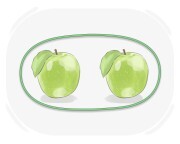
other, another, different

other, another, different

Ex: Ich habe heute keine Zeit, aber an einem anderen Tag gern. 

I don't have time today, but gladly on another day.
Close
Sign in
beide
beide
[determiner]

Ein Indefinitartikel, der sich auf zwei Elemente oder Personen gleichzeitig bezieht

both

both

Ex: Ich habe beide Hände voll. 

I have both hands full.

Close
Sign in
wer
wer
[pronoun]

Ein Fragepronomen für Personen

who

who

Ex: Wer hat mein Buch genommen? 

Who took my book?

Close
Sign in
welcher
welcher
[Adverb]

Wird verwendet, um nach einer bestimmten Auswahl aus mehreren Möglichkeiten zu fragen

which

which

Ex: In welchem Haus wohnst du? 

Which house do you live in?

Close
Sign in
jede
jede
[pronoun]

bezeichnet alle einzelnen Personen oder Dinge einer Gruppe

every, each

every, each

Ex: Jede Frage ist wichtig. 

Every question is important.

Close
Sign in
LanGeek
Download LanGeek app