
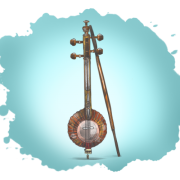

Bowed String Instruments
Violin - Musical Instruments
 intermediate
Explore how bowed string instruments, such as the violin, viola, and cello, produce sound through bowing techniques while enhancing your English skills.
1
kapitola

The Violin: A Timeless Instrument
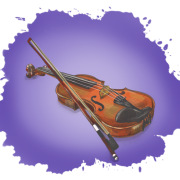
Housle jsou jedním z nejvýraznějších a nejuniverzálnějších nástrojů na světě, známé svou schopností vyvolat širokou škálu emocí. Od velkých koncertních sálů klasické hudby po živé melodie lidových a moderních žánrů, bohatý, rezonující zvuk houslí fascinoval publikum po staletí. Jejich historie je hluboce propojena s vývojem samotné hudby a jejich design a řemeslné zpracování byly zdokonalovány po generace.


The History of the Violin
Housle byly poprvé vytvořeny v 16. století v severní Itálii. Mnoho historiků věří, že housle se vyvinuly ze starších strunných nástrojů, jako jsou středověké fidle a rebec. Jedním z prvních výrobců houslí byl muž jménem "Andrea Amati". Často je nazýván "otcem moderních houslí", protože vytvořil první nástroje, které vypadají a zní jako housle, které známe dnes.
Zajímavé je, že housle se vždy nejmenovaly tímto jménem. V prvních letech byly označovány různými názvy v závislosti na regionu, jako "violino" v italštině, což znamená "malá viola". Časem se název "housle" stal standardním termínem v mnoha jazycích.
Housle se rychle staly populárními po celé Evropě díky své všestrannosti. Mohly být použity k hraní jak živé taneční hudby, tak pomalých, emocionálních melodií. Do 18. století slavní skladatelé jako "Antonio Vivaldi" a "Johann Sebastian Bach" psali krásnou hudbu pro housle. To pomohlo nástroji získat ještě větší popularitu.
How a Violin is Made
Výroba houslí je velmi delikátní proces. Je to umění, které se předává z generace na generaci. Housle jsou obvykle vyrobeny ze dřeva, jako je smrk a javor. Vrchní část houslí se nazývá deska a je vyrobena ze smrku, protože toto dřevo produkuje jasný a jasný zvuk. Zadní a boční části jsou vyrobeny z javoru, což houslím dodává jejich teplý tón.
Výrobce, který se nazývá luthier, pečlivě vyřezává dřevo, aby vytvořil dokonalý tvar. Housle musí být silné, ale také lehké, aby mohly produkovat krásné zvuky. Jakmile je tělo hotové, luthier přidá struny, hmatník a smyčec. Struny jsou vyrobeny z oceli nebo syntetických materiálů, ale v minulosti byly vyrobeny z ovčích střev!
Jednou ze zajímavých vlastností houslí je duše. Jde o malý dřevěný kolík uvnitř nástroje, který pomáhá přenášet vibrace strun na tělo. Bez duše by housle nevydávaly svůj bohatý a zvučný tón.
The Role of the Violin in Music
Housle jsou známé svou univerzálností. Mohou být hrány v mnoha různých stylech hudby, od klasiky přes folk až po jazz. V orchestru housle často hrají melodii díky svému jasnému a výraznému zvuku. Skupina houslí v orchestru se nazývá sekce. Společně vytvářejí silný a harmonický zvuk.
V lidové hudbě se housle někdy nazývají fiddle. Hráči na fiddle používají stejný nástroj jako klasicí houslisté, ale hrají uvolněnějším stylem. Například často při hraní dupou nohama, aby udrželi rytmus. Housle se také používají v moderních hudebních žánrech, jako je rock a pop. Slavní hudebníci jako "Lindsey Stirling" ukázali, že housle mohou být stejně vzrušující jako elektrická kytara.
Learning to Play the Violin
Učit se hrát na housle není snadné, ale může to být velmi odměňující. Začátečníci obvykle začínají jednoduchými cvičeními, aby se naučili správně držet nástroj a smyčec. Postupem času cvičí stupnice a písně, aby zlepšili svou techniku. Aby se člověk stal zručným v hraní na housle, je zapotřebí mnoho hodin cvičení.
Jednou z výzev pro nové hráče na housle je naučit se vytvářet čistý zvuk. Smyčec musí hladce klouzat po strunách a prsty musí stlačovat struny s patřičným tlakem. Často se říká, že hra na housle je jako chůze po laně. Nicméně, jakmile hráč tyto dovednosti zvládne, může vytvořit hudbu, která se dotkne srdce.
Famous Violinists
V průběhu historie bylo mnoho slavných houslistů, kteří ohromili publikum svým talentem. Jedním z nejznámějších houslistů všech dob je "Niccolò Paganini". Narodil se v Itálii v roce 1782 a byl známý svou neuvěřitelnou rychlostí a technickou dovedností. Lidé často říkali, že jeho hra byla tak výjimečná, že se zdála téměř magická.


Dalším slavným houslistou je "Itzhak Perlman", který je obdivován pro svůj teplý tón a výraznou hru. Vystupoval s některými z nejlepších orchestrů na světě a inspiroval mnoho mladých hudebníků k učení se na housle. "Midori Goto" je další známá houslistka. Začala profesionálně vystupovat, když jí bylo pouhých 11 let, a stále udivuje publikum svým talentem.
Fun Fact: The Most Expensive Violin in the World
Věděli jste, že nejdražší prodané housle se jmenovaly «Vieuxtemps Guarneri del Gesù»? Byly vyrobeny v roce 1741 «Giuseppe Guarnerim», jedním z největších houslařů v historii. Tyto housle byly prodány za ohromujících 16 milionů dolarů! Co je dělá tak výjimečnými? Není to jen stáří houslí, ale také kvalita jejich zvuku. Mnozí odborníci se domnívají, že žádný moderní nástroj se nemůže vyrovnat jejich bohatému a silnému tónu. Housle jsou tak cenné, že jsou často půjčovány profesionálním hudebníkům, kteří se velmi starají o zachování jejich stavu.
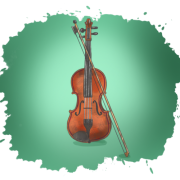
1. Violin
Bowed String Instruments
100%
What is the main reason the violin became popular across Europe?
It was easy to learn.
It was cheap to make.
It was versatile and could be used for different styles of music.
It was louder than other instruments.
Arrange the steps of making a violin in the correct order:
Match each person with their contribution to the violin world:
Complete the sentences about violin materials.
Violins are usually made from different types of wood. The
is used for the top because it produces a clear sound. The back and sides are made from
to give the violin its warm tone. In the past, violin strings were made from
, but today they are made from steel or synthetic materials.
Complete the missing information about the violin’s role in music.
| Music Style | Violin's Role |
|---|---|
Classical | Often plays the in orchestras |
Folk | Called a , played in a casual style |
Modern | Used in and pop music (e.g., Lindsey Stirling) |
Which statement is TRUE?
The violin was invented in Germany.
Learning the violin is easy.
The violin is only used in classical music.
The violin is used in many different music styles.
Which statement is FALSE?
The most expensive violin ever sold was the Vieuxtemps Guarneri del Gesù.
Violins are always made from plastic.
Andrea Amati was an early violin maker.
Violins were once called "violino" in Italian.