
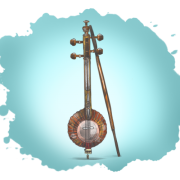

Bowed String Instruments
Violin - Musical Instruments
 intermediate
Explore how bowed string instruments, such as the violin, viola, and cello, produce sound through bowing techniques while enhancing your English skills.
1
Kapitel

The Violin: A Timeless Instrument
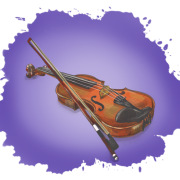
Die Geige ist eines der ausdrucksstärksten und vielseitigsten Instrumente der Welt, bekannt für ihre Fähigkeit, eine breite Palette von Emotionen hervorzurufen. Von den großen Konzertsälen der klassischen Musik bis hin zu den lebhaften Melodien der Volks- und modernen Genres hat der reiche, resonante Klang der Geige das Publikum seit Jahrhunderten fasziniert. Ihre Geschichte ist eng mit der Entwicklung der Musik selbst verbunden, und ihr Design und ihre Handwerkskunst wurden über Generationen hinweg perfektioniert.


The History of the Violin
Die Violine wurde erstmals im 16. Jahrhundert in Norditalien hergestellt. Viele Historiker glauben, dass die Violine sich aus älteren Saiteninstrumenten wie der mittelalterlichen Fiedel und der Rebec entwickelt hat. Einer der ersten Geigenbauer war ein Mann namens "Andrea Amati". Er wird oft als "Vater der modernen Violine" bezeichnet, weil er die ersten Instrumente schuf, die so aussehen und klingen wie die Violinen, die wir heute kennen.
Interessanterweise wurde die Geige nicht immer so genannt. In ihren frühen Jahren wurde sie je nach Region mit unterschiedlichen Namen bezeichnet, wie zum Beispiel "violino" auf Italienisch, was "kleine Viola" bedeutet. Im Laufe der Zeit wurde der Name "Geige" in vielen Sprachen zum Standardbegriff.
Die Geige wurde aufgrund ihrer Vielseitigkeit schnell in ganz Europa populär. Sie konnte sowohl lebhafte Tanzmusik als auch langsame, emotionale Melodien spielen. Bis zum 18. Jahrhundert schrieben berühmte Komponisten wie "Antonio Vivaldi" und "Johann Sebastian Bach" wunderschöne Musik für die Geige. Dies half dem Instrument, noch mehr Popularität zu erlangen.
How a Violin is Made
Eine Geige herzustellen ist ein sehr delikater Prozess. Es ist eine Kunst, die von Generation zu Generation weitergegeben wurde. Geigen werden normalerweise aus Holz hergestellt, wie Fichte und Ahorn. Die Oberseite der Geige wird als Decke bezeichnet und besteht aus Fichte, weil dieses Holz einen klaren und hellen Klang erzeugt. Der Rücken und die Seiten sind aus Ahorn, was der Geige ihren warmen Ton verleiht.
Der Hersteller, der als Geigenbauer bezeichnet wird, schnitzt das Holz sorgfältig, um die perfekte Form zu schaffen. Die Geige muss stark, aber auch leicht sein, damit sie schöne Klänge erzeugen kann. Sobald der Körper fertig ist, fügt der Geigenbauer die Saiten, das Griffbrett und den Bogen hinzu. Die Saiten bestehen aus Stahl oder synthetischen Materialien, aber in der Vergangenheit waren sie aus Schafsdarm!
Ein interessantes Merkmal der Geige ist der Stimmstock. Dies ist ein kleiner Holzstab im Inneren des Instruments, der hilft, die Schwingungen der Saiten auf den Körper zu übertragen. Ohne den Stimmstock würde die Geige nicht ihren vollen und resonanten Ton erzeugen.
The Role of the Violin in Music
Die Geige ist bekannt für ihre Vielseitigkeit. Sie kann in vielen verschiedenen Musikstilen gespielt werden, von klassisch über Folk bis hin zu Jazz. In einem Orchester spielt die Geige oft die Melodie wegen ihres hellen und ausdrucksstarken Klangs. Eine Gruppe von Geigen in einem Orchester wird als Satz bezeichnet. Zusammen erzeugen sie einen kraftvollen und harmonischen Klang.
In der Volksmusik wird die Geige manchmal als Fiddle bezeichnet. Fiddle-Spieler verwenden dasselbe Instrument wie klassische Geiger, aber sie spielen in einem lässigeren Stil. Zum Beispiel stampfen sie oft mit den Füßen, während sie spielen, um den Rhythmus zu halten. Die Geige wird auch in modernen Musikgenres wie Rock und Pop verwendet. Berühmte Musiker wie "Lindsey Stirling" haben gezeigt, dass die Geige genauso aufregend sein kann wie eine E-Gitarre.
Learning to Play the Violin
Das Erlernen des Geigenspiels ist nicht einfach, kann aber sehr lohnend sein. Anfänger beginnen normalerweise mit einfachen Übungen, um zu lernen, wie man das Instrument und den Bogen richtig hält. Mit der Zeit üben sie Tonleitern und Lieder, um ihre Technik zu verbessern. Es braucht viele Stunden Übung, um geübt im Geigenspiel zu werden.
Eine Herausforderung für neue Geigenspieler ist es, einen sauberen Klang zu erzeugen. Der Bogen muss sanft über die Saiten gleiten, und die Finger müssen mit dem richtigen Druck auf die Saiten drücken. Oft wird gesagt, dass Geige spielen wie das Gehen auf einem Seil ist. Sobald ein Spieler diese Fähigkeiten jedoch beherrscht, kann er Musik erschaffen, die das Herz berührt.
Famous Violinists
Im Laufe der Geschichte gab es viele berühmte Geiger, die das Publikum mit ihrem Talent verblüfft haben. Einer der bekanntesten Geiger aller Zeiten ist "Niccolò Paganini". Er wurde 1782 in Italien geboren und war für seine unglaubliche Geschwindigkeit und technische Fertigkeit bekannt. Die Leute sagten oft, dass sein Spiel so außergewöhnlich war, dass es fast magisch schien.


Ein weiterer berühmter Geiger ist "Itzhak Perlman", der für seinen warmen Ton und sein ausdrucksstarkes Spiel bewundert wird. Er hat mit einigen der besten Orchester der Welt gespielt und viele junge Musiker dazu inspiriert, Geige zu lernen. "Midori Goto" ist eine weitere bekannte Geigerin. Sie begann im Alter von nur 11 Jahren professionell aufzutreten und begeistert das Publikum weiterhin mit ihrem Talent.
Fun Fact: The Most Expensive Violin in the World
Wussten Sie, dass die teuerste jemals verkaufte Violine «Vieuxtemps Guarneri del Gesù» hieß? Sie wurde 1741 von «Giuseppe Guarneri», einem der größten Geigenbauer der Geschichte, hergestellt. Diese Geige wurde für unglaubliche 16 Millionen Dollar verkauft! Was macht sie so besonders? Es ist nicht nur das Alter der Geige, sondern auch ihre Klangqualität. Viele Experten glauben, dass kein modernes Instrument ihren reichen und kraftvollen Ton erreichen kann. Die Geige ist so wertvoll, dass sie oft an professionelle Musiker ausgeliehen wird, die große Sorgfalt darauf verwenden, ihren Zustand zu bewahren.
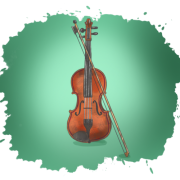
1. Violin
Bowed String Instruments
100%
What is the main reason the violin became popular across Europe?
It was easy to learn.
It was cheap to make.
It was versatile and could be used for different styles of music.
It was louder than other instruments.
Arrange the steps of making a violin in the correct order:
Match each person with their contribution to the violin world:
Complete the sentences about violin materials.
Violins are usually made from different types of wood. The
is used for the top because it produces a clear sound. The back and sides are made from
to give the violin its warm tone. In the past, violin strings were made from
, but today they are made from steel or synthetic materials.
Complete the missing information about the violin’s role in music.
| Music Style | Violin's Role |
|---|---|
Classical | Often plays the in orchestras |
Folk | Called a , played in a casual style |
Modern | Used in and pop music (e.g., Lindsey Stirling) |
Which statement is TRUE?
The violin was invented in Germany.
Learning the violin is easy.
The violin is only used in classical music.
The violin is used in many different music styles.
Which statement is FALSE?
The most expensive violin ever sold was the Vieuxtemps Guarneri del Gesù.
Violins are always made from plastic.
Andrea Amati was an early violin maker.
Violins were once called "violino" in Italian.