Food Industry
Chef - Jobs
 intermediate
Boost your English while exploring how the food industry grows, prepares, and innovates to feed people around the world.
1
capítulo

Chef
Read a passage about crafting dishes and managing kitchens to discover the creativity and skill behind preparing exceptional meals.
The Role of a Chef
The Role of a Chef
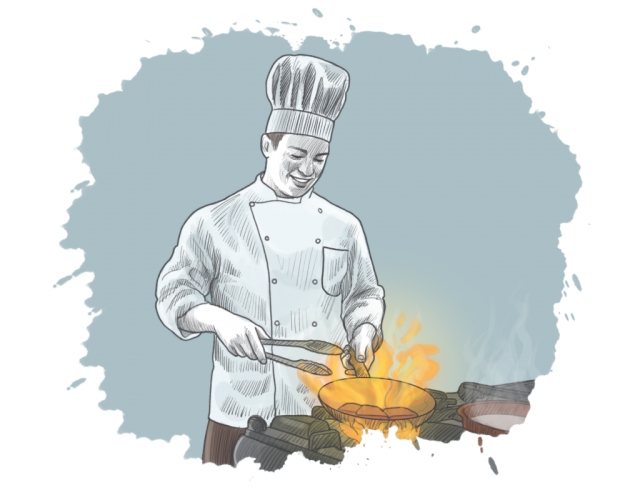
A chef is a skilled professional who works in the kitchen to create delicious meals. This job is not just about cooking; it is also about managing the kitchen, planning menus, and making sure every dish is perfect. Chefs work in restaurants, hotels, catering companies, and even private homes. Their job requires creativity, organization, and a love for food.
Un chef es un profesional capacitado que trabaja en la cocina para crear comidas deliciosas. Este trabajo no solo consiste en cocinar; también se trata de gestionar la cocina, planificar menús y asegurarse de que cada plato sea perfecto. Los chefs trabajan en restaurantes, hoteles, empresas de catering e incluso en hogares privados. Su trabajo requiere creatividad, organización y amor por la comida.
Being a chef is often described as working in the heart of the restaurant. The kitchen can be a busy place, and a chef must stay calm under pressure. Timing is everything because meals need to be served hot and fresh. Chefs also need to work well with their team, including cooks and assistants. Everyone in the kitchen plays an important role in delivering excellent meals to customers.
Ser un chef a menudo se describe como trabajar en el corazón del restaurante. La cocina puede ser un lugar ocupado, y un chef debe mantenerse tranquilo bajo presión. El tiempo lo es todo porque las comidas deben servirse calientes y frescas. Los chefs también necesitan trabajar bien con su equipo, incluidos cocineros y asistentes. Todos en la cocina juegan un papel importante en la entrega de excelentes comidas a los clientes.
The Journey to Becoming a Chef
The Journey to Becoming a Chef
Becoming a chef takes time, effort, and dedication. Most chefs start their journey by learning basic cooking skills. Some go to culinary schools where they study cooking techniques, food safety, and nutrition. Others begin as kitchen assistants and learn on the job. Either way, practice is essential for mastering the art of cooking.
Convertirse en chef requiere tiempo, esfuerzo y dedicación. La mayoría de los chefs comienzan su viaje aprendiendo habilidades básicas de cocina. Algunos van a escuelas culinarias donde estudian técnicas de cocina, seguridad alimentaria y nutrición. Otros comienzan como asistentes de cocina y aprenden en el trabajo. De cualquier manera, la práctica es esencial para dominar el arte de la cocina.
Experience is one of the best teachers for a chef. Many chefs work in different kitchens to gain knowledge about various types of food. For example, a chef might work in an Italian restaurant to learn how to make pasta or in a Japanese restaurant to learn about sushi. This experience helps chefs develop their own unique style of cooking.
La experiencia es uno de los mejores maestros para un chef. Muchos chefs trabajan en diferentes cocinas para adquirir conocimientos sobre varios tipos de comida. Por ejemplo, un chef podría trabajar en un restaurante italiano para aprender a hacer pasta o en un restaurante japonés para aprender sobre sushi. Esta experiencia ayuda a los chefs a desarrollar su propio estilo único de cocina.
Types of Chefs
Types of Chefs
There are many types of chefs in a professional kitchen, each with specific duties that help the kitchen run smoothly. The Executive Chef is the leader, planning menus, supervising the team, and ensuring the food meets high standards. They rarely cook, focusing instead on management and creativity. The Sous Chef, or second-in-command, works closely with the Executive Chef, helping manage the kitchen and taking charge when needed. The Pastry Chef specializes in desserts, bread, and baked goods, requiring precision and a talent for decoration.
Hay muchos tipos de chefs en una cocina profesional, cada uno con deberes específicos que ayudan a que la cocina funcione sin problemas. El Chef Ejecutivo es el líder, planificando menús, supervisando al equipo y asegurándose de que la comida cumpla con altos estándares. Rara vez cocinan, centrándose en la gestión y la creatividad. El Sous Chef, o segundo al mando, trabaja estrechamente con el Chef Ejecutivo, ayudando a gestionar la cocina y tomando el control cuando es necesario. El Chef Pastelero se especializa en postres, pan y productos horneados, requiriendo precisión y talento para la decoración.
Another essential role is the Line Chef, also called a Line Cook, who prepares specific dishes during meal service. For example, a grill chef handles all grilled dishes, while a sauté chef prepares foods cooked in a pan. Each type of chef plays a vital role, and together they create a team that ensures every meal is a success.
Otro papel esencial es el del Chef de Línea, también llamado Cocinero de Línea, que prepara platos específicos durante el servicio de comidas. Por ejemplo, un chef de parrilla se encarga de todos los platos a la parrilla, mientras que un chef de salteado prepara alimentos cocinados en una sartén. Cada tipo de chef juega un papel vital, y juntos crean un equipo que asegura que cada comida sea un éxito.
The Daily Life of a Chef
The Daily Life of a Chef
A chef's day starts early and often ends late. They begin by checking the ingredients to ensure everything is fresh and of high quality. Planning the menu is another important task. A chef decides which dishes will be served based on the season, available ingredients, and customer preferences.
El día de un chef comienza temprano y a menudo termina tarde. Comienzan revisando los ingredientes para asegurarse de que todo esté fresco y de alta calidad. Planificar el menú es otra tarea importante. Un chef decide qué platos se servirán según la temporada, los ingredientes disponibles y las preferencias de los clientes.
During meal preparation, the kitchen becomes a hive of activity. Chefs supervise their team, taste the food, and make adjustments as needed. They also pay attention to presentation because how a dish looks is just as important as how it tastes. After service, chefs often review the day's work and plan for the next day.
Durante la preparación de las comidas, la cocina se convierte en un hervidero de actividad. Los chefs supervisan a su equipo, prueban la comida y hacen ajustes según sea necesario. También prestan atención a la presentación porque cómo se ve un plato es tan importante como su sabor. Después del servicio, los chefs a menudo revisan el trabajo del día y planean para el siguiente.
Skills Every Chef Needs
Skills Every Chef Needs
Cooking is at the heart of a chef's job, but there is more to the role than cooking. Chefs need excellent communication skills to work with their team and manage the kitchen. They also need to solve problems quickly. If an ingredient is missing or a dish is not turning out as expected, the chef must find a solution on the spot.
Cocinar está en el corazón del trabajo de un chef, pero el papel va más allá de cocinar. Los chefs necesitan excelentes habilidades de comunicación para trabajar con su equipo y gestionar la cocina. También necesitan resolver problemas rápidamente. Si falta un ingrediente o un plato no sale como se esperaba, el chef debe encontrar una solución en el acto.
Attention to detail is another important skill. A small mistake, such as forgetting to add salt, can change the flavor of a dish completely. Chefs also need to be creative. They often come up with new recipes or find ways to improve traditional dishes.
La atención al detalle es otra habilidad importante. Un pequeño error, como olvidar agregar sal, puede cambiar completamente el sabor de un plato. Los chefs también necesitan ser creativos. A menudo crean nuevas recetas o encuentran formas de mejorar los platos tradicionales.

Famous Types of Cuisine
Famous Types of Cuisine
Chefs often specialize in a particular type of cuisine, such as French, Chinese, or Indian. French cuisine is known for its sauces and pastries. Chinese cuisine often uses fresh vegetables, rice, and bold flavors. Indian cuisine is famous for its spices and curries. Each cuisine has its own techniques and traditions, and chefs must learn these to excel in their field.
Los chefs a menudo se especializan en un tipo particular de cocina, como la francesa, china o india. La cocina francesa es conocida por sus salsas y pasteles. La cocina china a menudo utiliza vegetales frescos, arroz y sabores audaces. La cocina india es famosa por sus especias y currys. Cada cocina tiene sus propias técnicas y tradiciones, y los chefs deben aprenderlas para sobresalir en su campo.
Fusion cuisine is another exciting area. This is when chefs combine elements from different cuisines to create something new. For example, a chef might mix Japanese and Mexican flavors to make sushi tacos. This creativity allows chefs to explore endless possibilities in the kitchen.
La cocina fusión es otra área emocionante. Esto es cuando los chefs combinan elementos de diferentes cocinas para crear algo nuevo. Por ejemplo, un chef podría mezclar sabores japoneses y mexicanos para hacer tacos de sushi. Esta creatividad permite a los chefs explorar posibilidades infinitas en la cocina.
Great Chefs in History
Great Chefs in History
Throughout history, many chefs have left their mark on the culinary world. One famous example is "Auguste Escoffier," often called the "King of Chefs" and "Chef of Kings." He modernized French cuisine and introduced methods still used in kitchens today. Another legendary chef is "Julia Child," who introduced French cooking to English-speaking audiences with her books and television shows. These chefs and others like them have inspired generations of cooks to pursue excellence in the kitchen.
A lo largo de la historia, muchos chefs han dejado su huella en el mundo culinario. Un ejemplo famoso es 'Auguste Escoffier', a menudo llamado el 'Rey de los Chefs' y 'Chef de Reyes'. Modernizó la cocina francesa e introdujo métodos que aún se utilizan en las cocinas hoy en día. Otro chef legendario es 'Julia Child', quien introdujo la cocina francesa al público de habla inglesa con sus libros y programas de televisión. Estos chefs y otros como ellos han inspirado a generaciones de cocineros a buscar la excelencia en la cocina.
The Challenges of Being a Chef
The Challenges of Being a Chef
The life of a chef is not all glamour. The kitchen can be a hot and stressful environment. Chefs often work long hours, including evenings, weekends, and holidays. This job also requires physical stamina because chefs spend most of their time on their feet.
La vida de un chef no es todo glamour. La cocina puede ser un ambiente caluroso y estresante. Los chefs a menudo trabajan largas horas, incluyendo tardes, fines de semana y días festivos. Este trabajo también requiere resistencia física porque los chefs pasan la mayor parte de su tiempo de pie.
Despite these challenges, many chefs find their work rewarding. There is a sense of pride in creating dishes that bring joy to others. A chef's job is not just about feeding people; it is about creating experiences and memories.
A pesar de estos desafíos, muchos chefs encuentran su trabajo gratificante. Hay un sentido de orgullo en crear platos que traen alegría a los demás. El trabajo de un chef no es solo alimentar a las personas; se trata de crear experiencias y recuerdos.
Fun Fact: The Story Behind the Chef's Hat
Fun Fact: The Story Behind the Chef's Hat
Did you know the chef's hat, called a "toque," has 100 folds? Each fold is said to represent a different way to cook an egg. This tradition began in France, where chefs valued precision and mastery. The toque is more than just a hat—it is a symbol of a chef's knowledge and experience. Even today, many chefs wear this hat as part of their uniform, honoring the history and pride of their profession.
¿Sabías que el sombrero del chef, llamado "toque", tiene 100 pliegues? Se dice que cada pliegue representa una forma diferente de cocinar un huevo. Esta tradición comenzó en Francia, donde los chefs valoraban la precisión y el dominio. El toque es más que un simple sombrero: es un símbolo del conocimiento y la experiencia de un chef. Incluso hoy, muchos chefs usan este sombrero como parte de su uniforme, honrando la historia y el orgullo de su profesión.

1. Chef
Food Industry
0%
What is the main responsibility of an Executive Chef?
Baking cakes and bread
Serving food to customers
Supervising the team and planning menus
Washing dishes and cleaning the kitchen
Sort the following steps to becoming a chef in the correct order.
Which of the following are roles found in a professional kitchen? (Choose all that apply)
Executive Chef
Grill Chef
Dish Designer
Pastry Chef
Nutrition Inspector
Frying Supervisor
Sous Chef
Complete the table about types of chefs and their roles based on the provided information.
| Role | Chef |
|---|---|
Plans the menu and supervises the team | |
Specializes in desserts and baked goods | |
Second-in-command in the kitchen | |
Prepares assigned items during meal service |
Match the type of chef with their role.
Which of the following cuisines is especially known for spices and curries?
French cuisine
Chinese cuisine
American cuisine
Indian cuisine
Fill in the blanks with the correct words from the text (There are four extra options).
The
is often described as the heart of the restaurant.
The
Chef is the second-in-command and helps manage the kitchen.
Chefs check that
are fresh and of high quality before starting their day.
Chefs specializing in
cuisine often use rich sauces and pastries.
The traditional chef's hat is called a
and has 100 folds.
Match the cuisine with what it is known for.
Which of the following statements are true according to the passage? (Choose all that apply)
Culinary school is one way to begin a chef's career.
Chefs need to work alone to stay focused.
French cuisine is famous for sauces and pastries.
The kitchen is often a fast-paced and stressful place.
Chefs usually wear white gloves while cooking.
Some chefs develop fusion dishes using different cuisines.
Julia Child helped popularize Italian cuisine worldwide.
What does each fold in a chef's hat (toque) traditionally represent?
One recipe the chef has memorized
A different way to cook an egg
A type of pastry
A famous chef from history