
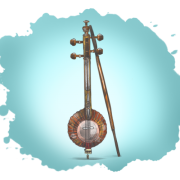

Bowed String Instruments
Violin - Musical Instruments
 intermediate
Explore how bowed string instruments, such as the violin, viola, and cello, produce sound through bowing techniques while enhancing your English skills.
1
capítulo

The Violin: A Timeless Instrument
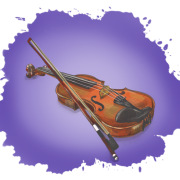
El violín es uno de los instrumentos más expresivos y versátiles del mundo, conocido por su capacidad para evocar una amplia gama de emociones. Desde los grandes salones de conciertos de música clásica hasta las melodías animadas de los géneros folclóricos y modernos, el sonido rico y resonante del violín ha cautivado al público durante siglos. Su historia está profundamente entrelazada con la evolución de la música misma, y su diseño y artesanía han sido perfeccionados a lo largo de generaciones.


The History of the Violin
El violín fue creado por primera vez en el siglo XVI en el norte de Italia. Muchos historiadores creen que el violín evolucionó a partir de instrumentos de cuerda más antiguos como el fiddle medieval y el rebec. Uno de los primeros fabricantes de violines fue un hombre llamado "Andrea Amati". A menudo se le llama el "padre del violín moderno" porque creó los primeros instrumentos que se ven y suenan como los violines que conocemos hoy.
Curiosamente, el violín no siempre se llamó así. En sus primeros años, se le conocía con diferentes nombres según la región, como "violino" en italiano, que significa "pequeña viola". Con el tiempo, el nombre "violín" se convirtió en el término estándar en muchos idiomas.
El violín rápidamente se hizo popular en toda Europa debido a su versatilidad. Podía ser utilizado para tocar tanto música de baile animada como melodías lentas y emocionales. Para el siglo XVIII, compositores famosos como "Antonio Vivaldi" y "Johann Sebastian Bach" estaban escribiendo hermosas piezas para el violín. Esto ayudó al instrumento a ganar aún más popularidad.
How a Violin is Made
Hacer un violín es un proceso muy delicado. Es un arte que se ha transmitido de generación en generación. Los violines suelen estar hechos de madera, como el abeto y el arce. La parte superior del violín se llama tapa, y está hecha de abeto porque esta madera produce un sonido claro y brillante. La parte posterior y los lados están hechos de arce, lo que le da al violín su tono cálido.
El fabricante, que se llama luthier, talla la madera cuidadosamente para crear la forma perfecta. El violín debe ser fuerte pero también ligero para que pueda producir sonidos hermosos. Una vez que el cuerpo está completo, el luthier añade las cuerdas, el diapasón y el arco. Las cuerdas están hechas de acero o materiales sintéticos, pero en el pasado, estaban hechas de tripa de oveja!
Una característica interesante del violín es el alma. Se trata de un pequeño palo de madera dentro del instrumento que ayuda a transferir las vibraciones de las cuerdas al cuerpo. Sin el alma, el violín no produciría su tono rico y resonante.
The Role of the Violin in Music
El violín es conocido por su versatilidad. Se puede tocar en muchos estilos diferentes de música, desde el clásico hasta el folk e incluso el jazz. En una orquesta, el violín a menudo toca la melodía debido a su sonido brillante y expresivo. Un grupo de violines en una orquesta se llama sección. Juntos, crean un sonido poderoso y armonioso.
En la música folk, el violín a veces se llama fiddle. Los jugadores de fiddle usan el mismo instrumento que los violinistas clásicos, pero tocan en un estilo más casual. Por ejemplo, a menudo golpean el suelo con el pie mientras tocan para mantener el ritmo. El violín también se usa en géneros musicales modernos como el rock y el pop. Músicos famosos como "Lindsey Stirling" han demostrado que el violón puede ser tan emocionante como una guitarra eléctrica.
Learning to Play the Violin
Aprender a tocar el violín no es fácil, pero puede ser muy gratificante. Los principiantes generalmente comienzan con ejercicios simples para aprender a sostener el instrumento y el arco correctamente. Con el tiempo, practican escalas y canciones para mejorar su técnica. Se necesitan muchas horas de práctica para volverse hábil en tocar el violín.
Un desafío para los nuevos violinistas es aprender a producir un sonido limpio. El arco debe deslizarse suavemente sobre las cuerdas, y los dedos deben presionar las cuerdas con la cantidad adecuada de presión. A menudo se dice que tocar el violín es como caminar sobre la cuerda floja. Sin embargo, una vez que un jugador domina estas habilidades, puede crear música que toca el corazón.
Famous Violinists
A lo largo de la historia, ha habido muchos violinistas famosos que han asombrado al público con su talento. Uno de los violinistas más conocidos de todos los tiempos es "Niccolò Paganini". Nació en Italia en 1782 y era conocido por su increíble velocidad y habilidad técnica. La gente solía decir que su forma de tocar era tan extraordinaria que parecía casi mágica.


Otro violinista famoso es "Itzhak Perlman", admirado por su tono cálido y su interpretación expresiva. Ha actuado con algunas de las mejores orquestas del mundo y ha inspirado a muchos jóvenes músicos a aprender el violín. "Midori Goto" es otra violinista conocida. Comenzó a actuar profesionalmente cuando solo tenía 11 años y sigue asombrando al público con su talento.
Fun Fact: The Most Expensive Violin in the World
¿Sabías que el violín más caro jamás vendido se llamaba «Vieuxtemps Guarneri del Gesù»? Fue fabricado en 1741 por «Giuseppe Guarneri», uno de los más grandes fabricantes de violines de la historia. Este violín se vendió por la asombrosa suma de 16 millones de dólares. ¿Qué lo hace tan especial? No es solo la edad del violín, sino también la calidad de su sonido. Muchos expertos creen que ningún instrumento moderno puede igualar su tono rico y potente. El violín es tan valioso que a menudo se presta a músicos profesionales que se encargan de preservar su estado.
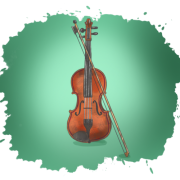
1. Violin
Bowed String Instruments
100%
What is the main reason the violin became popular across Europe?
It was easy to learn.
It was cheap to make.
It was versatile and could be used for different styles of music.
It was louder than other instruments.
Arrange the steps of making a violin in the correct order:
Match each person with their contribution to the violin world:
Complete the sentences about violin materials.
Violins are usually made from different types of wood. The
is used for the top because it produces a clear sound. The back and sides are made from
to give the violin its warm tone. In the past, violin strings were made from
, but today they are made from steel or synthetic materials.
Complete the missing information about the violin’s role in music.
| Music Style | Violin's Role |
|---|---|
Classical | Often plays the in orchestras |
Folk | Called a , played in a casual style |
Modern | Used in and pop music (e.g., Lindsey Stirling) |
Which statement is TRUE?
The violin was invented in Germany.
Learning the violin is easy.
The violin is only used in classical music.
The violin is used in many different music styles.
Which statement is FALSE?
The most expensive violin ever sold was the Vieuxtemps Guarneri del Gesù.
Violins are always made from plastic.
Andrea Amati was an early violin maker.
Violins were once called "violino" in Italian.