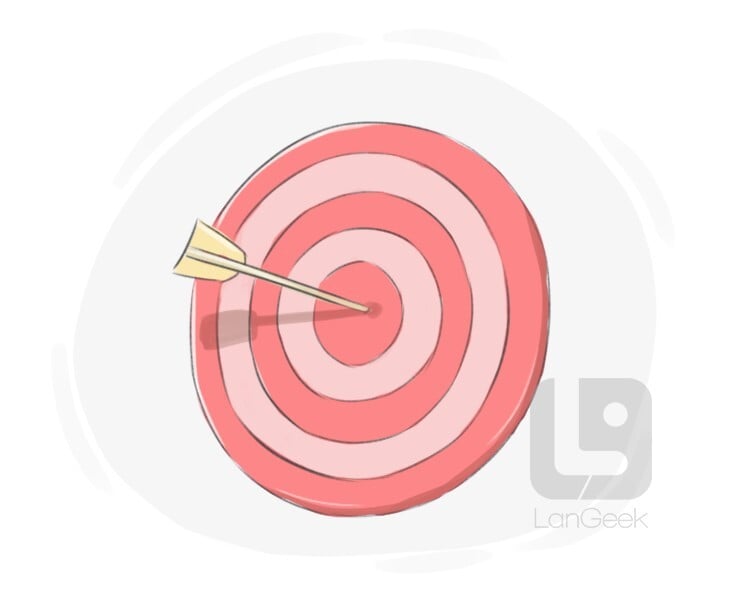


(صحیح)
دقیق
(of measurements, information, etc.) free from errors and matching facts
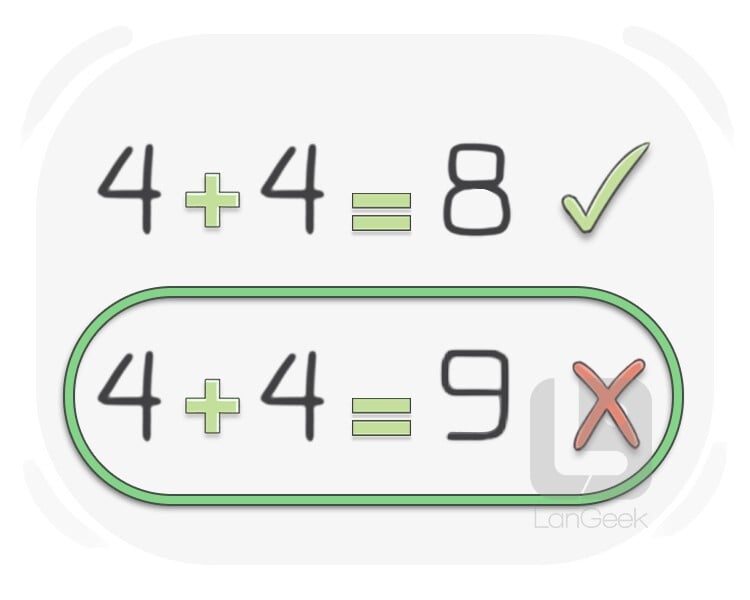
(غلط)
نادرست
not precise or correct

(درستی)
دقت
the state or quality of being without any errors
هم معنی
having a similar or identical meaning to another word or phrase in the same language or context
(مترادف)
هممعنی
a word or phrase that has the same or nearly the same meaning as another word or phrase in the same language
(منحصر)
محدود
limited or controlled by regulations or specific conditions
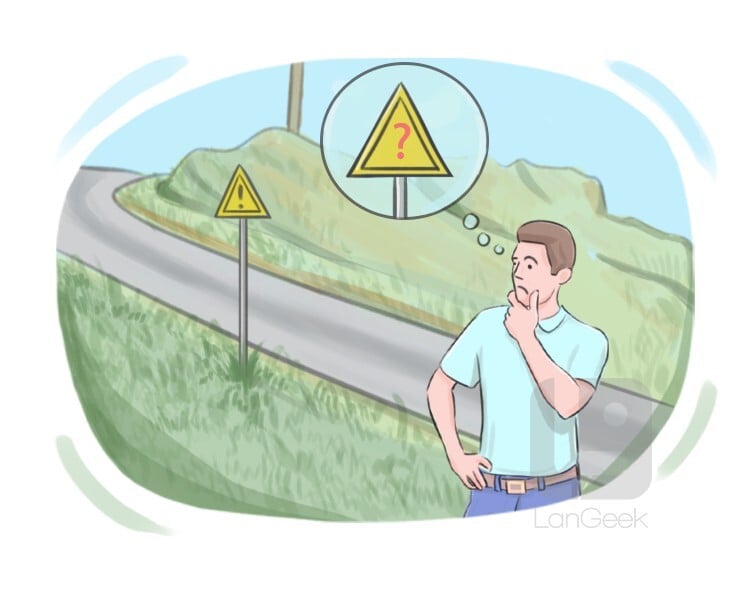
نامشخص
unclear and not precisely stated or defined
ابهام
the state of being unclear due to multiple possible meanings
تعبیر کردن
to understand or assign meaning to something
اطلاعات دستوری:
تفسیر
an explanation that results from interpreting something
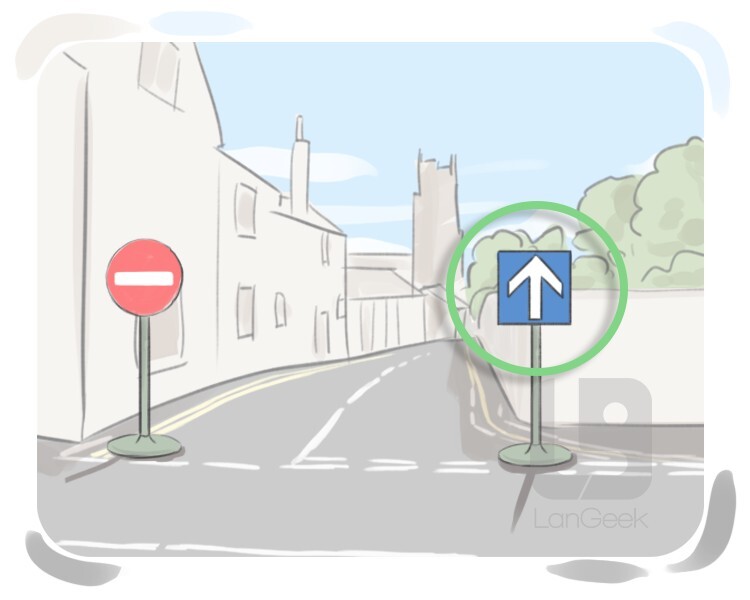

(واضح)
خودتوضیح
clear and understandable without needing further explanation
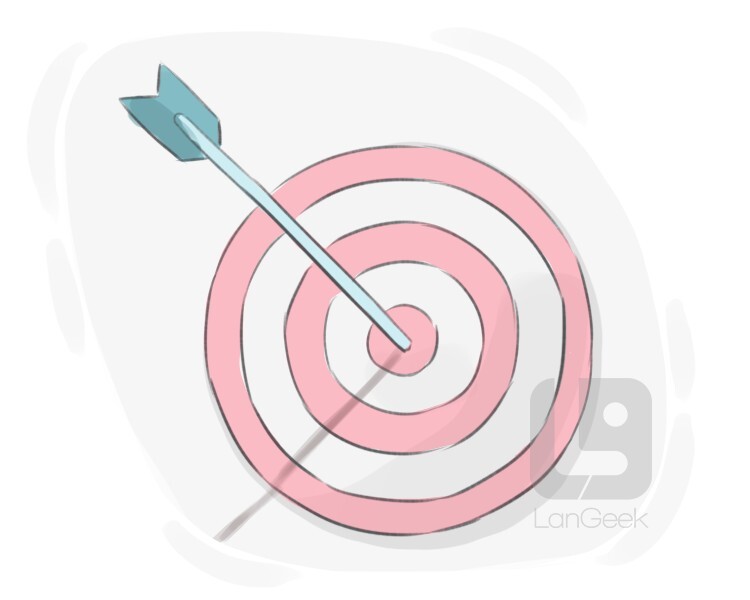
(موبهمو، صحیح)
دقیق
(of a person) highly accurate and careful in actions or words
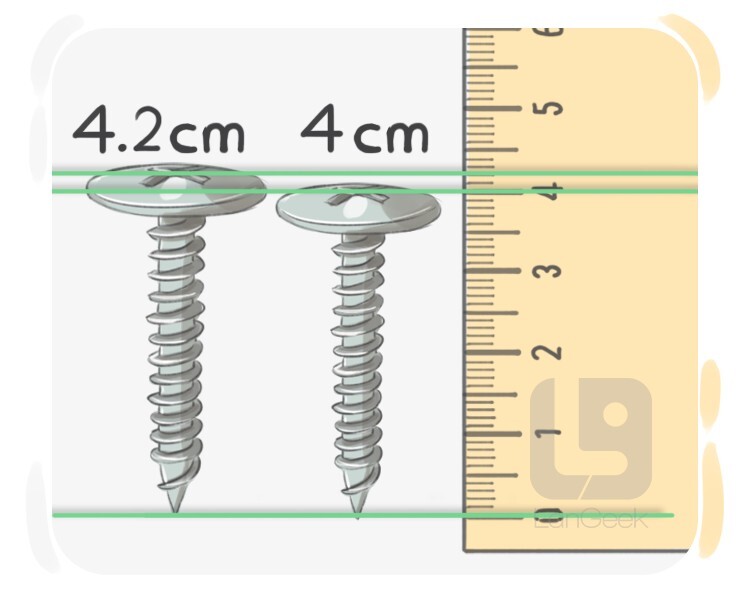
(درست)
دقیق
completely accurate in every detail
(صحت، درستی)
دقت
being able to do something the same way every time, without errors
(عملاً)
تقریباً
to an almost complete degree
اطلاعات دستوری:
تقریبی
very similar to the actual thing in almost every way

(شاگرد)
دانشآموز
a student, typically in a school or educational setting, who is learning under the guidance of a teacher
A pupil is a young person, usually in elementary school, middle school, or high school, who receives instruction from a teacher. The term is most commonly used to describe children or adolescents engaged in the early or intermediate stages of formal education. Pupils often follow a structured curriculum designed to build foundational knowledge and skills.
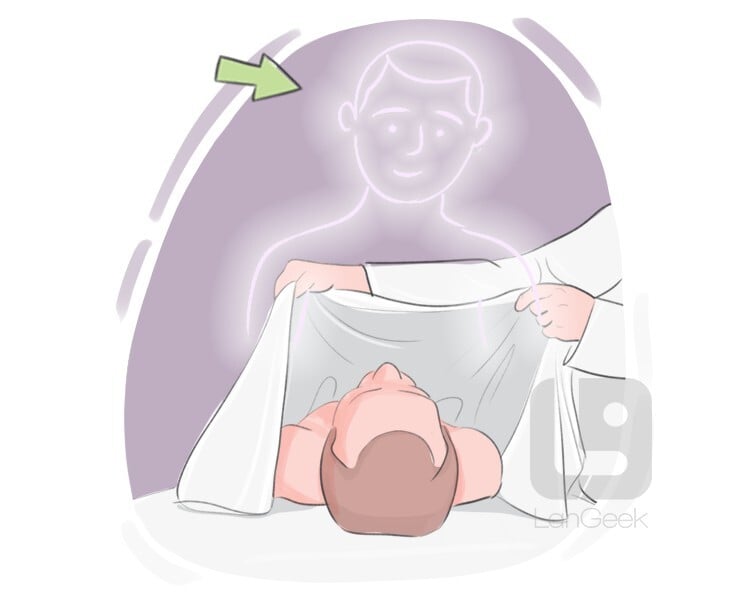
(نفس)
روح
the spiritual part of a person that is believed to be the essence of life in them
روح
a non-physical being that lives on after its body dies
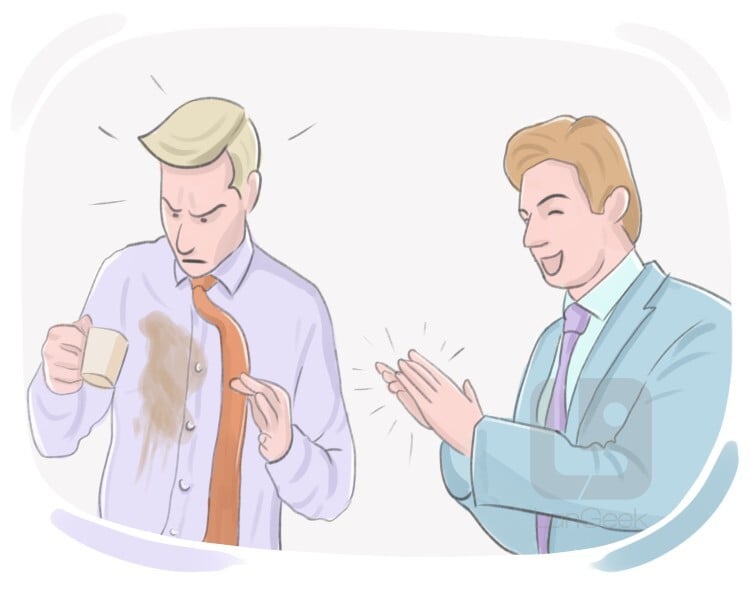
بهصورت طعنهآمیز
in a manner that conveys the opposite of what is said, often to be humorous, sarcastic, or mocking
اطلاعات دستوری:
(کنایهدار)
طعنهآمیز
using statements that mean the opposite of what is stated, often to convey criticism or humor through an implied second meaning
(گواژه)
وارونهگویی
a form of humor in which the words that someone says mean the opposite, producing an emphatic effect
Irony is a way of using language to say something that is intentionally contrary to what is meant, often to criticize or mock. It employs clever or sarcastic language to highlight flaws or shortcomings indirectly. For example, if someone who is consistently late is called "Mr. Punctual", the remark uses irony to emphasize the opposite of the truth and to subtly criticize the person's lack of punctuality. This form of irony is used to express disapproval or mock someone or something by pointing out their flaws in an indirect and often humorous way.
(حقیقی)
واقعی
referring directly to the true meaning of a word or phrase
(بهطور تحتاللفظی)
به معنای واقعی کلمه
in a manner that expresses what is really intended, without exaggeration
اطلاعات دستوری:
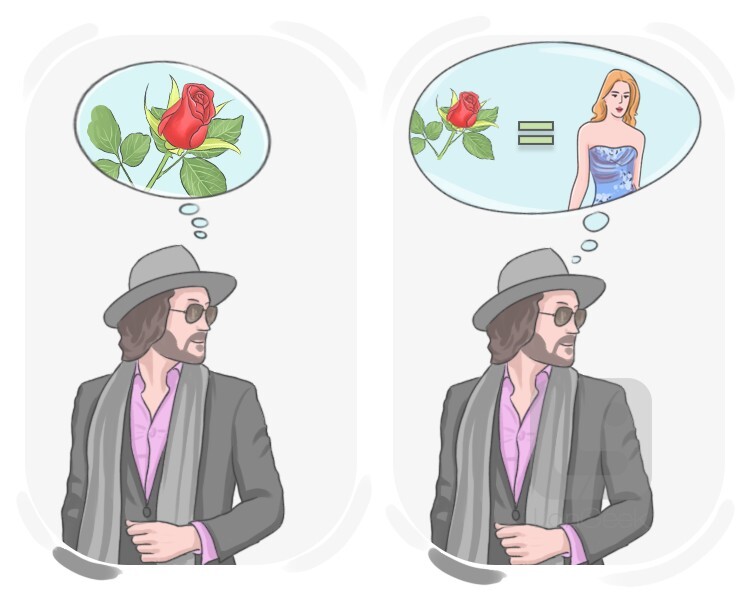
(به صورت استعاری)
مجازاً
in a way that is more imaginative, symbolic and not its literal meaning
استعاری
using language in a way that words don't have their actual meaning, but an imaginative meaning instead
(استثنایی)
طلایی
exceptionally pleasing or excellent
(فرصت طلایی)
فرصت استثنایی
a highly favorable or advantageous chance or situation that holds great potential for success or achievement
اطلاعات دستوری:
(خوشذات)
خوشقلب
a generous and kind personality
Its origin can be traced back to the 14th century, when the word "gold" was used to refer to something valuable, noble, or excellent. In the 16th century, the phrase "a heart of gold" was used to describe a person who had a kind and generous nature. The phrase gained wider recognition in the 19th century with the publication of William Shakespeare's play "Henry V", in which the character of the king is described as having a "heart of gold". Since then, the phrase has become a common idiom in the English language, used to describe people who are kind, selfless, and compassionate.
استعاره
a figure of speech that compares two unrelated things to highlight their similarities and convey a deeper meaning
A metaphor is a figure of speech that directly compares two different things by stating that one thing is another, highlighting a particular quality or aspect they share, without using "like" or "as". For example, saying "Time is a thief" suggests that time steals moments from lives, even though time is not literally a thief. Metaphors help convey meanings and emotions in a more vivid and imaginative way by creating direct comparisons between different concepts.
استعاری
using a word, phrase, etc. not for its ordinary meaning, but for the idea or symbol that it represents or suggests
(ناخوشایند)
ناموافق
expressing a negative opinion or lack of approval about something or someone
زبان عامیانه
words or expressions that are very informal and more common in spoken form, used especially by a particular group of people, such as criminals, children, etc.
Slang is a type of informal language that consists of words, phrases, or expressions that are often specific to a particular group, subculture, or community. Slang terms can change quickly and may not be understood by people outside of the group. It is commonly used in casual conversation and can convey a sense of identity, belonging, or cultural connection among speakers. Slang often reflects current trends, attitudes, and social issues, making it dynamic and adaptable. While it can add flavor and personality to language, slang is typically not used in formal writing or speech.
N/A
profane or obscene expression usually of surprise or anger
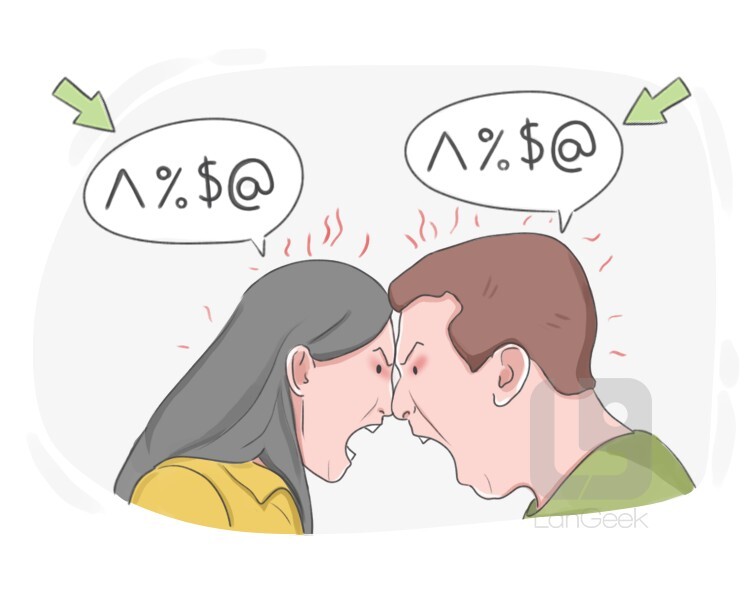
(ناراحتکننده)
توهینآمیز
causing someone to feel deeply hurt, upset, or angry due to being insulting, disrespectful, or inappropriate
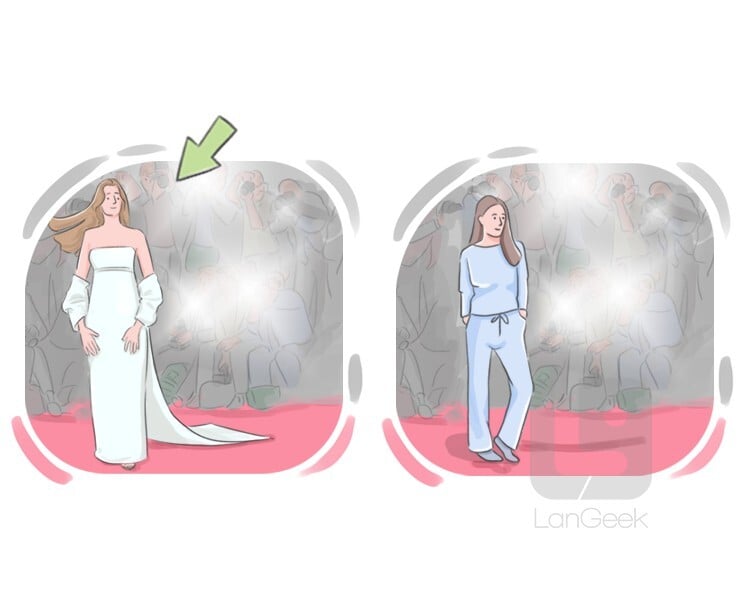
(درست)
مناسب
suitable or acceptable for a given situation or purpose
غیرتوهینآمیز
not likely to sadden or anger anyone
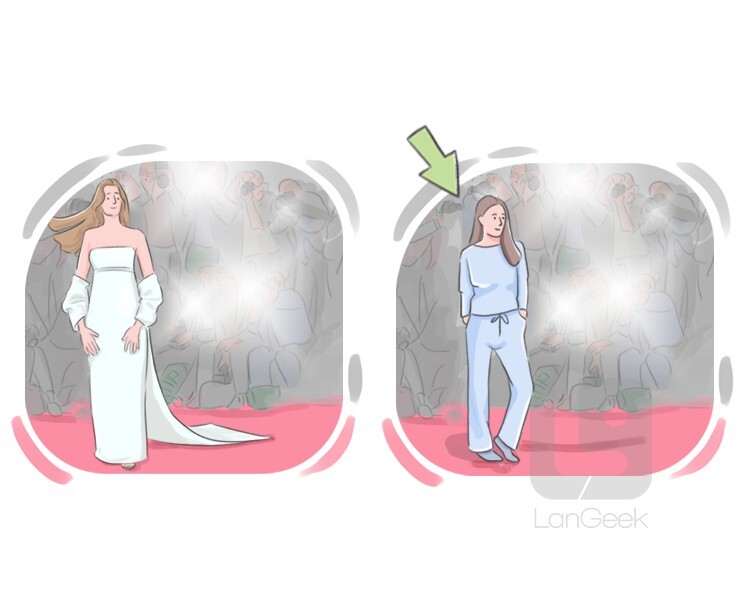
(ناشایست، ناجور)
نامناسب
not suitable or acceptable for a certain situation or context
(تحقیرآمیز)
توهین آمیز
causing offense or disrespect
(ناسزا)
توهین
a rude expression intended to offend or hurt
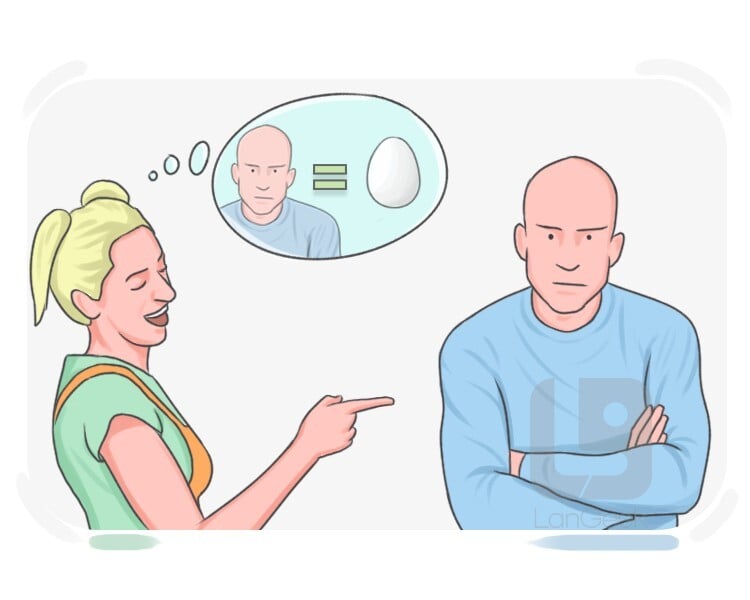
(توهین کردن)
اهانت کردن
to intentionally say or do something that disrespects or humiliates someone
اطلاعات دستوری:
N/A
profane or obscene expression usually of surprise or anger
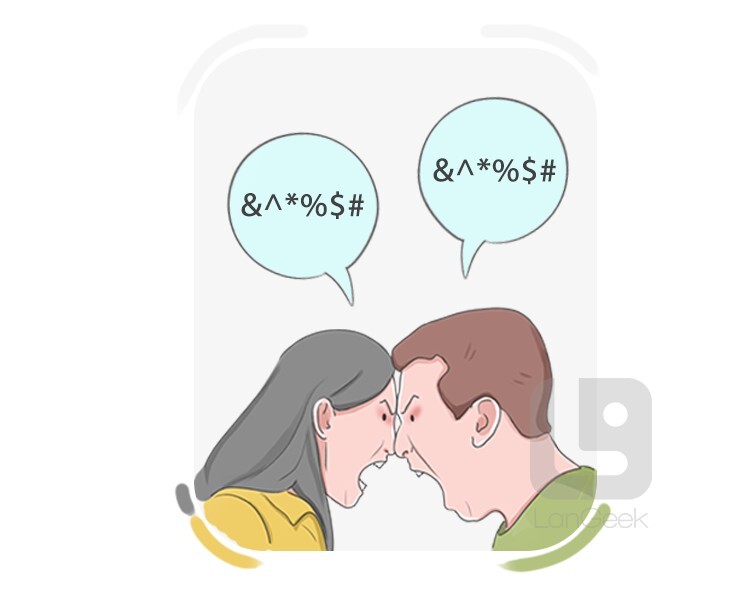
فحش دادن
to use offensive or vulgar language in order to express strong emotions
اطلاعات دستوری:
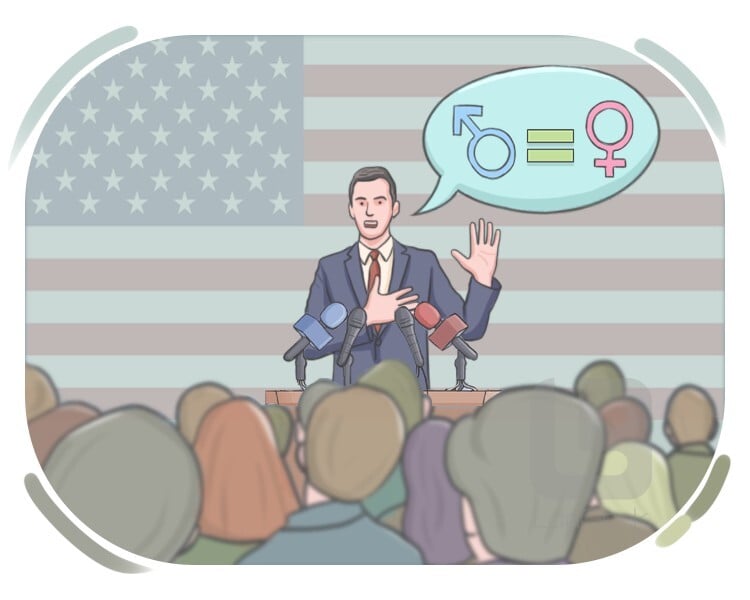
(تعهد دادن)
قول دادن
to strongly promise something, usually in serious or formal situations
اطلاعات دستوری:
تبریک! !
شما 44 کلمه از undefined آموختهاید. برای بهبود یادگیری و مرور واژگان، تمرین را شروع کنید

مرور

فلشکارتها

املای کلمه

آزمون