

Bowed String Instruments
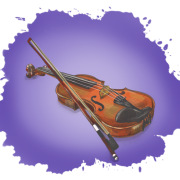
Violin - Musical Instruments
 intermediate
Explore how bowed string instruments, such as the violin, viola, and cello, produce sound through bowing techniques while enhancing your English skills.
1
kabanata

The Violin: A Timeless Instrument
Ang biyolin ay isa sa pinaka-ekspresibo at maraming kakayahang instrumento sa mundo, kilala sa kakayahang magbigay ng malawak na hanay ng emosyon. Mula sa mga grand concert hall ng klasikal na musika hanggang sa masiglang tunog ng folk at modernong mga genre, ang mayaman at umaalingawngaw na tunog ng biyolin ay nakakapukaw ng mga tagapakinig sa loob ng maraming siglo. Ang kasaysayan nito ay malalim na nakaugnay sa ebolusyon ng musika mismo, at ang disenyo at pagkamalikhain nito ay naging perpekto sa paglipas ng mga henerasyon.


The History of the Violin
Ang biyolin ay unang nilikha noong ika-16 na siglo sa hilagang Italya. Maraming istoryador ang naniniwala na ang biyolin ay nagmula sa mas matandang mga instrumentong de-kuwerdas tulad ng medieval fiddle at ang rebec. Isa sa mga pinakaunang gumagawa ng biyolin ay isang lalaki na nagngangalang "Andrea Amati". Madalas siyang tawaging "ama ng modernong biyolin" dahil siya ang lumikha ng mga unang instrumento na mukhang at tunog tulad ng mga biyolin na alam natin ngayon.
Kagiliw-giliw, ang biyolin ay hindi laging tinawag sa pangalang ito. Sa mga unang taon nito, ito ay tinukoy sa iba't ibang pangalan depende sa rehiyon, tulad ng "violino" sa Italyano, na nangangahulugang "maliit na viola". Sa paglipas ng panahon, ang pangalang "biyolin" ay naging karaniwang termino sa maraming wika.
Ang biyolin ay mabilis na naging popular sa buong Europa dahil sa kanyang kakayahang umangkop. Maaari itong gamitin upang tugtugin parehong masiglang sayaw na musika at mabagal, emosyonal na melodiya. Sa ika-18 siglo, ang mga tanyag na kompositor tulad nina "Antonio Vivaldi" at "Johann Sebastian Bach" ay sumusulat ng magagandang musika para sa biyolin. Nakatulong ito sa instrumento upang makakuha ng higit na katanyagan.
How a Violin is Made
Ang paggawa ng biyolin ay isang napaka-delikadong proseso. Ito ay isang sining na ipinasa mula sa henerasyon hanggang sa henerasyon. Ang mga biyolin ay karaniwang gawa sa kahoy, tulad ng spruce at maple. Ang itaas na bahagi ng biyolin ay tinatawag na tiyan, at ito ay gawa sa spruce dahil ang kahoy na ito ay nagbibigay ng malinaw at maliwanag na tunog. Ang likod at mga gilid ay gawa sa maple, na nagbibigay sa biyolin ng mainit nitong tono.
Ang gumagawa, na tinatawag na luthier, ay maingat na nag-uukit ng kahoy upang lumikha ng perpektong hugis. Ang biyolin ay dapat na malakas ngunit magaan din upang makagawa ito ng magagandang tunog. Kapag kumpleto na ang katawan, idinadagdag ng luthier ang mga string, ang fingerboard, at ang bow. Ang mga string ay gawa sa bakal o sintetikong materyales, ngunit noong nakaraan, gawa ang mga ito sa bituka ng tupa!
Ang isang kawili-wiling tampok ng biyolin ay ang sound post. Ito ay isang maliit na kahoy na stick sa loob ng instrumento na tumutulong sa paglipat ng mga vibrations ng mga string sa katawan. Kung walang sound post, ang biyolin ay hindi gagawa ng mayaman at malalim nitong tono.
The Role of the Violin in Music
Ang biyolin ay kilala sa kanyang kakayahang umangkop. Maaari itong tugtugin sa maraming iba't ibang estilo ng musika, mula sa klasikal hanggang sa folk at kahit na jazz. Sa isang orkestra, ang biyolin ay madalas na tumutugtog ng melodiya dahil sa maliwanag at madamdaming tunog nito. Ang isang grupo ng mga biyolin sa isang orkestra ay tinatawag na seksyon. Magkasama, lumilikha sila ng isang malakas at magkakasuwatong tunog.
Sa musikang folk, ang violin ay minsang tinatawag na fiddle. Ang mga manlalaro ng fiddle ay gumagamit ng parehong instrumento tulad ng mga klasikal na biyolinista, ngunit sila ay tumutugtog sa isang mas kadalasang istilo. Halimbawa, madalas silang tumapak ng kanilang mga paa habang tumutugtog upang mapanatili ang ritmo. Ang violin ay ginagamit din sa mga modernong genre ng musika tulad ng rock at pop. Ang mga sikat na musikero tulad ni "Lindsey Stirling" ay nagpakita na ang violin ay maaaring kasing exciting ng isang electric guitar.
Learning to Play the Violin
Ang pag-aaral na maglaro ng biyolin ay hindi madali, ngunit maaari itong maging lubhang kapaki-pakinabang. Karaniwan nagsisimula ang mga nagsisimula sa simpleng mga ehersisyo upang matutunan kung paano hawakan nang tama ang instrumento at ang bow. Sa paglipas ng panahon, nagsasanay sila ng mga scale at kanta upang mapabuti ang kanilang teknik. Kailangan ng maraming oras ng pagsasanay upang maging bihasa sa paglalaro ng biyolin.
Isang hamon para sa mga bagong manlalaro ng biyulin ang pag-aaral na makalikha ng malinis na tunog. Ang bow ay dapat dumulas nang maayos sa mga string, at ang mga daliri ay dapat pindutin ang mga string nang may tamang dami ng presyon. Madalas sabihin na ang pagtugtog ng biyulin ay parang paglalakad sa tightrope. Gayunpaman, kapag natutunan na ng isang manlalaro ang mga kasanayang ito, maaari silang lumikha ng musika na humahawak sa puso.
Famous Violinists
Sa buong kasaysayan, maraming tanyag na biyolinista ang humanga sa mga tagapakinig sa kanilang talento. Isa sa pinakakilalang biyolinista sa lahat ng panahon ay si "Niccolò Paganini". Ipinanganak siya sa Italya noong 1782 at kilala sa kanyang hindi kapani-paniwalang bilis at teknikal na kasanayan. Madalas sabihin ng mga tao na ang kanyang pagtugtog ay napakapambihira na parang mahika.


Ang isa pang tanyag na biyolinista ay si "Itzhak Perlman", na hinahangaan para sa kanyang mainit na tono at madamdaming pagtugtog. Siya ay nagtanghal kasama ang ilan sa pinakamahusay na orkestra sa mundo at nagbigay-inspirasyon sa maraming batang musikero na matuto ng biyolin. Si "Midori Goto" ay isa pang kilalang biyolinista. Nagsimula siyang magtanghal nang propesyonal noong siya ay 11 taong gulang lamang, at patuloy niyang pinagtataka ang mga tagapanood sa kanyang talento.
Fun Fact: The Most Expensive Violin in the World
Alam mo ba na ang pinakamahal na violin na naibenta ay tinatawag na «Vieuxtemps Guarneri del Gesù»? Ito ay ginawa noong 1741 ni «Giuseppe Guarneri», isa sa mga pinakadakilang gumagawa ng violin sa kasaysayan. Ang violin na ito ay naibenta sa halagang $16 milyon! Ano ang espesyal dito? Hindi lang ang edad ng violin, kundi pati na rin ang kalidad ng tunog nito. Maraming eksperto ang naniniwala na walang modernong instrumento ang makakatapat sa mayaman at makapangyarihang tono nito. Napakahalaga ng violin na madalas itong pinapahiram sa mga propesyonal na musikero na maingat na pinapanatili ang kondisyon nito.
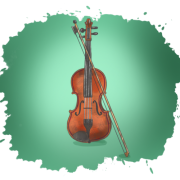
1. Violin
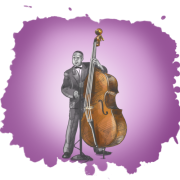
Bowed String Instruments
100%
What is the main reason the violin became popular across Europe?
It was easy to learn.
It was cheap to make.
It was versatile and could be used for different styles of music.
It was louder than other instruments.
Arrange the steps of making a violin in the correct order:
Match each person with their contribution to the violin world:
Complete the sentences about violin materials.
Violins are usually made from different types of wood. The
is used for the top because it produces a clear sound. The back and sides are made from
to give the violin its warm tone. In the past, violin strings were made from
, but today they are made from steel or synthetic materials.
Complete the missing information about the violin’s role in music.
| Music Style | Violin's Role |
|---|---|
Classical | Often plays the in orchestras |
Folk | Called a , played in a casual style |
Modern | Used in and pop music (e.g., Lindsey Stirling) |
Which statement is TRUE?
The violin was invented in Germany.
Learning the violin is easy.
The violin is only used in classical music.
The violin is used in many different music styles.
Which statement is FALSE?
The most expensive violin ever sold was the Vieuxtemps Guarneri del Gesù.
Violins are always made from plastic.
Andrea Amati was an early violin maker.
Violins were once called "violino" in Italian.