
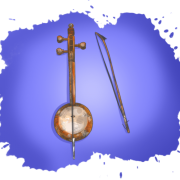
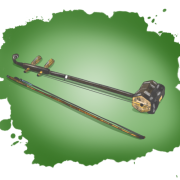
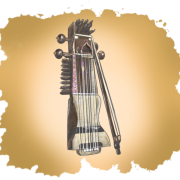
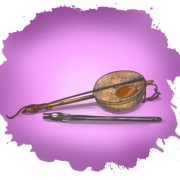
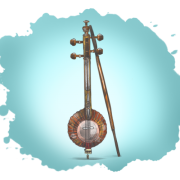

Bowed String Instruments
Violin - Musical Instruments
 intermediate
Explore how bowed string instruments, such as the violin, viola, and cello, produce sound through bowing techniques while enhancing your English skills.
1
chapitre

The Violin: A Timeless Instrument
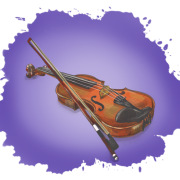
Le violon est l'un des instruments les plus expressifs et polyvalents au monde, connu pour sa capacité à évoquer une large gamme d'émotions. Des grandes salles de concert de musique classique aux airs animés des genres folkloriques et modernes, le son riche et résonnant du violon captive les auditeurs depuis des siècles. Son histoire est profondément liée à l'évolution de la musique elle-même, et sa conception et son savoir-faire ont été perfectionnés au fil des générations.


The History of the Violin
Le violon a été créé pour la première fois au XVIe siècle dans le nord de l'Italie. De nombreux historiens pensent que le violon est issu d'instruments à cordes plus anciens comme la vielle médiévale et le rebec. L'un des premiers luthiers de violon était un homme nommé "Andrea Amati". Il est souvent appelé le "père du violon moderne" parce qu'il a créé les premiers instruments qui ressemblent et sonnent comme les violons que nous connaissons aujourd'hui.
Curieusement, le violon ne s'est pas toujours appelé ainsi. Dans ses premières années, il était désigné par différents noms selon les régions, comme "violino" en italien, qui signifie "petite viole". Avec le temps, le nom "violon" est devenu le terme standard dans de nombreuses langues.
Le violon est rapidement devenu populaire à travers l'Europe en raison de sa polyvalence. Il pouvait être utilisé pour jouer à la fois de la musique de danse animée et des mélodies lentes et émotionnelles. Au XVIIIe siècle, des compositeurs célèbres comme "Antonio Vivaldi" et "Johann Sebastian Bach" écrivaient de belles musiques pour le violon. Cela a aidé l'instrument à gagner encore plus en popularité.
How a Violin is Made
Fabriquer un violon est un processus très délicat. C'est un art qui s'est transmis de génération en génération. Les violons sont généralement fabriqués en bois, comme l'épicéa et l'érable. Le dessus du violon s'appelle la table, et il est fait en épicéa parce que ce bois produit un son clair et brillant. Le dos et les côtés sont en érable, ce qui donne au violon son ton chaleureux.
Le fabricant, appelé luthier, sculpte le bois avec soin pour créer la forme parfaite. Le violon doit être solide mais aussi léger afin de pouvoir produire de beaux sons. Une fois le corps terminé, le luthier ajoute les cordes, la touche et l'archet. Les cordes sont en acier ou en matériaux synthétiques, mais autrefois, elles étaient faites de boyau de mouton!
Une caractéristique intéressante du violon est le chevalet. Il s'agit d'un petit bâton en bois à l'intérieur de l'instrument qui aide à transférer les vibrations des cordes au corps. Sans le chevalet, le violon ne produirait pas son ton riche et résonnant.
The Role of the Violin in Music
Le violon est connu pour sa polyvalence. Il peut être joué dans de nombreux styles de musique différents, du classique au folk et même au jazz. Dans un orchestre, le violon joue souvent la mélodie en raison de son son brillant et expressif. Un groupe de violons dans un orchestre est appelé une section. Ensemble, ils créent un son puissant et harmonieux.
Dans la musique folk, le violon est parfois appelé un fiddle. Les joueurs de fiddle utilisent le même instrument que les violonistes classiques, mais ils jouent dans un style plus décontracté. Par exemple, ils tapent souvent du pied en jouant pour garder le rythme. Le violon est également utilisé dans des genres musicaux modernes comme le rock et la pop. Des musiciens célèbres comme "Lindsey Stirling" ont montré que le violon peut être tout aussi excitant qu'une guitare électrique.
Learning to Play the Violin
Apprendre à jouer du violon n'est pas facile, mais cela peut être très gratifiant. Les débutants commencent généralement par des exercices simples pour apprendre à tenir correctement l'instrument et l'archet. Avec le temps, ils pratiquent des gammes et des chansons pour améliorer leur technique. Il faut de nombreuses heures de pratique pour devenir habile à jouer du violon.
Un défi pour les nouveaux joueurs de violon est d'apprendre à produire un son clair. L'archet doit glisser en douceur sur les cordes, et les doigts doivent appuyer sur les cordes avec la bonne quantité de pression. On dit souvent que jouer du violon, c'est comme marcher sur une corde raide. Cependant, une fois qu'un joueur maîtrise ces compétences, il peut créer une musique qui touche le cœur.
Famous Violinists
Au cours de l'histoire, il y a eu de nombreux violonistes célèbres qui ont émerveillé le public par leur talent. L'un des violonistes les plus connus de tous les temps est "Niccolò Paganini". Il est né en Italie en 1782 et était connu pour sa vitesse incroyable et sa maîtrise technique. Les gens disaient souvent que son jeu était si extraordinaire qu'il semblait presque magique.


Un autre violoniste célèbre est "Itzhak Perlman", admiré pour son ton chaleureux et son jeu expressif. Il a joué avec certains des meilleurs orchestres du monde et a inspiré de nombreux jeunes musiciens à apprendre le violon. "Midori Goto" est une autre violoniste bien connue. Elle a commencé à se produire professionnellement alors qu'elle n'avait que 11 ans, et elle continue d'émerveiller le public par son talent.
Fun Fact: The Most Expensive Violin in the World
Saviez-vous que le violon le plus cher jamais vendu s'appelait le «Vieuxtemps Guarneri del Gesù» ? Il a été fabriqué en 1741 par «Giuseppe Guarneri», l'un des plus grands luthiers de l'histoire. Ce violon a été vendu pour la somme étonnante de 16 millions de dollars ! Qu'est-ce qui le rend si spécial ? Ce n'est pas seulement l'âge du violon, mais aussi la qualité de son son. De nombreux experts pensent qu'aucun instrument moderne ne peut égaler son timbre riche et puissant. Le violon est si précieux qu'il est souvent prêté à des musiciens professionnels qui prennent grand soin de préserver son état.
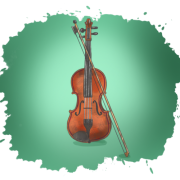
1. Violin
Bowed String Instruments
100%
What is the main reason the violin became popular across Europe?
It was easy to learn.
It was cheap to make.
It was versatile and could be used for different styles of music.
It was louder than other instruments.
Arrange the steps of making a violin in the correct order:
Match each person with their contribution to the violin world:
Complete the sentences about violin materials.
Violins are usually made from different types of wood. The
is used for the top because it produces a clear sound. The back and sides are made from
to give the violin its warm tone. In the past, violin strings were made from
, but today they are made from steel or synthetic materials.
Complete the missing information about the violin’s role in music.
| Music Style | Violin's Role |
|---|---|
Classical | Often plays the in orchestras |
Folk | Called a , played in a casual style |
Modern | Used in and pop music (e.g., Lindsey Stirling) |
Which statement is TRUE?
The violin was invented in Germany.
Learning the violin is easy.
The violin is only used in classical music.
The violin is used in many different music styles.
Which statement is FALSE?
The most expensive violin ever sold was the Vieuxtemps Guarneri del Gesù.
Violins are always made from plastic.
Andrea Amati was an early violin maker.
Violins were once called "violino" in Italian.