
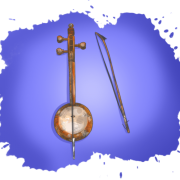
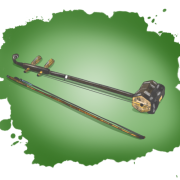
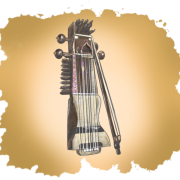
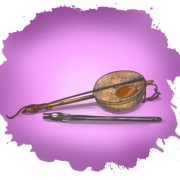

Bowed String Instruments
Violin - Musical Instruments
 intermediate
Explore how bowed string instruments, such as the violin, viola, and cello, produce sound through bowing techniques while enhancing your English skills.
1
fejezet

The Violin: A Timeless Instrument
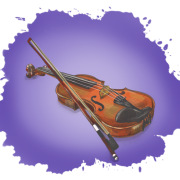
A hegedű az egyik legkifejezőbb és legsokoldalúbb hangszer a világon, amely széles érzelmek skáláját képes felidézni. A klasszikus zene nagyszabású koncerttermektől a népi és modern műfajok élénk dallamaiig, a hegedű gazdag, visszhangzó hangja évszázadok óta elbűvöli a közönséget. Története szorosan összefonódik magának a zeneének a fejlődésével, és tervezése és kézművessége generációkon át tökéletesedett.


The History of the Violin
A hegedűt először a 16. században alkották meg Észak-Itáliában. Sok történész úgy véli, hogy a hegedű régebbi húros hangszerekből, például a középkori fidlből és a rebecből fejlődött ki. Az első hegedűkészítők egyike egy "Andrea Amati" nevű férfi volt. Gyakran nevezik a "modern hegedű atyjának", mert ő alkotta meg az első olyan hangszereket, amelyek úgy néznek ki és úgy szólnak, mint a ma ismert hegedűk.
Érdekes módon a hegedű nem mindig ezt a nevet viselte. Korai éveiben különböző neveken ismerték régiónként, például olaszul "violino", ami "kis viola"-t jelent. Idővel a "hegedű" név vált szabványos kifejezéssé számos nyelvben.
A hegedű gyorsan népszerűvé vált egész Európában sokoldalúsága miatt. Használható volt élénk tánczene és lassú, érzelmes dallamok játszására is. A 18. századra olyan híres zeneszerzők, mint "Antonio Vivaldi" és "Johann Sebastian Bach" gyönyörű zenét írtak a hegedűre. Ez segített a hangszernek, hogy még nagyobb népszerűségre tegyen szert.
How a Violin is Made
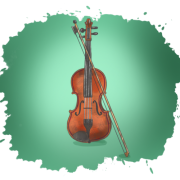
Egy hegedű készítése nagyon finom folyamat. Ez egy művészet, amely generációról generációra öröklődött. A hegedűket általában fából készítik, például lucfenyőből és juharból. A hegedű tetejét hasnak hívják, és lucfenyőből készül, mert ez a fa tiszta és világos hangot produkál. A hát és az oldalak juharból készülnek, ami meleg hangszínt kölcsönöz a hegedűnek.
A készítő, akit luthiernek hívnak, gondosan faragja a fát, hogy tökéletes formát hozzon létre. A hegedűnek erősnek, de könnyűnek is kell lennie, hogy szép hangokat tudjon előállítani. Miután a test elkészült, a luthier hozzáadja a húrokat, a fogólapot és a vonót. A húrok acélból vagy szintetikus anyagokból készülnek, de a múltban juhbélből készültek!
A hegedű egyik érdekes jellemzője a hangoszlop. Ez egy kis fadarab a hangszer belsejében, amely segít átvinni a húrok rezgéseit a testbe. Hangoszlop nélkül a hegedű nem termelné gazdag és rezonáló hangját.
The Role of the Violin in Music
A hegedű sokoldalúságáról ismert. Sokféle zenei stílusban játszható, a klasszikustól a népi zenén át egészen a jazzig. Egy zenekarban a hegedű gyakran a dallamot játssza, mivel fényes és kifejező hangja van. A hegedűk egy csoportját egy zenekarban szekciónak nevezik. Együtt erőteljes és harmonikus hangzást alkotnak.
A népzenében a hegedűt néha fiddle-nek hívják. A fiddle-játékosok ugyanazt a hangszer használják, mint a klasszikus hegedűsök, de lazább stílusban játszanak. Például gyakran dobolnak a lábukkal játszás közben, hogy megtartsák a ritmust. A hegedűt modern zenei műfajokban is használják, mint például a rock és a pop. Híres zenészek, mint "Lindsey Stirling" megmutatták, hogy a hegedű ugyanolyan izgalmas lehet, mint egy elektromos gitár.
Learning to Play the Violin
A hegedűjáték megtanulása nem könnyű, de nagyon kifizetődő lehet. A kezdők általában egyszerű gyakorlatokkal kezdik, hogy megtanulják, hogyan tartsák helyesen a hangszer és a vonót. Idővel skálákat és dalokat gyakorolnak, hogy javítsák a technikájukat. Sok óra gyakorlás szükséges ahhoz, hogy valaki jártassá váljon a hegedűjátékban.
Az új hegedűsök számára egyik kihívás a tiszta hang előállításának megtanulása. A vonónak simán kell csúsztatnia a húrok felett, és az ujjaknak a megfelelő nyomással kell lenyomniuk a húrokat. Gyakran mondják, hogy hegedülni olyan, mint kötélen járni. Azonban, amint egy játékos elsajátítja ezeket a készségeket, olyan zenét tud alkotni, amely megérinti a szívet.
Famous Violinists
A történelem során számos híres hegedűs volt, akik tehetségükkel lenyűgözték a közönséget. Az egyik leghíresebb hegedűs minden időkben "Niccolò Paganini". Olaszországban született 1782-ben, és hihetetlen sebességéről és technikai képességéről volt ismert. Az emberek gyakran mondták, hogy a játéka annyira rendkívüli volt, hogy szinte varázslatosnak tűnt.


Egy másik híres hegedűs "Itzhak Perlman", akit meleg hangszíne és kifejező játéka miatt csodálnak. A világ legjobb zenekaraival lépett fel, és sok fiatal zenészt inspirált a hegedűtanulásra. "Midori Goto" egy másik ismert hegedűs. Már 11 éves korában profi szinten kezdett fellépni, és tehetségével továbbra is lenyűgözi a közönséget.
Fun Fact: The Most Expensive Violin in the World
Tudta, hogy a valaha eladott legdrágább hegedűt «Vieuxtemps Guarneri del Gesù»-nak hívják? 1741-ben készítette «Giuseppe Guarneri», a történelem egyik legnagyobb hegedűkészítője. Ezt a hegedűt elképesztő 16 millió dollárért adták el! Mi teszi olyan különlegessé? Nemcsak a hegedű kora, hanem a hangminősége is. Sok szakértő úgy véli, hogy egyetlen modern hangszer sem képes felvenni a versenyt gazdag és erőteljes hangzásával. A hegedű annyira értékes, hogy gyakran kölcsönzik profi zenészeknek, akik nagy gondot fordítanak állapotának megőrzésére.
1. Violin
Bowed String Instruments
100%
What is the main reason the violin became popular across Europe?
It was easy to learn.
It was cheap to make.
It was versatile and could be used for different styles of music.
It was louder than other instruments.
Arrange the steps of making a violin in the correct order:
Match each person with their contribution to the violin world:
Complete the sentences about violin materials.
Violins are usually made from different types of wood. The
is used for the top because it produces a clear sound. The back and sides are made from
to give the violin its warm tone. In the past, violin strings were made from
, but today they are made from steel or synthetic materials.
Complete the missing information about the violin’s role in music.
| Music Style | Violin's Role |
|---|---|
Classical | Often plays the in orchestras |
Folk | Called a , played in a casual style |
Modern | Used in and pop music (e.g., Lindsey Stirling) |
Which statement is TRUE?
The violin was invented in Germany.
Learning the violin is easy.
The violin is only used in classical music.
The violin is used in many different music styles.
Which statement is FALSE?
The most expensive violin ever sold was the Vieuxtemps Guarneri del Gesù.
Violins are always made from plastic.
Andrea Amati was an early violin maker.
Violins were once called "violino" in Italian.