Food Industry
Chef - Jobs
 intermediate
Boost your English while exploring how the food industry grows, prepares, and innovates to feed people around the world.
1
capitolo

The Role of a Chef
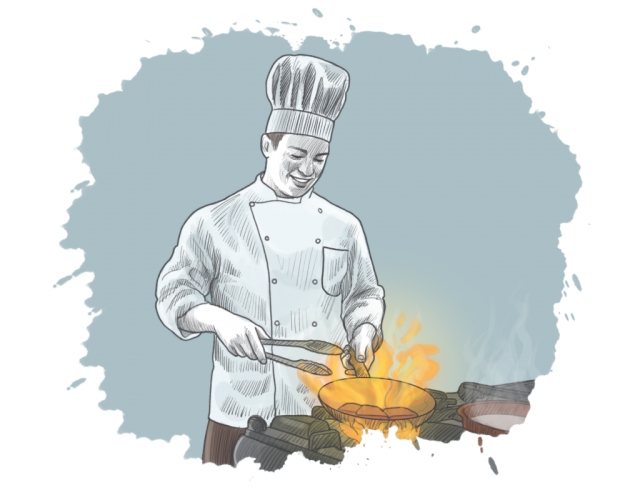
Uno chef è un professionista qualificato che lavora in cucina per creare pasti deliziosi. Questo lavoro non consiste solo nel cucinare; riguarda anche la gestione della cucina, la pianificazione dei menu e assicurarsi che ogni piatto sia perfetto. Gli chef lavorano in ristoranti, hotel, aziende di catering e persino in case private. Il loro lavoro richiede creatività, organizzazione e un amore per il cibo.
Essere uno chef è spesso descritto come lavorare nel cuore del ristorante. La cucina può essere un luogo frenetico, e uno chef deve rimanere calmo sotto pressione. Il tempismo è tutto perché i pasti devono essere serviti caldi e freschi. Gli chef devono anche lavorare bene con il loro team, inclusi cuochi e assistenti. Ognuno in cucina gioca un ruolo importante nel servire pasti eccellenti ai clienti.
The Journey to Becoming a Chef
Diventare uno chef richiede tempo, sforzo e dedizione. La maggior parte degli chef inizia il proprio percorso imparando le abilità di base della cucina. Alcuni frequentano scuole di cucina dove studiano tecniche di cottura, sicurezza alimentare e nutrizione. Altri iniziano come assistenti di cucina e imparano sul lavoro. In ogni caso, la pratica è essenziale per padroneggiare l'arte della cucina.
L'esperienza è uno dei migliori insegnanti per uno chef. Molti chef lavorano in diverse cucine per acquisire conoscenze su vari tipi di cibo. Ad esempio, uno chef potrebbe lavorare in un ristorante italiano per imparare a fare la pasta o in un ristorante giapponese per imparare a fare il sushi. Questa esperienza aiuta gli chef a sviluppare il proprio stile di cucina unico.
Types of Chefs
Ci sono molti tipi di chef in una cucina professionale, ognuno con compiti specifici che aiutano la cucina a funzionare senza intoppi. Lo Chef Esecutivo è il leader, che pianifica i menu, supervisiona il team e garantisce che il cibo soddisfi standard elevati. Cucinano raramente, concentrandosi invece sulla gestione e la creatività. Il Sous Chef, o vice, lavora a stretto contatto con lo Chef Esecutivo, aiutando a gestire la cucina e prendendo il comando quando necessario. Lo Chef Pasticcere si specializza in dessert, pane e prodotti da forno, richiedendo precisione e talento per la decorazione.
Un altro ruolo essenziale è quello del Capocuoco di Linea, anche chiamato Cuoco di Linea, che prepara piatti specifici durante il servizio dei pasti. Ad esempio, uno chef alla griglia si occupa di tutti i piatti grigliati, mentre uno chef di sauté prepara i cibi cotti in padella. Ogni tipo di chef gioca un ruolo vitale, e insieme creano una squadra che assicura il successo di ogni pasto.
The Daily Life of a Chef
La giornata di uno chef inizia presto e spesso finisce tardi. Iniziano controllando gli ingredienti per assicurarsi che tutto sia fresco e di alta qualità. Pianificare il menu è un altro compito importante. Uno chef decide quali piatti verranno serviti in base alla stagione, agli ingredienti disponibili e alle preferenze dei clienti.
Durante la preparazione dei pasti, la cucina diventa un alveare di attività. Gli chef supervisionano la loro squadra, assaggiano il cibo e apportano modifiche se necessario. Prestano anche attenzione alla presentazione perché l'aspetto di un piatto è importante quanto il suo sapore. Dopo il servizio, gli chef spesso rivedono il lavoro della giornata e pianificano per il giorno successivo.
Skills Every Chef Needs
Cucinare è al centro del lavoro di uno chef, ma il ruolo va oltre il semplice cucinare. Gli chef hanno bisogno di eccellenti capacità comunicative per lavorare con il loro team e gestire la cucina. Devono anche risolvere i problemi rapidamente. Se manca un ingrediente o un piatto non sta venendo come previsto, lo chef deve trovare una soluzione sul momento.
L'attenzione ai dettagli è un'altra abilità importante. Un piccolo errore, come dimenticare di aggiungere il sale, può cambiare completamente il sapore di un piatto. Gli chef devono anche essere creativi. Spesso inventano nuove ricette o trovano modi per migliorare i piatti tradizionali.


Famous Types of Cuisine
Gli chef spesso si specializzano in un particolare tipo di cucina, come quella francese, cinese o indiana. La cucina francese è nota per le sue salse e pasticceria. La cucina cinese utilizza spesso verdure fresche, riso e sapori audaci. La cucina indiana è famosa per le sue spezie e curry. Ogni cucina ha le proprie tecniche e tradizioni, e gli chef devono impararle per eccellere nel loro campo.
La cucina fusion è un'altra area entusiasmante. Questo è quando gli chef combinano elementi di diverse cucine per creare qualcosa di nuovo. Ad esempio, uno chef potrebbe mescolare sapori giapponesi e messicani per fare dei sushi taco. Questa creatività permette agli chef di esplorare infinite possibilità in cucina.
Great Chefs in History
Nel corso della storia, molti chef hanno lasciato il segno nel mondo culinario. Un famoso esempio è 'Auguste Escoffier', spesso chiamato il 'Re degli Chef' e 'Chef dei Re'. Ha modernizzato la cucina francese e introdotto metodi ancora utilizzati oggi nelle cucine. Un altro chef leggendario è 'Julia Child', che ha introdotto la cucina francese al pubblico di lingua inglese con i suoi libri e programmi televisivi. Questi chef e altri come loro hanno ispirato generazioni di cuochi a perseguire l'eccellenza in cucina.
The Challenges of Being a Chef
La vita di uno chef non è tutta glamour. La cucina può essere un ambiente caldo e stressante. Gli chef spesso lavorano lunghe ore, comprese serate, fine settimana e festività. Questo lavoro richiede anche resistenza fisica perché gli chef passano la maggior parte del loro tempo in piedi.
Nonostante queste sfide, molti chef trovano il loro lavoro gratificante. C'è un senso di orgoglio nel creare piatti che portano gioia agli altri. Il lavoro di uno chef non è solo nutrire le persone; si tratta di creare esperienze e ricordi.
Fun Fact: The Story Behind the Chef's Hat
Sapevi che il cappello dello chef, chiamato "toque", ha 100 pieghe? Ogni piega si dice rappresenti un modo diverso di cucinare un uovo. Questa tradizione è iniziata in Francia, dove gli chef valorizzavano precisione e maestria. La toque è più di un semplice cappello — è un simbolo della conoscenza e dell'esperienza di uno chef. Ancora oggi, molti chef indossano questo cappello come parte della loro uniforme, onorando la storia e l'orgoglio della loro professione.

1. Chef
Food Industry
100%
What is the main responsibility of an Executive Chef?
Baking cakes and bread
Serving food to customers
Supervising the team and planning menus
Washing dishes and cleaning the kitchen
Sort the following steps to becoming a chef in the correct order.
Which of the following are roles found in a professional kitchen? (Choose all that apply)
Executive Chef
Grill Chef
Dish Designer
Pastry Chef
Nutrition Inspector
Frying Supervisor
Sous Chef
Complete the table about types of chefs and their roles based on the provided information.
| Role | Chef |
|---|---|
Plans the menu and supervises the team | |
Specializes in desserts and baked goods | |
Second-in-command in the kitchen | |
Prepares assigned items during meal service |
Match the type of chef with their role.
Which of the following cuisines is especially known for spices and curries?
French cuisine
Chinese cuisine
American cuisine
Indian cuisine
Fill in the blanks with the correct words from the text (There are four extra options).
The
is often described as the heart of the restaurant.
The
Chef is the second-in-command and helps manage the kitchen.
Chefs check that
are fresh and of high quality before starting their day.
Chefs specializing in
cuisine often use rich sauces and pastries.
The traditional chef's hat is called a
and has 100 folds.
Match the cuisine with what it is known for.
Which of the following statements are true according to the passage? (Choose all that apply)
Culinary school is one way to begin a chef's career.
Chefs need to work alone to stay focused.
French cuisine is famous for sauces and pastries.
The kitchen is often a fast-paced and stressful place.
Chefs usually wear white gloves while cooking.
Some chefs develop fusion dishes using different cuisines.
Julia Child helped popularize Italian cuisine worldwide.
What does each fold in a chef's hat (toque) traditionally represent?
One recipe the chef has memorized
A different way to cook an egg
A type of pastry
A famous chef from history