
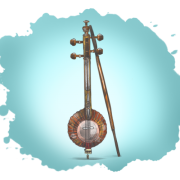

Bowed String Instruments
Violin - Musical Instruments
 intermediate
Explore how bowed string instruments, such as the violin, viola, and cello, produce sound through bowing techniques while enhancing your English skills.
1
capitolo

The Violin: A Timeless Instrument
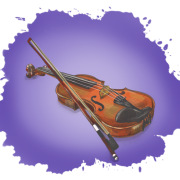
Il violino è uno degli strumenti più espressivi e versatili al mondo, noto per la sua capacità di evocare una vasta gamma di emozioni. Dalle grandi sale da concerto della musica classica alle vivaci melodie dei generi folk e moderni, il suono ricco e risonante del violino ha affascinato il pubblico per secoli. La sua storia è profondamente intrecciata con l'evoluzione della musica stessa, e il suo design e la sua maestria sono stati perfezionati nel corso delle generazioni.


The History of the Violin
Il violino fu creato per la prima volta nel XVI secolo nel nord Italia. Molti storici credono che il violino si sia evoluto da strumenti a corda più antichi come il fiddle medievale e il rebec. Uno dei primi liutai di violini fu un uomo di nome "Andrea Amati". Viene spesso chiamato il "padre del violino moderno" perché ha creato i primi strumenti che assomigliano e suonano come i violini che conosciamo oggi.
Interessante notare che il violino non è sempre stato chiamato con questo nome. Nei suoi primi anni, era indicato con nomi diversi a seconda della regione, come "violino" in italiano, che significa "piccola viola". Col tempo, il nome "violino" è diventato il termine standard in molte lingue.
Il violino divenne rapidamente popolare in tutta Europa grazie alla sua versatilità. Poteva essere utilizzato per suonare sia musica da ballo vivace che melodie lente ed emotive. Nel XVIII secolo, famosi compositori come "Antonio Vivaldi" e "Johann Sebastian Bach" scrivevano bellissime musiche per il violino. Questo ha aiutato lo strumento a guadagnare ancora più popolarità.
How a Violin is Made
Fare un violino è un processo molto delicato. È un'arte che è stata tramandata di generazione in generazione. I violini sono solitamente fatti di legno, come l'abete e l'acero. La parte superiore del violino si chiama tavola armonica, ed è fatta di abete perché questo legno produce un suono chiaro e brillante. Il retro e i lati sono fatti di acero, che conferisce al violino il suo tono caldo.
Il costruttore, chiamato liutaio, intaglia il legno con cura per creare la forma perfetta. Il violino deve essere resistente ma anche leggero in modo da poter produrre suoni bellissimi. Una volta che il corpo è completo, il liutaio aggiunge le corde, la tastiera e l'arco. Le corde sono fatte di acciaio o materiali sintetici, ma in passato erano fatte di budello di pecora!
Una caratteristica interessante del violino è l'anima. Si tratta di un piccolo bastoncino di legno all'interno dello strumento che aiuta a trasferire le vibrazioni delle corde al corpo. Senza l'anima, il violino non produrrebbe il suo tono ricco e risonante.
The Role of the Violin in Music
Il violino è noto per la sua versatilità. Può essere suonato in molti stili musicali diversi, dal classico al folk e persino al jazz. In un'orchestra, il violino suona spesso la melodia grazie al suo suono brillante ed espressivo. Un gruppo di violini in un'orchestra è chiamato sezione. Insieme, creano un suono potente e armonioso.
Nella musica folk, il violino a volte viene chiamato fiddle. I suonatori di fiddle usano lo stesso strumento dei violinisti classici, ma suonano in uno stile più informale. Ad esempio, spesso battono il piede mentre suonano per mantenere il ritmo. Il violino è anche utilizzato in generi musicali moderni come il rock e il pop. Musicisti famosi come "Lindsey Stirling" hanno dimostrato che il violino può essere emozionante quanto una chitarra elettrica.
Learning to Play the Violin
Imparare a suonare il violino non è facile, ma può essere molto gratificante. I principianti di solito iniziano con esercizi semplici per imparare a tenere correttamente lo strumento e l'arco. Con il tempo, praticano scale e canzoni per migliorare la loro tecnica. Ci vogliono molte ore di pratica per diventare abili nel suonare il violino.
Una sfida per i nuovi violinisti è imparare a produrre un suono pulito. L'arco deve scorrere dolcemente sulle corde e le dita devono premere sulle corde con la giusta quantità di pressione. Si dice spesso che suonare il violino è come camminare su una corda tesa. Tuttavia, una volta che un musicista padroneggia queste abilità, può creare musica che tocca il cuore.
Famous Violinists
Nel corso della storia, ci sono stati molti famosi violinisti che hanno stupito il pubblico con il loro talento. Uno dei violinisti più conosciuti di tutti i tempi è "Niccolò Paganini". Nacque in Italia nel 1782 ed era noto per la sua incredibile velocità e abilità tecnica. La gente diceva spesso che il suo modo di suonare era così straordinario che sembrava quasi magico.


Un altro famoso violinista è "Itzhak Perlman", ammirato per il suo tono caldo e il suono espressivo. Ha suonato con alcune delle migliori orchestre del mondo e ha ispirato molti giovani musicisti a imparare il violino. "Midori Goto" è un'altra violinista ben nota. Ha iniziato a esibirsi professionalmente quando aveva solo 11 anni e continua a stupire il pubblico con il suo talento.
Fun Fact: The Most Expensive Violin in the World
Sapevi che il violino più costoso mai venduto si chiamava «Vieuxtemps Guarneri del Gesù»? Fu realizzato nel 1741 da «Giuseppe Guarneri», uno dei più grandi liutai della storia. Questo violino fu venduto per l'incredibile cifra di 16 milioni di dollari! Cosa lo rende così speciale? Non è solo l'età del violino, ma anche la qualità del suono. Molti esperti credono che nessuno strumento moderno possa eguagliare il suo tono ricco e potente. Il violino è così prezioso che viene spesso prestato a musicisti professionisti che si prendono molta cura di preservarne le condizioni.
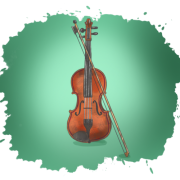
1. Violin
Bowed String Instruments
100%
What is the main reason the violin became popular across Europe?
It was easy to learn.
It was cheap to make.
It was versatile and could be used for different styles of music.
It was louder than other instruments.
Arrange the steps of making a violin in the correct order:
Match each person with their contribution to the violin world:
Complete the sentences about violin materials.
Violins are usually made from different types of wood. The
is used for the top because it produces a clear sound. The back and sides are made from
to give the violin its warm tone. In the past, violin strings were made from
, but today they are made from steel or synthetic materials.
Complete the missing information about the violin’s role in music.
| Music Style | Violin's Role |
|---|---|
Classical | Often plays the in orchestras |
Folk | Called a , played in a casual style |
Modern | Used in and pop music (e.g., Lindsey Stirling) |
Which statement is TRUE?
The violin was invented in Germany.
Learning the violin is easy.
The violin is only used in classical music.
The violin is used in many different music styles.
Which statement is FALSE?
The most expensive violin ever sold was the Vieuxtemps Guarneri del Gesù.
Violins are always made from plastic.
Andrea Amati was an early violin maker.
Violins were once called "violino" in Italian.