
Elenco di Parole Livello B2 - Corpo Umano
Qui imparerai alcune parole in inglese sul corpo umano, come "anatomia", "organo", "pomo d'Adamo", ecc., preparate per studenti di livello B2.
Revisione
Flashcard
Ortografia
Quiz
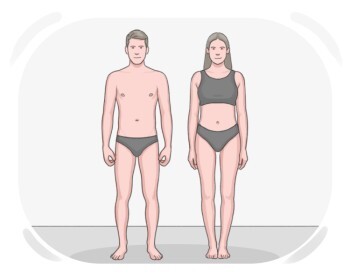
the human body

anatomia
Comprendere l'anatomia umana è essenziale per medici e chirurghi.
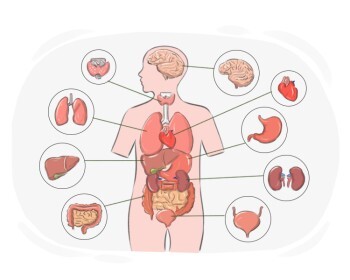
any vital part of the body which has a particular function
organo
L'organo è l'organo centrale del sistema nervoso, controllando la maggior parte delle funzioni corporee.
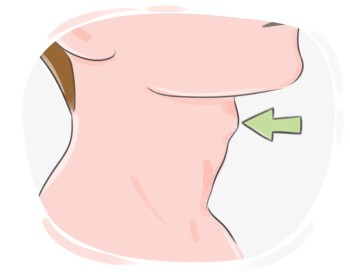
the swollen part of the neck, particularly in men, that moves upward and downward when talking or swallowing something
Pomo d'Adamo
Ha accidentalmente ingoiato un boccone di cibo e ha sentito che si è incastrato nel suo pomo d'Adamo mentre scendeva.
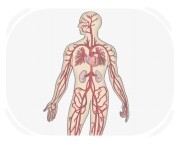
any blood vessel, carrying the blood to different organs of body from the heart
arteria
L'aterosclerosi, una condizione in cui la placca si accumula all'interno delle arterie, può restringere il flusso sanguigno e portare a gravi problemi di salute come attacchi di cuore e ictus.

any tube structure inside the body through which blood can circulate, such as a vein, artery, etc.
vaso sanguigno
La rete di vasi sanguigni del corpo è essenziale per fornire nutrienti e ossigeno a ogni cellula.
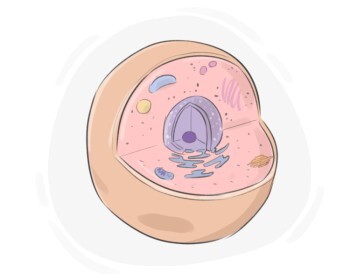
an organism's smallest unit, capable of functioning on its own
cellula
Lo studio delle cellule, noto come biologia cellulare o citologia, approfondisce la loro struttura, funzione e interazioni.

the rhythmic movement of the heart while it is pumping blood
battito cardiaco
Il battito cardiaco regolare della corridrice indicava che era in ottima salute cardiovascolare.
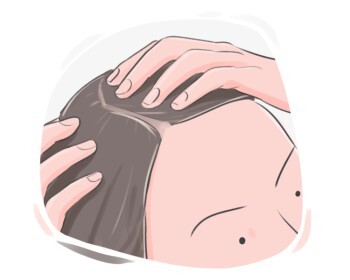
the skin under one's hair, covering the head
cuoio capelluto
Si è pettinata i capelli con cura per evitare di irritare il suo cuoio capelluto sensibile.
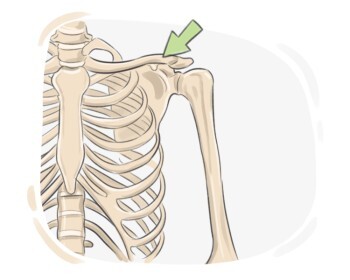
either of the pair of bones that go across the top of the chest from the base of the neck to the shoulders
clavicola
La forte struttura della clavicola dell'atleta ha aiutato a sostenere il peso del sollevamento pesante.
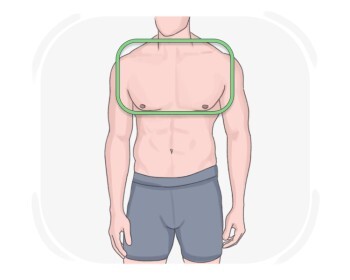
the area between the neck and the stomach
seno
Il suo petto si strinse mentre lottava per respirare, sentendo un peso sul petto.
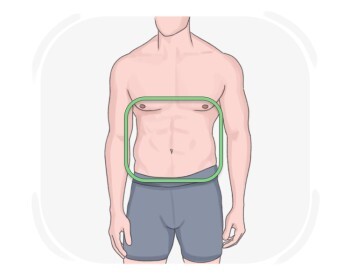
the lower part of the body below the chest that contains the digestive and reproductive organs
addome
Ha impegnato i muscoli del core, sentendo un leggero bruciore nell'addome mentre completava un'altra serie di addominali.
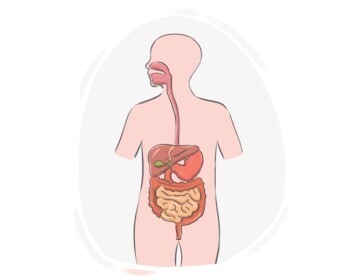
the group of organs inside the body that absorb the food and pass the waste
digerente
All'interno del sistema digestivo, enzimi e acidi collaborano per scomporre il cibo in molecole più piccole per l'assorbimento.

a protective system in the body that defends it against diseases and harmful substances
sistema immunitario
Il sistema linfatico, un componente chiave del sistema immunitario, aiuta a far circolare le cellule immunitarie e a rimuovere i rifiuti e le tossine dal corpo.

the front part of the body below the ribs that contains the stomach, intestines, etc.
pancia
La zuppa calda sembrava calmante per il suo ventre vuoto dopo una lunga giornata.
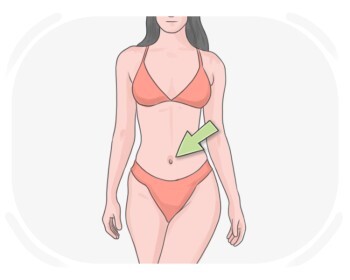
the small round hole in the front of a human stomach
ombelico
Il cordone ombelicale del neonato è stato tagliato con cura, lasciando un piccolo ombelico.
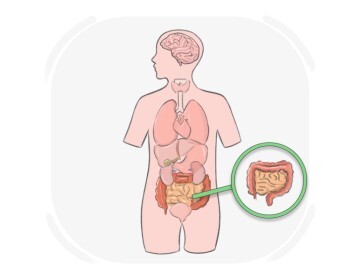
a long, continuous tube in the body through which the food coming from the stomach moves and is passed
intestino
L'intestino svolge un ruolo vitale nella scomposizione del cibo e nell'assorbimento dei nutrienti.
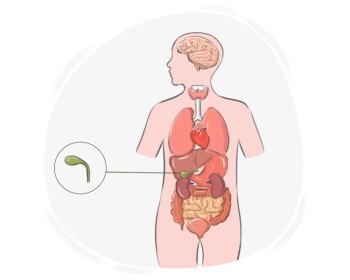
a small, pear-shaped organ located beneath the liver in which the body stores a strong digestive fluid produced by the liver
cistifellea
L'assenza della cistifellea non compromette solitamente in modo significativo la digestione, poiché la bile può ancora fluire dal fegato direttamente nell'intestino tenue, sebbene in modo meno concentrato.
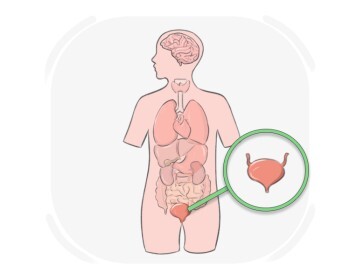
a sac-like organ inside the body where urine is stored before being passed
vescica
L'ecografia ha mostrato che la vescica funzionava normalmente.
either of the two fleshy rounded parts of the human body located at the lower end of the torso
natica
La scultura dell'artista ha catturato la forma umana, inclusa la forma dettagliata delle natiche.
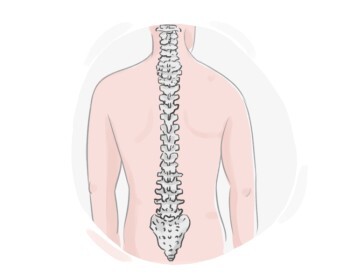
the row of small bones that are joined together down the center of the back of the body
spina dorsale
Nello yoga, molte pose sono progettate per migliorare la flessibilità e la forza della colonna vertebrale.
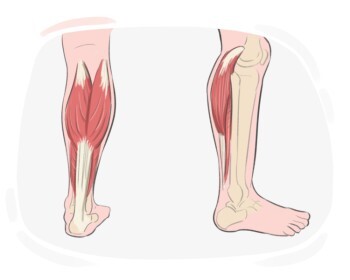
the muscular part at the back of the leg between the knee and the ankle
polpaccio
I movimenti aggraziati della ballerina hanno mostrato la forza dei suoi polpacci ben tonificati.

the front part of the leg that is between the foot and the knee
stinco
Il medico ha esaminato la tibia gonfia del paziente e ha raccomandato ghiaccio e riposo.
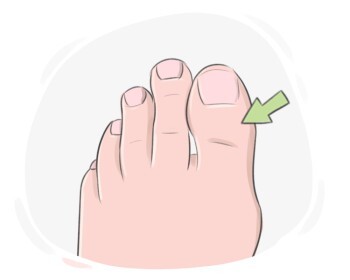
the largest of the toes on the foot
ditone
Condizioni come i calli, dove lalluce devia verso le altre dita, possono causare dolore, gonfiore e difficoltà a indossare scarpe comodamente.
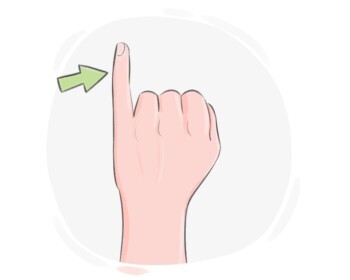
the little finger of one's hand
mignolo
Nonostante le sue piccole dimensioni, il mignolo svolge un ruolo cruciale nella coordinazione della mano e nelle abilità motorie fini, in particolare in attività come la digitazione o suonare strumenti musicali.
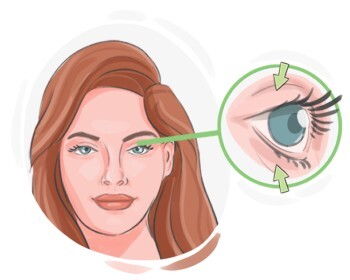
either of the upper or lower folds of skin that cover the eye when closed
palpebra
Applicare un impacco freddo ha aiutato a ridurre il gonfiore della sua palpebra.
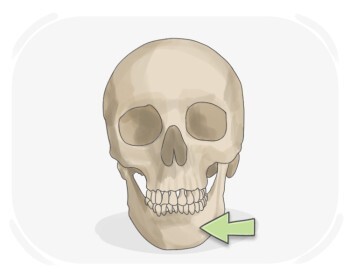
the lower bone of the face containing the chin and the bottom teeth
mandibola
Masticare gomma per troppo tempo a volte può causare dolore alla mascella.
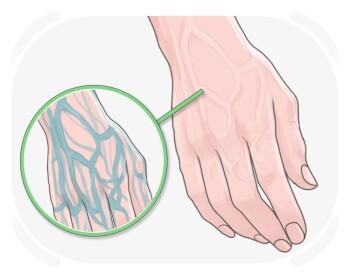
any tube or vessel that carries blood to one's heart
vena
Le vene aiutano a spostare il sangue dalle gambe e dalle braccia di nuovo al cuore.
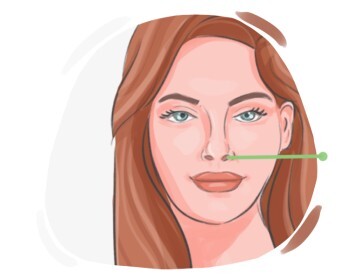
either of the two external openings of the nose that one breathes through
narice
Si è tappato le narici per impedire all'odore di raggiungerlo.
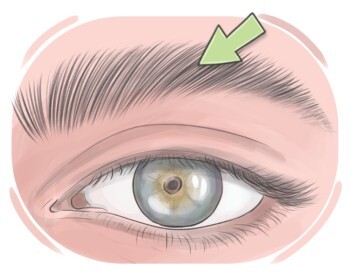
one of the two lines of hair that grow above one's eyes
sopracciglio
Ha usato un piccolo pennello per pettinare le sue sopracciglia a forma.

a hard crystal consisted of minerals such as calcium that forms in the kidneys
calcolo renale, pietra nel rene
Bere molta acqua può aiutare a prevenire i calcoli renali diluendo l'urina e eliminando i minerali che potrebbero formare calcoli.
| Elenco di Parole Livello B2 | |||
|---|---|---|---|
| Gadget | Zoo! | La Moda | La Famiglia |
| L'arte | Corpo Umano | business | Polizia |
| La Legge | Natura | Politica | Soldi |
| cucinare | Educazione | Casa | Personalità! |
| Il Valentino? | la Musica! | I Lavori | Il Tempo |
