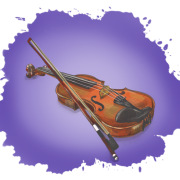
Violin

Violin

Viola

Viola

Cello

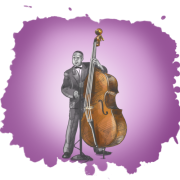
Double Bass

Double Bass

Hardanger Fiddle

Hardanger Fiddle

Rebab

Rebab

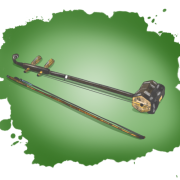
Erhu

Erhu

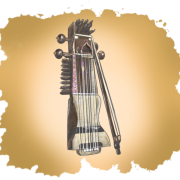
Sarangi

Sarangi

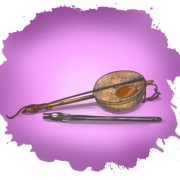
Goje

Goje

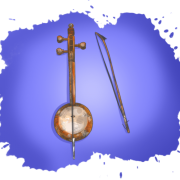
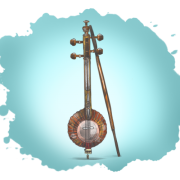
Kamancheh

Kamancheh

Bowed String Instruments

Bowed String Instruments

Violin - Musical Instruments

11 chapters
levelintermediate

Explore how bowed string instruments, such as the violin, viola, and cello, produce sound through bowing techniques while enhancing your English skills.

1

star

Violin

Read a passage about a stringed instrument known for its expressive melodies and role in orchestras and solo performances.

The Violin: A Timeless Instrument

1.1

The violin is one of the most expressive and versatile instruments in the world, known for its ability to evoke a wide range of emotions. From the grand concert halls of classical music to the lively tunes of folk and modern genres, the violin's rich, resonant sound has captivated audiences for centuries. Its history is deeply intertwined with the evolution of music itself, and its design and craftsmanship have been perfected over generations.

ヴァイオリンは、世界中で最も表現力に富み、多才な楽器の一つで、幅広い感情を引き起こす能力で知られています。クラシック音楽の壮大なコンサートホールから、フォークや現代ジャンルの活気あるメロディーまで、ヴァイオリンの豊かで響き渡る音は何世紀にもわたって聴衆を魅了してきました。その歴史は音楽そのものの進化と深く結びついており、そのデザインと職人技は世代を超えて洗練されてきました。

バイオリン

The History of the Violin

1.2

The violin was first created in the 16th century in northern Italy. Many historians believe that the violin evolved from older string instruments such as the medieval fiddle and the rebec. One of the earliest violin makers was a man named "Andrea Amati". He is often called the "father of the modern violin" because he created the first instruments that look and sound like the violins we know today.

ヴァイオリンは16世紀に北イタリアで初めて作られました。多くの歴史家は、ヴァイオリンが中世のフィドルやレベックのような古い弦楽器から進化したと信じています。最初のヴァイオリン製作者の一人は「アンドレア・アマティ」という男性でした。彼は「現代のヴァイオリンの父」と呼ばれることが多いです。なぜなら、彼が今日私たちが知っているヴァイオリンに見え、音がする最初の楽器を作ったからです。

1.3

Interestingly, the violin was not always called by this name. In its early years, it was referred to by different names depending on the region, such as "violino" in Italian, which means "small viola." Over time, the name "violin" became the standard term in many languages.

興味深いことに、ヴァイオリンは常にこの名前で呼ばれていたわけではありません。初期の頃は地域によって異なる名前で呼ばれており、イタリア語で「小さなヴィオラ」を意味する「ヴィオリーノ」などがありました。時が経つにつれて、「ヴァイオリン」という名前が多くの言語で標準的な用語となりました。

1.4

The violin quickly became popular across Europe because of its versatility. It could be used to play both lively dance music and slow, emotional melodies. By the 18th century, famous composers such as "Antonio Vivaldi" and "Johann Sebastian Bach" were writing beautiful music for the violin. This helped the instrument gain even more popularity.

ヴァイオリンはその多様性のためにヨーロッパ全土で急速に人気になりました。活発なダンス音楽と遅い、感情的なメロディーの両方を演奏するために使用することができました。18世紀までには、"アントニオ・ヴィヴァルディ"や"ヨハン・セバスチャン・バッハ"のような有名な作曲家がヴァイオリンのために美しい音楽を書いていました。これは楽器がさらに人気を集めるのに役立ちました。

How a Violin is Made

1.5

Making a violin is a very delicate process. It is an art that has been passed down from generation to generation. Violins are usually made from wood, such as spruce and maple. The top of the violin is called the belly, and it is made from spruce because this wood produces a clear and bright sound. The back and sides are made from maple, which gives the violin its warm tone.

バイオリンを作ることは非常に繊細なプロセスです。それは世代から世代へと受け継がれてきた芸術です。バイオリンは通常、スプルースやメープルなどの木材で作られています。バイオリンの上部は腹板と呼ばれ、スプルースで作られています。この木材はクリアで明るい音を出すからです。背面と側面はメープルで作られており、バイオリンに暖かい音色を与えます。

1.6

The maker, who is called a luthier, carves the wood carefully to create the perfect shape. The violin must be strong but also lightweight so that it can produce beautiful sounds. Once the body is complete, the luthier adds the strings, the fingerboard, and the bow. The strings are made of steel or synthetic materials, but in the past, they were made from sheep gut!

製作者はルティエと呼ばれ、完璧な形を作り出すために慎重に木材を彫ります。ヴァイオリンは強度がありながらも軽量でなければならず、美しい音を出すことができます。本体が完成すると、ルティエは弦、指板、そして弓を追加します。弦は鋼鉄または合成材料で作られていますが、過去には羊の腸から作られていました!

1.7

One interesting feature of the violin is the sound post. This is a small wooden stick inside the instrument that helps transfer the vibrations of the strings to the body. Without the sound post, the violin would not produce its rich and resonant tone.

バイオリンの興味深い特徴の一つは、サウンドポストです。これは楽器内部にある小さな木の棒で、弦の振動をボディに伝える役割を果たします。サウンドポストがなければ、バイオリンはその豊かで共鳴する音を生み出しません。

The Role of the Violin in Music

1.8

The violin is known for its versatility. It can be played in many different styles of music, from classical to folk and even jazz. In an orchestra, the violin often plays the melody because of its bright and expressive sound. A group of violins in an orchestra is called a section. Together, they create a powerful and harmonious sound.

バイオリンはその多様性で知られています。クラシックからフォーク、さらにはジャズまで、さまざまなスタイルの音楽で演奏することができます。オーケストラでは、バイオリンはその明るく表現力豊かな音色のために、しばしばメロディーを演奏します。オーケストラにおけるバイオリンのグループはセクションと呼ばれます。一緒に、彼らは力強く調和のとれた音を作り出します。

1.9

In folk music, the violin is sometimes called a fiddle. Fiddle players use the same instrument as classical violinists, but they play in a more casual style. For example, they often tap their feet while playing to keep the rhythm. The violin is also used in modern music genres such as rock and pop. Famous musicians like "Lindsey Stirling" have shown that the violin can be just as exciting as an electric guitar.

フォークミュージックでは、ヴァイオリンは時々フィドルと呼ばれます。フィドルプレイヤーはクラシックのヴァイオリニストと同じ楽器を使用しますが、よりカジュアルなスタイルで演奏します。例えば、リズムを保つために演奏中に足をタップすることがよくあります。ヴァイオリンはまた、ロックやポップのような現代の音楽ジャンルでも使用されています。"Lindsey Stirling"のような有名なミュージシャンは、ヴァイオリンがエレキギターと同じくらいエキサイティングになり得ることを示しました。

Learning to Play the Violin

1.10

Learning to play the violin is not easy, but it can be very rewarding. Beginners usually start with simple exercises to learn how to hold the instrument and bow correctly. Over time, they practice scales and songs to improve their technique. It takes many hours of practice to become skilled at playing the violin.

バイオリンを習得するのは簡単ではありませんが、非常にやりがいがあります。初心者は通常、楽器と弓を正しく持つ方法を学ぶために簡単な練習から始めます。時間が経つにつれて、彼らはスケールと曲を練習して技術を向上させます。バイオリンを上手に弾けるようになるには、何時間もの練習が必要です。

1.11

One challenge for new violin players is learning to produce a clean sound. The bow must glide smoothly across the strings, and the fingers must press down on the strings with the right amount of pressure. It is often said that playing the violin is like walking a tightrope. However, once a player master these skills, they can create music that touches the heart.

新しいバイオリン奏者にとっての一つの挑戦は、きれいな音を出すことを学ぶことです。弓は弦の上を滑らかに動かさなければならず、指は適切な圧力で弦を押さえる必要があります。バイオリンを弾くことは綱渡りのようなものだと言われることがよくあります。しかし、一度これらのスキルを習得すれば、心に触れる音楽を作り出すことができます。

Famous Violinists

1.12

Throughout history, there have been many famous violinists who have amazed audiences with their talent. One of the most well-known violinists of all time is "Niccolò Paganini". He was born in Italy in 1782 and was known for his incredible speed and technical skill. People often said that his playing was so extraordinary that it seemed almost magical.

歴史を通じて、その才能で観客を驚かせた多くの有名なバイオリニストがいました。史上最も有名なバイオリニストの一人が「ニコロ・パガニーニ」です。彼は1782年にイタリアで生まれ、信じられないほどの速さと技術的なスキルで知られていました。人々はよく、彼の演奏は非常に非凡で、ほとんど魔法のように見えたと言っていました。

バイオリン
1.13

Another famous violinist is "Itzhak Perlman", who is admired for his warm tone and expressive playing. He has performed with some of the best orchestras in the world and has inspired many young musicians to learn the violin. "Midori Goto" is another well-known violinist. She began performing professionally when she was only 11 years old, and she continues to amaze audiences with her talent.

もう一人の有名なヴァイオリニストは「イツァーク・パールマン」で、その温かい音色と表現力豊かな演奏で称賛されています。彼は世界最高のオーケストラのいくつかと共演し、多くの若い音楽家にヴァイオリンを学ぶようにインスピレーションを与えてきました。「五嶋みどり」はもう一人の有名なヴァイオリニストです。彼女はわずか11歳でプロとしての演奏を始め、その才能で観客を驚かせ続けています。

Fun Fact: The Most Expensive Violin in the World

1.14

Did you know that the most expensive violin ever sold was called the "Vieuxtemps Guarneri del Gesù"? It was made in 1741 by "Giuseppe Guarneri", one of the greatest violin makers in history. This violin was sold for an astonishing $16 million! What makes it so special? It is not just the age of the violin, but also its sound quality. Many experts believe that no modern instrument can match its rich and powerful tone. The violin is so valuable that it is often loaned to professional musicians who take great care to preserve its condition.

史上最も高額で売られたヴァイオリンが「ヴュータン・グァルネリ・デル・ジェス」と呼ばれていることをご存知ですか?それは1741年に、史上最も偉大なヴァイオリン製作者の一人である「ジュゼッペ・グァルネリ」によって作られました。このヴァイオリンはなんと1600万ドルで売却されました!何がそんなに特別なのでしょうか?それはヴァイオリンの古さだけでなく、その音質にもあります。多くの専門家は、現代の楽器はその豊かで力強い音色にかなわないと考えています。このヴァイオリンは非常に貴重で、状態を保つために細心の注意を払うプロの音楽家に貸し出されることがよくあります。
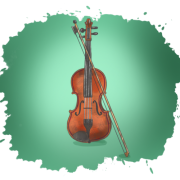
1. Violin

1. Violin

Bowed String Instruments


0%
Quiz
1.

What is the main reason the violin became popular across Europe?

A

It was easy to learn.

B

It was cheap to make.

C

It was versatile and could be used for different styles of music.

D

It was louder than other instruments.

2.

Arrange the steps of making a violin in the correct order:

the strings and bow are added.
the luthier carves the wood into the right shape.
the sound post is placed inside the violin.
the violin's body is completed.
the top (belly) is made from spruce.
3.

Match each person with their contribution to the violin world:

Andrea Amati
Niccolò Paganini
Itzhak Perlman
Famous for his extraordinary speed and skill
Created the first modern violins
Admired for his warm tone and expressive playing
4.

Complete the sentences about violin materials.

Violins are usually made from different types of wood. The

is used for the top because it produces a clear sound. The back and sides are made from

to give the violin its warm tone. In the past, violin strings were made from

, but today they are made from steel or synthetic materials.

5.

Complete the missing information about the violin’s role in music.

Music StyleViolin's Role

Classical

Often plays the

in orchestras

Folk

Called a

, played in a casual style

Modern

Used in

and pop music (e.g., Lindsey Stirling)

6.

Which statement is TRUE?

A

The violin was invented in Germany.

B

Learning the violin is easy.

C

The violin is only used in classical music.

D

The violin is used in many different music styles.

7.

Which statement is FALSE?

A

The most expensive violin ever sold was the Vieuxtemps Guarneri del Gesù.

B

Violins are always made from plastic.

C

Andrea Amati was an early violin maker.

D

Violins were once called "violino" in Italian.
patternpatternpatternpatternpatternpattern