


a period of time in history or someone's life, during which significant events happen

時代, 紀元
ルネサンスは、ヨーロッパにおける偉大な文化的および芸術的成果の時代でした。
the study and writing of history, particularly the methods, interpretations, and principles used by historians to examine and interpret past events
史学, 史学的研究
アメリカ南北戦争の歴史記述は、原因と結果に関する変化する視点を年々反映しています。
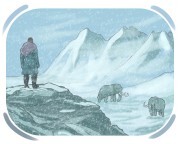
one of the periods in history when ice covered large parts of the world
氷河期, 氷河時代
最後の氷河時代の間、広大な氷河が北アメリカとヨーロッパの大部分を覆っていた。
the period when iron was not discovered and people used bronze to make tools
青銅器時代, ブロンズ時代
青銅器時代は、金属加工技術の発展とともに人類の技術における重要な進歩を示しました。
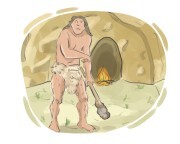
the early period of human history when people used things such as stone, horn, bone, etc. to make tools
石器時代, 石の時代
石器時代は、簡単な石器の使用と初期の人間社会の発展によって特徴づけられました。
the era in European history commenced at the end of the Roman Empire in AD 476 and lasted until AD 1000
暗黒時代, 初期中世
the period that began about 1100 BC when people used iron tools for the first time
鉄器時代, 鉄の時代
鉄器時代は青銅器時代に続き、道具や武器に鉄が広く使われたことで特徴づけられます。
a farmer who owns or rents a small piece of land, particularly in the past or in poorer countries
農民, 小作人
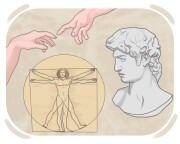
the period between the 14th and 16th centuries in Europe, marked by a rise of interest in Greek and Roman cultures, which is dominant in the art, philosophy, etc. of the times
ルネサンス
ルネサンス期は、芸術、科学、文学における顕著な業績で知られています。
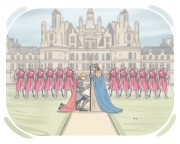
an era in European history, between about AD 1000 and AD 1500, when the authority of kings, people of high rank, and the Christian Church was unquestionable
中世, 中世時代
黒死病は、中世後期にヨーロッパを襲い、数百万人の命を奪った壊滅的なパンデミックでした。
a transformative 16th-century movement challenging and reforming practices within Christianity, leading to the establishment of Protestant denominations
改革, 宗教改革
マルティン・ルターの九十五箇条の論題によって引き起こされた宗教改革は、キリスト教の宗教的実践に疑問を投げかけ、再定義しました。
a philosophical movement in the late 17th and 18th centuries that emphasized reason and science were of more importance than tradition and religion
啓蒙, 啓蒙時代
啓蒙時代は伝統的な権威に挑戦し、世界を理解するための基礎として理性を推進しました。
the reestablishment of the English monarchy under Charles II in 1660
王政復古
the study of past events for the purpose of determining the order by which they occurred
年代学, 年代学的な研究
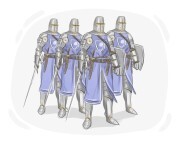
belonging or related to the Middle Ages, the period in European history from roughly the 5th to the 15th century
中世の, 中世に属する
その博物館には12世紀にさかのぼる中世の写本のコレクションがあります。
an event or stage that has a very important impact on the progress of something
画期的な出来事, 節目
大学を卒業することは、彼女の人生における大きな節目でした。
a catastrophic event that results in widespread death and destruction
ホロコースト, 大災害
戦争のホロコーストは国を廃墟にし、無数の命を奪いました。
a manuscript or written record created on sheets of a plant material used in ancient Egypt for making paper-like scrolls and documents
パピルス, パピルスに書かれた写本
考古学者たちは、その地域の日常生活を詳細に記した古代の文章を明らかにする、よく保存されたパピルスを発掘した。
a secular designation used to represent dates in the Gregorian calendar before the traditional reference point of the birth of Jesus Christ
紀元前, 共通紀元前
a mass murder committed in order to destroy a particular nation, religious or ethnic group, or race
ジェノサイド, 大量虐殺
国際連合はジェノサイドを、国民的、民族的、人種的または宗教的集団を、全体または部分的に破壊する意図で行われる行為と定義しています。
a war that is between people who are in the same country
内戦, 内部紛争
アメリカの内戦は、奴隷制と州の権利をめぐって北部の州(連邦)と南部の州(連合)の間で戦われた。

used to refer to a date that is after the birth of Jesus Christ
西暦, AD

marking the years before Christ's supposed birth
紀元前

used with a date to refer to things happened or existed after the birth of Christ
共通紀元, 西暦
