pattern

IELTS Academicの語彙 (スコア6-7) - 文化と習慣

ここでは、アカデミックIELTS試験に必要な文化と習慣に関連するいくつかの英単語を学びます。

レビュー

フラッシュカード

綴り

クイズ
学習を開始
Vocabulary for Academic IELTS (6-7)
mythology
mythology
[名詞]

a collection of ancient myths, particularly one that belongs to a group of people and their history, etc.

神話

神話

Ex: Greek mythology includes stories of gods, goddesses, and heroes such as Zeus, Athena, and Hercules. 

ギリシャ神話には、ゼウス、アテナ、ヘラクレスなどの神々、女神、英雄の物語が含まれています。
cuisine
cuisine
[名詞]

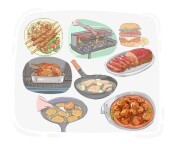
a method or style of cooking that is specific to a country or region

料理

料理

Ex: They sampled a variety of Asian cuisine, including sushi, dim sum, and curry. 

彼らは寿司、点心、カレーを含む様々なアジアの料理を試食しました。

subculture
subculture
[名詞]

a group within a larger culture that shares distinctive values, norms, and behaviors, often differing from those of the dominant culture

サブカルチャー, 下位文化

サブカルチャー, 下位文化

Ex: The goth subculture, characterized by its dark fashion and music preferences, often congregates in alternative clubs and events. 

ゴスサブカルチャーは、その暗いファッションと音楽の好みで特徴づけられ、しばしばオルタナティブなクラブやイベントに集まります。

multiculturalism

the belief that cultural diversity within a society should be respected

多文化主義

多文化主義

Ex: Multiculturalism celebrates the richness of cultural diversity and recognizes the contributions of different ethnic, religious, and linguistic groups to society. 

多文化主義は、文化の多様性の豊かさを称え、社会へのさまざまな民族的、宗教的、言語的グループの貢献を認めます。

assimilation
assimilation
[名詞]

the social process of absorbing one cultural group into harmony with another

同化, 文化的統合

同化, 文化的統合

rite
rite
[名詞]

a formal or traditional act performed for a specific purpose, often in religious or cultural ceremonies

儀式, 祭式

儀式, 祭式

Ex: The rite of passage marked his transition into adulthood. 

通過儀礼は、彼の成人への移行を示した。

architecture
architecture
[名詞]

the art, study, or profession of designing buildings and other structures

Ex: Emma studied architecture at university. 
etiquette
etiquette
[名詞]

a set of conventional rules or formal manners, usually in the form of ethical code

エチケット

エチケット

Ex: Good etiquette is essential at formal dinners. 

正式なディナーではエチケットが不可欠です。

festivity
festivity
[名詞]

any social gathering that is celebrated in a cheerful way

祭り, 祝祭

祭り, 祝祭

Ex: The town's annual festivity includes a parade and fireworks display. 

町の年間祭りにはパレードと花火大会が含まれます。

commemoration

a formal ceremony held to remember and honor a person or significant event

記念式典,  追悼式

記念式典, 追悼式

Ex: Hundreds attended the commemoration of the historic uprising. 
heritage
heritage
[名詞]

a person's ethnic, cultural, or religious background inherited from their ancestors

遺産,  継承

遺産, 継承

Ex: Daniel is proud of his Irish heritage. 
taboo
taboo
[名詞]

a topic, term, or action that is forbidden or avoided for religious or cultural reasons

タブー, 禁忌

タブー, 禁忌

Ex: Discussing politics can be a taboo in certain social circles. 

政治について議論することは、特定の社会的なサークルではタブーとなることがあります。

superstition
superstition
[名詞]

an irrational belief arising from ignorance or fear

迷信, 迷信的な信念

迷信, 迷信的な信念

ancestry
ancestry
[名詞]

the people from whom a person is descended

祖先, 血統

祖先, 血統

Ex: She traced her ancestry back to the 16th century. 
decorum
decorum
[名詞]

behavior that conforms to accepted standards of propriety, etiquette, or social conduct

礼儀, 作法

礼儀, 作法

Ex: They were praised for their decorum during the tense negotiations. 

彼らは緊張した交渉中の礼儀正しさを称賛された。

formality
formality
[名詞]

the quality of being serious, conventional, and ceremonious in manner or style

形式張ること

形式張ること

Ex: The formality of the reception made casual conversation difficult. 
propriety
propriety
[名詞]

the way of behaving that is considered to be morally and socially correct and acceptable

礼儀正しさ,  適切さ

礼儀正しさ, 適切さ

Ex: She was known for her propriety at social gatherings. 

彼女は社交の場での礼儀正しさで知られていました。

urbanity
urbanity
[名詞]

a refined politeness and sophistication in behavior and manner

都会的な洗練, 洗練された礼儀正しさ

都会的な洗練, 洗練された礼儀正しさ

Ex: Young diplomats were often advised to emulate the urbanity of their experienced counterparts. 

若い外交官は、経験豊富な同僚の洗練された礼儀正しさを見習うようよく助言された。

stereotype
stereotype
[名詞]

a widely held but fixed and oversimplified image or idea of a particular type of person or thing

ステレオタイプ

ステレオタイプ

Ex: The movie relied on a stereotype of teenagers that wasn't true to life. 

その映画は、実際の生活に忠実ではない十代の若者のステレオタイプに頼っていた。

integration
integration
[名詞]

the process of bringing people from different racial, ethnic, religious, or social groups into equal participation in a community or institution

統合,  融合

統合, 融合

Ex: The school introduced several programs to encourage racial integration. 
matriarchy
matriarchy
[名詞]

a society where women have primary authority and leadership roles

母権制, 母系社会

母権制, 母系社会

Ex: In matriarchy, women lead families and communities. 

母系制では、女性が家族やコミュニティを率います。

patriarchy
patriarchy
[名詞]

a family or kinship system in which a male serves as the head and lineage is traced through the male line

家父長制, 父権制

家父長制, 父権制

Ex: In traditional patriarchies, the eldest male inherits the family estate. 

伝統的な家父長制では、最年長の男性が家族の財産を相続します。

hierarchy
hierarchy
[名詞]

a system in which people are ranked at different levels according to their status, authority, or importance

階層,  ヒエラルキー

階層, ヒエラルキー

Ex: She quickly rose through the company's management hierarchy. 
folkways
folkways
[名詞]

informal social norms or customary behaviors that guide everyday life within a culture

慣習, 風習

慣習, 風習

LanGeek
LanGeekアプリをダウンロード