
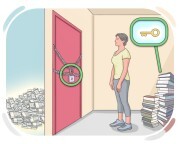
a figure of speech in which a word or expression is used to describe something by implying a comparison with something else

隠喩, メタファー

a word or phrase that compares two things or people, highlighting the similarities, often introduced by 'like' or 'as'
直喩, 比喩
詩人は直喩を使って雲を綿菓子に例え、そのふわふわとした、幽玄な外観を鮮やかに描きました。
the figurative language in literature by which the audience can form vivid mental images
イメージ, 比喩的な言語
a form of humor in which the words that someone says mean the opposite, producing an emphatic effect
皮肉
彼の皮肉はとても鋭く、一部の人々は彼が彼らを嘲笑っていることに気づかなかった。
a collection of selected writings by various authors, often on a similar theme or subject
アンソロジー, 選集
大学の図書館は古典文学の広範なアンソロジーを誇っています。

an extra piece of information that is placed at the bottom of a printed page
脚注, フットノート
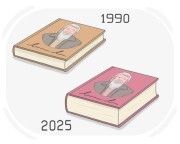
the specific form or version that a book, magazine, or similar publication is in
版, バージョン
a person or company that prepares and makes books, newspapers, magazines, or other works available to the public
出版社, 発行者
a textbook or workbook designed to teach and develop reading skills
読者, 読本
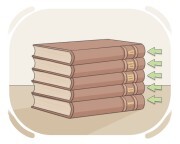
a single publication that is part of a set of similar works
巻, 冊
a genre of fiction that focuses on the lives, relationships, and personal growth of women, often with a lighthearted or romantic tone
女性向けライト小説
彼女はリラックスする方法としてチック lit小説を読むのを楽しんでいます。
a genre of science fiction set in a future dystopian society dominated by computer technology
サイバーパンク, コンピュータ・パンク

books, movies, etc. about imaginary things based on science
サイエンスフィクション, SF
彼は遠い銀河を舞台にしたSF小説を読むのが好きです。
a recurring element that is the main idea or subject in a literary or artistic piece
テーマ, モチーフ

a person who writes books, articles, etc., often as a job
著者, 作家
a plotline or a story element that runs throughout a larger narrative, connecting different events and characters together, often with a unifying theme or motif
物語の糸, プロットライン
a novel that focuses on the psychological and moral growth of its main character from youth to adulthood
教養小説, 成長小説
この小説は主人公の青年期から成人期までの成長の旅を追っており、ビルドゥングスロマン文学の古典的な例となっています。
a genre of literature, film, and other forms of media that focuses on the growth and development of a protagonist from youth to adulthood
a literary genre that uses self-reflexive techniques to draw attention to its status as a work of fiction, blurring the lines between reality and fiction
メタフィクション, 超小説
その小説はメタフィクションを用い、登場人物が作者の創造物としての存在を認めることで、フィクションと現実の境界線を曖昧にした。
a genre of prose fiction that depicts the adventures of a roguish hero or heroine, typically one of low social status, who lives by their wits in a corrupt society
ピカレスク小説, 冒険小説
a verse without rhyme, especially one with ten syllables and five stresses, known as an iambic pentameter
無韻詩, ブランクバース
a lyric poem, written in varied or irregular metrical form, for a particular object, person, or concept
頌歌, 抒情詩
詩人は自然の美しさを称えるために頌歌を書いた。
a verse of Italian origin that has 14 lines, usually in an iambic pentameter and a prescribed rhyme scheme
ソネット, 14行詩
彼は自分の考えをソネットの厳格な形式に当てはめるのに苦労した。
a Japanese poem with three unrhymed lines that have five, seven and five syllables each
俳句, 俳句の詩
彼女は季節の変化について俳句を書いた。

a long movie full of adventure that could be about a historical event
叙事詩, 叙事詩的映画
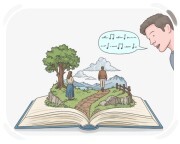
a tale that is narrated in the form of a song or poem
バラード, 物語歌
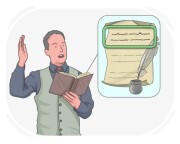
a series of lines in a poem, usually with recurring rhyme scheme and meter
連, スタンザ
その詩は4つの連で構成されており、それぞれが異なるテーマに従っていた。
a subject, image, idea, or phrase that recurs in a literary work
モチーフ, 主題
