
IELTS를 위한 어휘 (기본) - 언어와 문법
여기에서는 IELTS 시험에 필요한 "article", "determiner", "abbreviation" 등 언어와 문법에 관한 몇 가지 영어 단어를 배우게 됩니다.
리뷰
플래시카드
철자법
퀴즈

the shortened form of a word, etc.

약어, 줄임말
공식적인 글쓰기에서는 약어를 사용하기 전에 용어를 철자하는 것이 중요합니다.

(grammar) the voice in which the subject is the agent that does the action of the verb
능동태, 능동형
(grammar) a word or phrase that adds more information to another word in sense of time, manner, degree or cause
부사, 부사적 보어

the symbol ' used in writing to show possession or omission of letters or numbers
아포스트로피, 아포스트로피 기호
"it's"의 아포스트로피는 소유격인 "its"와 구별됩니다.
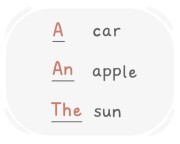
(grammar) any type of determiner that shows whether we are referring to a particular thing or a general example of something
관사

a verb that is used with other verbs to indicate tense, voice, etc., such as do, have, and be
조동사
조동사를 올바르게 사용하는 방법을 배우는 것은 복잡한 문장을 구성하는 능력을 크게 향상시킬 수 있습니다.

(grammar) a group of words that contains a subject and a verb and functions as a unit within a sentence
절, 구

a word or expression that connects words, phrases, or clauses
접속사
a short form of a word or a group of words used instead of the full form
축약, 축약형
축약형 "we've"는 "we have"를 의미합니다.
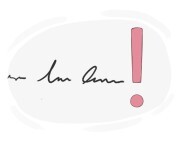
a punctuation symbol (!) placed after a word, phrase, or sentence to indicate strong feeling or emphasis
느낌표, 느낌표
그의 메시지는 강조를 위해 단일 느낌표로 끝났다.
connected to the rules or the study of grammar
문법적인, 문법과 관련된
문장의 문법적 구조에는 주어, 동사 및 목적어와 같은 구성 요소가 포함됩니다.
(grammar) a verb or verb phrase that expresses an order to do something
명령법 동사, 명령법
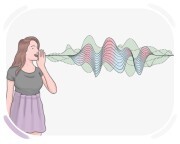
(phonetics) the rising and falling of the voice when speaking
억양
(grammar) a verb without a direct object
자동사, 직접 목적어가 없는 동사
문장 "그는 잔다"에서 "잔다"는 직접 목적어가 필요 없기 때문에 자동사입니다.
(grammar) a verb that needs a direct object
타동사, 직접 목적어가 필요한 동사
"그녀는 사과를 먹었다"라는 문장에서 "먹었다"는 타동사이고, "사과"는 직접 목적어입니다.
(grammar) any of the grammatical classes that words are categorized into, based on their usage in a sentence
(in grammar) the form of a verb used when the grammatical subject is affected by the action of the verb, rather than performing it
수동태, 피동형
수동태는 때로는 문장을 더 공식적이거나 비인간적으로 들리게 할 수 있습니다.

the symbol (.) used to end a declarative sentence or mark an abbreviation
마침표, 문장 끝 점

(grammar) a letter or a set of letters that are added to the beginning of a word to alter its meaning and make a new word
접두사
사전은 단어 형성과 이해를 돕기 위해 접두사와 그 의미 목록을 제공했습니다.

(grammar) a letter or a set of letters that are added to the end of a word to alter its meaning and make a new word
접미사, 어미
학생들은 의미가 어떻게 변하는지 보기 위해 어근에 다양한 접미사를 추가하는 연습을 했습니다.
(grammar) describing a word that indicates that the action of the verb affects the agent performing it
재귀적인, 반사적인
(grammar) referring to a noun, clause or sentence that has come before
상대적인

to say the exact sentence or group of words someone else used in a movie, book, etc.
인용하다, 따옴
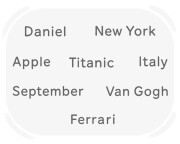
(grammar) the name of a place, person, country, etc. with its first letter capitalized
고유 명사, 특정 명사
고유명사는 글과 말에서 특정 개체를 구별하는 데 중요합니다.
(grammar) a noun that refers to an object or a concept in a category but not to a specific one
보통 명사, 일반 명사

either of the symbols " " or ' ' used before and after a word or words to indicate the beginning and the end of a title or quoted remark, or to mark a jargon
따옴표, 인용 부호
선생님은 언제 단일 따옴표 대신 이중 따옴표를 사용해야 하는지 설명했습니다.
(in grammar) a phrase or word that receives the action of a verb
목적어, 직접 목적어
(grammar) a noun that denotes a general quality or an idea, rather than a physical object or real world event
추상 명사, 추상적 명사
