
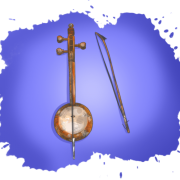
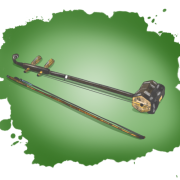
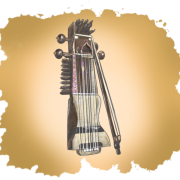
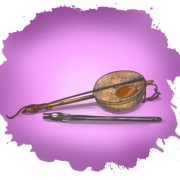
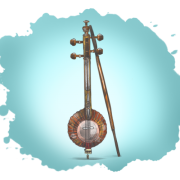

Bowed String Instruments
Violin - Musical Instruments
 intermediate
Explore how bowed string instruments, such as the violin, viola, and cello, produce sound through bowing techniques while enhancing your English skills.
1
hoofdstuk

The Violin: A Timeless Instrument
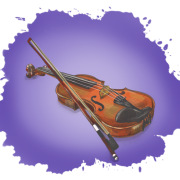
De viool is een van de meest expressieve en veelzijdige instrumenten ter wereld, bekend om zijn vermogen om een breed scala aan emoties op te roepen. Van de grote concertzalen van klassieke muziek tot de levendige melodieën van folk en moderne genres, de rijke, resonerende klank van de viool heeft het publiek al eeuwenlang gefascineerd. De geschiedenis ervan is diep verweven met de evolutie van muziek zelf, en het ontwerp en vakmanschap ervan zijn over generaties heen geperfectioneerd.


The History of the Violin
De viool werd voor het eerst gemaakt in de 16e eeuw in Noord-Italië. Veel historici geloven dat de viool is geëvolueerd uit oudere snaarinstrumenten zoals de middeleeuwse vedel en de rebec. Een van de eerste vioolbouwers was een man genaamd "Andrea Amati". Hij wordt vaak de "vader van de moderne viool" genoemd omdat hij de eerste instrumenten maakte die eruitzien en klinken zoals de violen die we vandaag kennen.
Interessant genoeg werd de viool niet altijd zo genoemd. In de beginjaren werd het aangeduid met verschillende namen afhankelijk van de regio, zoals "violino" in het Italiaans, wat "kleine viola" betekent. In de loop der tijd werd de naam "viool" de standaardterm in veel talen.
De viool werd snel populair in heel Europa vanwege zijn veelzijdigheid. Het kon worden gebruikt om zowel levendige dansmuziek als langzame, emotionele melodieën te spelen. Tegen de 18e eeuw schreven beroemde componisten zoals "Antonio Vivaldi" en "Johann Sebastian Bach" prachtige muziek voor de viool. Dit hielp het instrument nog meer populariteit te winnen.
How a Violin is Made
Een viool maken is een heel delicaat proces. Het is een kunst die van generatie op generatie is doorgegeven. Violen worden meestal gemaakt van hout, zoals spar en esdoorn. De bovenkant van de viool wordt de buik genoemd en is gemaakt van spar omdat dit hout een helder en helder geluid produceert. De achterkant en zijkanten zijn gemaakt van esdoorn, wat de viool zijn warme toon geeft.
De maker, die een luthier wordt genoemd, hout het hout zorgvuldig om de perfecte vorm te creëren. De viool moet sterk maar ook lichtgewicht zijn zodat hij mooie geluiden kan produceren. Zodra de body compleet is, voegt de luthier de snaren, de toets en de strijkstok toe. De snaren zijn gemaakt van staal of synthetische materialen, maar in het verleden waren ze gemaakt van schapendarmen!
Een interessant kenmerk van de viool is de ziel. Dit is een klein houten staafje in het instrument dat helpt bij het overbrengen van de trillingen van de snaren naar het lichaam. Zonder de ziel zou de viool zijn rijke en resonerende toon niet produceren.
The Role of the Violin in Music
De viool staat bekend om zijn veelzijdigheid. Hij kan in veel verschillende muziekstijlen worden bespeeld, van klassiek tot folk en zelfs jazz. In een orkest speelt de viool vaak de melodie vanwege zijn heldere en expressieve geluid. Een groep violen in een orkest wordt een sectie genoemd. Samen creëren ze een krachtig en harmonieus geluid.
In volksmuziek wordt de viool soms een fiddle genoemd. Fiddle-spelers gebruiken hetzelfde instrument als klassieke violisten, maar ze spelen in een meer ontspannen stijl. Ze tappen bijvoorbeeld vaak met hun voeten tijdens het spelen om het ritme te houden. De viool wordt ook gebruikt in moderne muziekgenres zoals rock en pop. Beroemde muzikanten zoals "Lindsey Stirling" hebben laten zien dat de viool net zo opwindend kan zijn als een elektrische gitaar.
Learning to Play the Violin
Leren viool spelen is niet gemakkelijk, maar het kan zeer lonend zijn. Beginners beginnen meestal met eenvoudige oefeningen om te leren hoe ze het instrument en de strijkstok correct moeten vasthouden. Na verloop van tijd oefenen ze toonladders en liedjes om hun techniek te verbeteren. Het kost vele uren oefening om bedreven te worden in het bespelen van de viool.
Een uitdaging voor nieuwe vioolspelers is het leren produceren van een helder geluid. De strijkstok moet soepel over de snaren glijden, en de vingers moeten met de juiste hoeveelheid druk op de snaren drukken. Er wordt vaak gezegd dat vioolspelen als koorddansen is. Echter, zodra een speler deze vaardigheden onder de knie heeft, kunnen ze muziek maken die het hart raakt.
Famous Violinists
Door de geschiedenis heen zijn er veel beroemde violisten geweest die het publiek hebben verbaasd met hun talent. Een van de meest bekende violisten aller tijden is "Niccolò Paganini". Hij werd in 1782 in Italië geboren en stond bekend om zijn ongelooflijke snelheid en technische vaardigheid. Mensen zeiden vaak dat zijn spel zo buitengewoon was dat het bijna magisch leek.


Een andere beroemde violist is "Itzhak Perlman", die wordt bewonderd om zijn warme toon en expressieve spel. Hij heeft opgetreden met enkele van de beste orkesten ter wereld en heeft veel jonge musici geïnspireerd om viool te leren. "Midori Goto" is een andere bekende violiste. Ze begon professioneel op te treden toen ze pas 11 jaar oud was en blijft het publiek verbazen met haar talent.
Fun Fact: The Most Expensive Violin in the World
Wist je dat de duurste viool ooit verkocht de «Vieuxtemps Guarneri del Gesù» heette? Hij werd in 1741 gemaakt door «Giuseppe Guarneri», een van de grootste vioolbouwers uit de geschiedenis. Deze viool werd verkocht voor maar liefst 16 miljoen dollar! Wat maakt hem zo bijzonder? Het is niet alleen de leeftijd van de viool, maar ook de geluidskwaliteit. Veel experts geloven dat geen enkel modern instrument de rijke en krachtige toon kan evenaren. De viool is zo waardevol dat hij vaak wordt uitgeleend aan professionele muzikanten die veel zorg besteden aan het behoud van de conditie.
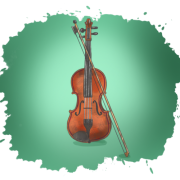
1. Violin
Bowed String Instruments
100%
What is the main reason the violin became popular across Europe?
It was easy to learn.
It was cheap to make.
It was versatile and could be used for different styles of music.
It was louder than other instruments.
Arrange the steps of making a violin in the correct order:
Match each person with their contribution to the violin world:
Complete the sentences about violin materials.
Violins are usually made from different types of wood. The
is used for the top because it produces a clear sound. The back and sides are made from
to give the violin its warm tone. In the past, violin strings were made from
, but today they are made from steel or synthetic materials.
Complete the missing information about the violin’s role in music.
| Music Style | Violin's Role |
|---|---|
Classical | Often plays the in orchestras |
Folk | Called a , played in a casual style |
Modern | Used in and pop music (e.g., Lindsey Stirling) |
Which statement is TRUE?
The violin was invented in Germany.
Learning the violin is easy.
The violin is only used in classical music.
The violin is used in many different music styles.
Which statement is FALSE?
The most expensive violin ever sold was the Vieuxtemps Guarneri del Gesù.
Violins are always made from plastic.
Andrea Amati was an early violin maker.
Violins were once called "violino" in Italian.