Food Industry
Chef - Jobs
 intermediate
Boost your English while exploring how the food industry grows, prepares, and innovates to feed people around the world.
1
rozdział

Chef
Read a passage about crafting dishes and managing kitchens to discover the creativity and skill behind preparing exceptional meals.
The Role of a Chef
The Role of a Chef
A chef is a skilled professional who works in the kitchen to create delicious meals. This job is not just about cooking; it is also about managing the kitchen, planning menus, and making sure every dish is perfect. Chefs work in restaurants, hotels, catering companies, and even private homes. Their job requires creativity, organization, and a love for food.
Szef kuchni to wykwalifikowany profesjonalista, który pracuje w kuchni, aby tworzyć pyszne posiłki. Ta praca nie polega tylko na gotowaniu; chodzi również o zarządzanie kuchnią, planowanie menu i upewnienie się, że każde danie jest idealne. Szefowie kuchni pracują w restauracjach, hotelach, firmach cateringowych, a nawet w prywatnych domach. Ich praca wymaga kreatywności, organizacji i miłości do jedzenia.
Being a chef is often described as working in the heart of the restaurant. The kitchen can be a busy place, and a chef must stay calm under pressure. Timing is everything because meals need to be served hot and fresh. Chefs also need to work well with their team, including cooks and assistants. Everyone in the kitchen plays an important role in delivering excellent meals to customers.
Bycie szefem kuchni często opisuje się jako pracę w sercu restauracji. Kuchnia może być ruchliwym miejscem, a szef kuchni musi zachować spokój pod presją. Czas jest wszystkim, ponieważ posiłki muszą być podawane gorące i świeże. Szefowie kuchni muszą również dobrze współpracować ze swoim zespołem, w tym z kucharzami i asystentami. Każdy w kuchni odgrywa ważną rolę w dostarczaniu doskonałych posiłków klientom.
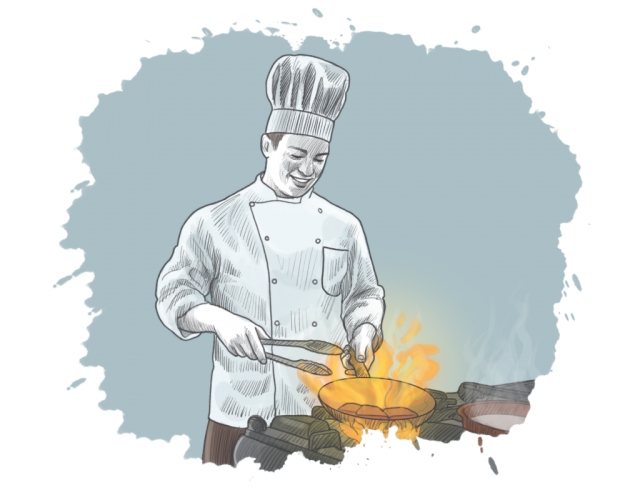
The Journey to Becoming a Chef
The Journey to Becoming a Chef
Becoming a chef takes time, effort, and dedication. Most chefs start their journey by learning basic cooking skills. Some go to culinary schools where they study cooking techniques, food safety, and nutrition. Others begin as kitchen assistants and learn on the job. Either way, practice is essential for mastering the art of cooking.
Zostanie szefem kuchni wymaga czasu, wysiłku i poświęcenia. Większość szefów kuchni rozpoczyna swoją podróż od nauki podstawowych umiejętności kulinarnych. Niektórzy uczęszczają do szkół kulinarnych, gdzie uczą się technik gotowania, bezpieczeństwa żywności i żywienia. Inni zaczynają jako pomocnicy kuchenni i uczą się w pracy. W każdym razie praktyka jest niezbędna do opanowania sztuki gotowania.
Experience is one of the best teachers for a chef. Many chefs work in different kitchens to gain knowledge about various types of food. For example, a chef might work in an Italian restaurant to learn how to make pasta or in a Japanese restaurant to learn about sushi. This experience helps chefs develop their own unique style of cooking.
Doświadczenie jest jednym z najlepszych nauczycieli dla szefa kuchni. Wielu szefów kuchni pracuje w różnych kuchniach, aby zdobyć wiedzę na temat różnych rodzajów żywności. Na przykład, szef kuchni może pracować we włoskiej restauracji, aby nauczyć się robić makaron lub w japońskiej restauracji, aby nauczyć się o sushi. To doświadczenie pomaga szefom kuchni rozwijać swój własny, unikalny styl gotowania.
Types of Chefs
Types of Chefs
There are many types of chefs in a professional kitchen, each with specific duties that help the kitchen run smoothly. The Executive Chef is the leader, planning menus, supervising the team, and ensuring the food meets high standards. They rarely cook, focusing instead on management and creativity. The Sous Chef, or second-in-command, works closely with the Executive Chef, helping manage the kitchen and taking charge when needed. The Pastry Chef specializes in desserts, bread, and baked goods, requiring precision and a talent for decoration.
W profesjonalnej kuchni istnieje wiele typów szefów kuchni, każdy z określonymi obowiązkami, które pomagają w płynnym funkcjonowaniu kuchni. Szef Kuchni Wykonawczej jest liderem, planuje menu, nadzoruje zespół i zapewnia, że jedzenie spełnia wysokie standardy. Rzadko gotują, skupiając się na zarządzaniu i kreatywności. Sous Chef, czyli drugi dowódca, ściśle współpracuje z Szefem Kuchni Wykonawczej, pomagając w zarządzaniu kuchnią i przejmując dowodzenie w razie potrzeby. Cukiernik specjalizuje się w deserach, pieczywie i wypiekach, wymagając precyzji i talentu do dekoracji.
Another essential role is the Line Chef, also called a Line Cook, who prepares specific dishes during meal service. For example, a grill chef handles all grilled dishes, while a sauté chef prepares foods cooked in a pan. Each type of chef plays a vital role, and together they create a team that ensures every meal is a success.
Kolejną istotną rolą jest Szef Linii, zwany także Kucharzem Linii, który przygotowuje określone dania podczas serwowania posiłków. Na przykład, szef grilla zajmuje się wszystkimi daniami z grilla, podczas gdy szef sauté przygotowuje potrawy gotowane na patelni. Każdy rodzaj szefa kuchni odgrywa kluczową rolę, a razem tworzą zespół, który zapewnia sukces każdego posiłku.
The Daily Life of a Chef
The Daily Life of a Chef
A chef's day starts early and often ends late. They begin by checking the ingredients to ensure everything is fresh and of high quality. Planning the menu is another important task. A chef decides which dishes will be served based on the season, available ingredients, and customer preferences.
Dzień szefa kuchni zaczyna się wcześnie i często kończy późno. Zaczynają od sprawdzenia składników, aby upewnić się, że wszystko jest świeże i wysokiej jakości. Planowanie menu to kolejne ważne zadanie. Szef kuchni decyduje, jakie dania będą serwowane w oparciu o sezon, dostępne składniki i preferencje klientów.
During meal preparation, the kitchen becomes a hive of activity. Chefs supervise their team, taste the food, and make adjustments as needed. They also pay attention to presentation because how a dish looks is just as important as how it tastes. After service, chefs often review the day's work and plan for the next day.
Podczas przygotowywania posiłków kuchnia staje się centrum aktywności. Szefowie kuchni nadzorują swój zespół, próbują jedzenia i wprowadzają niezbędne poprawki. Zwracają również uwagę na prezentację, ponieważ to, jak danie wygląda, jest tak samo ważne, jak smakuje. Po serwisie szefowie kuchni często przeglądają pracę dnia i planują na następny dzień.
Skills Every Chef Needs
Skills Every Chef Needs
Cooking is at the heart of a chef's job, but there is more to the role than cooking. Chefs need excellent communication skills to work with their team and manage the kitchen. They also need to solve problems quickly. If an ingredient is missing or a dish is not turning out as expected, the chef must find a solution on the spot.
Gotowanie jest sercem pracy szefa kuchni, ale rola ta obejmuje więcej niż tylko gotowanie. Szefowie kuchni potrzebują doskonałych umiejętności komunikacyjnych, aby pracować ze swoim zespołem i zarządzać kuchnią. Muszą również szybko rozwiązywać problemy. Jeśli brakuje składnika lub danie nie wychodzi zgodnie z oczekiwaniami, szef kuchni musi znaleźć rozwiązanie na miejscu.
Attention to detail is another important skill. A small mistake, such as forgetting to add salt, can change the flavor of a dish completely. Chefs also need to be creative. They often come up with new recipes or find ways to improve traditional dishes.
Uwaga do szczegółów to kolejna ważna umiejętność. Mały błąd, taki jak zapomnienie o dodaniu soli, może całkowicie zmienić smak potrawy. Szefowie kuchni muszą być również kreatywni. Często wymyślają nowe przepisy lub znajdują sposoby na ulepszenie tradycyjnych dań.

Famous Types of Cuisine
Famous Types of Cuisine
Chefs often specialize in a particular type of cuisine, such as French, Chinese, or Indian. French cuisine is known for its sauces and pastries. Chinese cuisine often uses fresh vegetables, rice, and bold flavors. Indian cuisine is famous for its spices and curries. Each cuisine has its own techniques and traditions, and chefs must learn these to excel in their field.
Szefowie kuchni często specjalizują się w określonym rodzaju kuchni, takiej jak francuska, chińska czy indyjska. Kuchnia francuska znana jest z sosów i wypieków. Kuchnia chińska często wykorzystuje świeże warzywa, ryż i śmiałe smaki. Kuchnia indyjska słynie z przypraw i curry. Każda kuchnia ma swoje własne techniki i tradycje, a szefowie kuchni muszą się ich nauczyć, aby osiągnąć doskonałość w swojej dziedzinie.
Fusion cuisine is another exciting area. This is when chefs combine elements from different cuisines to create something new. For example, a chef might mix Japanese and Mexican flavors to make sushi tacos. This creativity allows chefs to explore endless possibilities in the kitchen.
Kuchnia fusion to kolejna ekscytująca dziedzina. To wtedy, gdy szefowie kuchni łączą elementy z różnych kuchni, aby stworzyć coś nowego. Na przykład, szef kuchni może połączyć japońskie i meksykańskie smaki, aby zrobić sushi taco. Ta kreatywność pozwala szefom kuchni odkrywać nieskończone możliwości w kuchni.
Great Chefs in History
Great Chefs in History
Throughout history, many chefs have left their mark on the culinary world. One famous example is "Auguste Escoffier," often called the "King of Chefs" and "Chef of Kings." He modernized French cuisine and introduced methods still used in kitchens today. Another legendary chef is "Julia Child," who introduced French cooking to English-speaking audiences with her books and television shows. These chefs and others like them have inspired generations of cooks to pursue excellence in the kitchen.
Na przestrzeni dziejów wielu szefów kuchni pozostawiło swój ślad w kulinarnym świecie. Sławnym przykładem jest „Auguste Escoffier”, często nazywany „Królem Szefów Kuchni” i „Szefem Kuchni Królów”. Zmodernizował kuchnię francuską i wprowadził metody wciąż używane w kuchniach. Innym legendarnym szefem kuchni jest „Julia Child”, która za pomocą swoich książek i programów telewizyjnych wprowadziła francuską kuchnię do anglojęzycznej publiczności. Ci szefowie kuchni i inni tacy jak oni zainspirowali pokolenia kucharzy do dążenia do doskonałości w kuchni.
The Challenges of Being a Chef
The Challenges of Being a Chef
The life of a chef is not all glamour. The kitchen can be a hot and stressful environment. Chefs often work long hours, including evenings, weekends, and holidays. This job also requires physical stamina because chefs spend most of their time on their feet.
Życie szefa kuchni to nie tylko glamour. Kuchnia może być gorącym i stresującym środowiskiem. Szefowie kuchni często pracują długie godziny, w tym wieczory, weekendy i święta. Ta praca wymaga również wytrzymałości fizycznej, ponieważ szefowie kuchni spędzają większość czasu na nogach.
Despite these challenges, many chefs find their work rewarding. There is a sense of pride in creating dishes that bring joy to others. A chef's job is not just about feeding people; it is about creating experiences and memories.
Pomimo tych wyzwań, wielu szefów kuchni uważa swoją pracę za satysfakcjonującą. Jest duma w tworzeniu dań, które przynoszą radość innym. Praca szefa kuchni nie polega tylko na karmieniu ludzi; chodzi o tworzenie doświadczeń i wspomnień.
Fun Fact: The Story Behind the Chef's Hat
Fun Fact: The Story Behind the Chef's Hat
Did you know the chef's hat, called a "toque," has 100 folds? Each fold is said to represent a different way to cook an egg. This tradition began in France, where chefs valued precision and mastery. The toque is more than just a hat—it is a symbol of a chef's knowledge and experience. Even today, many chefs wear this hat as part of their uniform, honoring the history and pride of their profession.
Czy wiesz, że kapelusz szefa kuchni, zwany "toque", ma 100 fałd? Mówi się, że każda fałda reprezentuje inny sposób gotowania jajka. Ta tradycja rozpoczęła się we Francji, gdzie szefowie kuchni cenili precyzję i mistrzostwo. Toque to więcej niż tylko kapelusz — to symbol wiedzy i doświadczenia szefa kuchni. Nawet dziś wielu szefów kuchni nosi ten kapelusz jako część swojego uniformu, oddając hołd historii i dumie swojego zawodu.

1. Chef
Food Industry
0%
What is the main responsibility of an Executive Chef?
Baking cakes and bread
Serving food to customers
Supervising the team and planning menus
Washing dishes and cleaning the kitchen
Sort the following steps to becoming a chef in the correct order.
Which of the following are roles found in a professional kitchen? (Choose all that apply)
Executive Chef
Grill Chef
Dish Designer
Pastry Chef
Nutrition Inspector
Frying Supervisor
Sous Chef
Complete the table about types of chefs and their roles based on the provided information.
| Role | Chef |
|---|---|
Plans the menu and supervises the team | |
Specializes in desserts and baked goods | |
Second-in-command in the kitchen | |
Prepares assigned items during meal service |
Match the type of chef with their role.
Which of the following cuisines is especially known for spices and curries?
French cuisine
Chinese cuisine
American cuisine
Indian cuisine
Fill in the blanks with the correct words from the text (There are four extra options).
The
is often described as the heart of the restaurant.
The
Chef is the second-in-command and helps manage the kitchen.
Chefs check that
are fresh and of high quality before starting their day.
Chefs specializing in
cuisine often use rich sauces and pastries.
The traditional chef's hat is called a
and has 100 folds.
Match the cuisine with what it is known for.
Which of the following statements are true according to the passage? (Choose all that apply)
Culinary school is one way to begin a chef's career.
Chefs need to work alone to stay focused.
French cuisine is famous for sauces and pastries.
The kitchen is often a fast-paced and stressful place.
Chefs usually wear white gloves while cooking.
Some chefs develop fusion dishes using different cuisines.
Julia Child helped popularize Italian cuisine worldwide.
What does each fold in a chef's hat (toque) traditionally represent?
One recipe the chef has memorized
A different way to cook an egg
A type of pastry
A famous chef from history