

Bowed String Instruments
Violin - Musical Instruments
 intermediate
Explore how bowed string instruments, such as the violin, viola, and cello, produce sound through bowing techniques while enhancing your English skills.
1
rozdział

The Violin: A Timeless Instrument
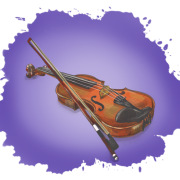
Skrzypce to jeden z najbardziej ekspresyjnych i wszechstronnych instrumentów na świecie, znany ze swojej zdolności do wywoływania szerokiego zakresu emocji. Od wielkich sal koncertowych muzyki klasycznej po żywe melodie folkowe i współczesne gatunki, bogaty, rezonujący dźwięk skrzypiec od wieków fascynuje publiczność. Ich historia jest głęboko powiązana z ewolucją samej muzyki, a ich projekt i rzemiosło zostały udoskonalone na przestrzeni pokoleń.


The History of the Violin
Skrzypce zostały po raz pierwszy stworzone w XVI wieku w północnych Włoszech. Wielu historyków uważa, że skrzypce wyewoluowały ze starszych instrumentów strunowych, takich jak średniowieczne fiddle i rebec. Jednym z pierwszych twórców skrzypiec był człowiek o imieniu "Andrea Amati". Często nazywany jest "ojcem współczesnych skrzypiec", ponieważ stworzył pierwsze instrumenty, które wyglądają i brzmią jak skrzypce, które znamy dzisiaj.
Co ciekawe, skrzypce nie zawsze nazywano w ten sposób. W pierwszych latach określano je różnymi nazwami w zależności od regionu, np. "violino" po włosku, co oznacza "mała viola". Z czasem nazwa "skrzypce" stała się standardowym określeniem w wielu językach.
Skrzypce szybko stały się popularne w całej Europie dzięki swojej wszechstronności. Można było na nich grać zarówno żywą muzykę taneczną, jak i wolne, emocjonalne melodie. W XVIII wieku słynni kompozytorzy tacy jak "Antonio Vivaldi" i "Johann Sebastian Bach" pisali piękną muzykę na skrzypce. To pomogło instrumentowi zyskać jeszcze większą popularność.
How a Violin is Made
Wykonanie skrzypiec to bardzo delikatny proces. To sztuka, która jest przekazywana z pokolenia na pokolenie. Skrzypce są zwykle wykonane z drewna, takiego jak świerk i klon. Górna część skrzypiec nazywa się deką i jest wykonana ze świerku, ponieważ to drewno daje czysty i jasny dźwięk. Tył i boki są wykonane z klonu, co nadaje skrzypcom ich ciepły ton.
Twórca, zwany lutnikiem, starannie rzeźbi drewno, aby stworzyć idealny kształt. Skrzypce muszą być mocne, ale także lekkie, aby mogły wydobywać piękne dźwięki. Gdy korpus jest gotowy, lutnik dodaje struny, podstrunnicę i smyczek. Struny są wykonane ze stali lub materiałów syntetycznych, ale w przeszłości były robione z owczych jelit!
Jedną z ciekawych cech skrzypiec jest dusza. Jest to mały drewniany kijek wewnątrz instrumentu, który pomaga przenieść wibracje strun na korpus. Bez duszy skrzypce nie wydawałyby swojego bogatego i rezonansowego dźwięku.
The Role of the Violin in Music
Skrzypce znane są ze swojej wszechstronności. Można na nich grać w wielu różnych stylach muzycznych, od klasyki po folk, a nawet jazz. W orkiestrze skrzypce często grają melodię ze względu na swój jasny i ekspresyjny dźwięk. Grupa skrzypiec w orkiestrze nazywana jest sekcją. Razem tworzą potężny i harmonijny dźwięk.
W muzyce folkowej skrzypce są czasami nazywane fiddle. Gracze na fiddle używają tego samego instrumentu co klasyczni skrzypkowie, ale grają w bardziej swobodnym stylu. Na przykład, często tupią nogami podczas gry, aby utrzymać rytm. Skrzypce są również używane w nowoczesnych gatunkach muzycznych, takich jak rock i pop. Znani muzycy, tacy jak "Lindsey Stirling", pokazali, że skrzypce mogą być równie ekscytujące co gitara elektryczna.
Learning to Play the Violin
Nauka gry na skrzypcach nie jest łatwa, ale może być bardzo satysfakcjonująca. Początkujący zwykle zaczynają od prostych ćwiczeń, aby nauczyć się prawidłowo trzymać instrument i smyczek. Z czasem ćwiczą gamy i utwory, aby poprawić swoją technikę. Wymaga to wielu godzin praktyki, aby stać się biegłym w grze na skrzypcach.
Jednym z wyzwań dla nowych skrzypków jest nauka wydobycia czystego dźwięku. Smyczek musi płynnie przesuwać się po strunach, a palce muszą naciskać struny z odpowiednią siłą. Często mówi się, że granie na skrzypcach jest jak chodzenie po linie. Jednak gdy gracz opanuje te umiejętności, może tworzyć muzykę, która porusza serce.
Famous Violinists
Na przestrzeni historii było wielu słynnych skrzypków, którzy zachwycali publiczność swoim talentem. Jednym z najbardziej znanych skrzypków wszech czasów jest "Niccolò Paganini". Urodził się we Włoszech w 1782 roku i był znany z niesamowitej szybkości i umiejętności technicznych. Ludzie często mówili, że jego gra była tak niezwykła, że wydawała się niemal magiczna.


Innym słynnym skrzypkiem jest "Itzhak Perlman", podziwiany za swój ciepły ton i ekspresyjną grę. Występował z niektórymi z najlepszych orkiestr na świecie i zainspirował wielu młodych muzyków do nauki gry na skrzypcach. "Midori Goto" to kolejna znana skrzypaczka. Zaczęła występować zawodowo, gdy miała zaledwie 11 lat i nadal zadziwia publiczność swoim talentem.
Fun Fact: The Most Expensive Violin in the World
Czy wiesz, że najdroższe skrzypce, jakie kiedykolwiek sprzedano, nazywały się «Vieuxtemps Guarneri del Gesù»? Zostały wykonane w 1741 roku przez «Giuseppe Guarneriego», jednego z największych lutników w historii. Te skrzypce sprzedano za zdumiewające 16 milionów dolarów! Co sprawia, że są tak wyjątkowe? To nie tylko wiek skrzypiec, ale także jakość ich dźwięku. Wielu ekspertów uważa, że żaden nowoczesny instrument nie może dorównać ich bogatemu i potężnemu brzmieniu. Skrzypce są tak cenne, że często pożycza się je profesjonalnym muzykom, którzy dbają o zachowanie ich stanu.
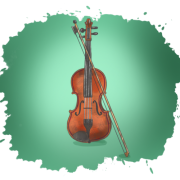
1. Violin
Bowed String Instruments
100%
What is the main reason the violin became popular across Europe?
It was easy to learn.
It was cheap to make.
It was versatile and could be used for different styles of music.
It was louder than other instruments.
Arrange the steps of making a violin in the correct order:
Match each person with their contribution to the violin world:
Complete the sentences about violin materials.
Violins are usually made from different types of wood. The
is used for the top because it produces a clear sound. The back and sides are made from
to give the violin its warm tone. In the past, violin strings were made from
, but today they are made from steel or synthetic materials.
Complete the missing information about the violin’s role in music.
| Music Style | Violin's Role |
|---|---|
Classical | Often plays the in orchestras |
Folk | Called a , played in a casual style |
Modern | Used in and pop music (e.g., Lindsey Stirling) |
Which statement is TRUE?
The violin was invented in Germany.
Learning the violin is easy.
The violin is only used in classical music.
The violin is used in many different music styles.
Which statement is FALSE?
The most expensive violin ever sold was the Vieuxtemps Guarneri del Gesù.
Violins are always made from plastic.
Andrea Amati was an early violin maker.
Violins were once called "violino" in Italian.