
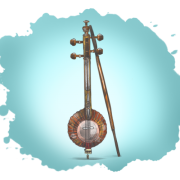

Bowed String Instruments
Violin - Musical Instruments
 intermediate
Explore how bowed string instruments, such as the violin, viola, and cello, produce sound through bowing techniques while enhancing your English skills.
1
capítulo

The Violin: A Timeless Instrument
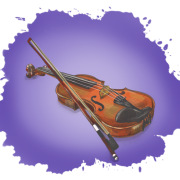
O violino é um dos instrumentos mais expressivos e versáteis do mundo, conhecido por sua capacidade de evocar uma ampla gama de emoções. Dos grandes salões de concerto da música clássica às melodias animadas dos gêneros folclóricos e modernos, o som rico e ressonante do violino tem cativado o público há séculos. Sua história está profundamente entrelaçada com a evolução da própria música, e seu design e artesanato foram aperfeiçoados ao longo das gerações.


The History of the Violin
O violino foi criado pela primeira vez no século XVI no norte da Itália. Muitos historiadores acreditam que o violino evoluiu de instrumentos de cordas mais antigos, como o fiddle medieval e o rebec. Um dos primeiros fabricantes de violino foi um homem chamado "Andrea Amati". Ele é frequentemente chamado de "pai do violino moderno" porque criou os primeiros instrumentos que se parecem e soam como os violinos que conhecemos hoje.
Curiosamente, o violino nem sempre foi chamado por este nome. Nos seus primeiros anos, era referido por nomes diferentes dependendo da região, como "violino" em italiano, que significa "pequena viola". Com o tempo, o nome "violino" tornou-se o termo padrão em muitos idiomas.
O violino rapidamente se tornou popular em toda a Europa devido à sua versatilidade. Podia ser usado para tocar tanto música de dança animada quanto melodias lentas e emocionais. No século XVIII, compositores famosos como "Antonio Vivaldi" e "Johann Sebastian Bach" estavam escrevendo belas músicas para o violino. Isso ajudou o instrumento a ganhar ainda mais popularidade.
How a Violin is Made
Fazer um violino é um processo muito delicado. É uma arte que tem sido passada de geração em geração. Os violinos são geralmente feitos de madeira, como abeto e bordo. A parte superior do violino é chamada de tampo, e é feita de abeto porque esta madeira produz um som claro e brilhante. As costas e os lados são feitos de bordo, o que dá ao violino o seu tom quente.
O fabricante, que é chamado de luthier, esculpe a madeira cuidadosamente para criar a forma perfeita. O violino deve ser forte, mas também leve para que possa produzir sons bonitos. Uma vez que o corpo esteja completo, o luthier adiciona as cordas, o braço e o arco. As cordas são feitas de aço ou materiais sintéticos, mas no passado, eram feitas de intestino de ovelha!
Uma característica interessante do violino é o espelho. Este é um pequeno bastão de madeira dentro do instrumento que ajuda a transferir as vibrações das cordas para o corpo. Sem o espelho, o violino não produziria seu tom rico e ressonante.
The Role of the Violin in Music
O violino é conhecido por sua versatilidade. Pode ser tocado em muitos estilos diferentes de música, desde o clássico até o folk e até mesmo o jazz. Em uma orquestra, o violino frequentemente toca a melodia devido ao seu som brilhante e expressivo. Um grupo de violinos em uma orquestra é chamado de seção. Juntos, eles criam um som poderoso e harmonioso.
Na música folk, o violino às vezes é chamado de fiddle. Os tocadores de fiddle usam o mesmo instrumento que os violinistas clássicos, mas tocam em um estilo mais casual. Por exemplo, eles frequentemente batem o pé enquanto tocam para manter o ritmo. O violino também é usado em gêneros musicais modernos como rock e pop. Músicos famosos como "Lindsey Stirling" mostraram que o violino pode ser tão emocionante quanto uma guitarra elétrica.
Learning to Play the Violin
Aprender a tocar violino não é fácil, mas pode ser muito gratificante. Os iniciantes geralmente começam com exercícios simples para aprender a segurar o instrumento e o arco corretamente. Com o tempo, eles praticam escalas e músicas para melhorar sua técnica. São necessárias muitas horas de prática para se tornar habilidoso em tocar violino.
Um desafio para novos violinistas é aprender a produzir um som limpo. O arco deve deslizar suavemente pelas cordas, e os dedos devem pressionar as cordas com a quantidade certa de pressão. Muitas vezes diz-se que tocar violino é como andar na corda bamba. No entanto, uma vez que um jogador domina essas habilidades, ele pode criar música que toca o coração.
Famous Violinists
Ao longo da história, houve muitos violinistas famosos que maravilharam o público com seu talento. Um dos violinistas mais conhecidos de todos os tempos é "Niccolò Paganini". Ele nasceu na Itália em 1782 e era conhecido por sua incrível velocidade e habilidade técnica. As pessoas costumavam dizer que sua maneira de tocar era tão extraordinária que parecia quase mágica.


Outro violinista famoso é "Itzhak Perlman", admirado por seu tom quente e tocada expressiva. Ele se apresentou com algumas das melhores orquestras do mundo e inspirou muitos jovens músicos a aprender violino. "Midori Goto" é outra violinista conhecida. Ela começou a se apresentar profissionalmente quando tinha apenas 11 anos de idade e continua a surpreender o público com seu talento.
Fun Fact: The Most Expensive Violin in the World
Sabia que o violino mais caro já vendido se chamava «Vieuxtemps Guarneri del Gesù»? Foi fabricado em 1741 por «Giuseppe Guarneri», um dos maiores construtores de violinos da história. Este violino foi vendido por uns impressionantes 16 milhões de dólares! O que o torna tão especial? Não é apenas a idade do violino, mas também a qualidade do seu som. Muitos especialistas acreditam que nenhum instrumento moderno consegue igualar o seu tom rico e poderoso. O violino é tão valioso que é frequentemente emprestado a músicos profissionais que têm muito cuidado em preservar o seu estado.
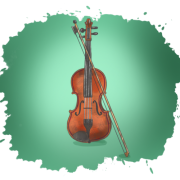
1. Violin
Bowed String Instruments
100%
What is the main reason the violin became popular across Europe?
It was easy to learn.
It was cheap to make.
It was versatile and could be used for different styles of music.
It was louder than other instruments.
Arrange the steps of making a violin in the correct order:
Match each person with their contribution to the violin world:
Complete the sentences about violin materials.
Violins are usually made from different types of wood. The
is used for the top because it produces a clear sound. The back and sides are made from
to give the violin its warm tone. In the past, violin strings were made from
, but today they are made from steel or synthetic materials.
Complete the missing information about the violin’s role in music.
| Music Style | Violin's Role |
|---|---|
Classical | Often plays the in orchestras |
Folk | Called a , played in a casual style |
Modern | Used in and pop music (e.g., Lindsey Stirling) |
Which statement is TRUE?
The violin was invented in Germany.
Learning the violin is easy.
The violin is only used in classical music.
The violin is used in many different music styles.
Which statement is FALSE?
The most expensive violin ever sold was the Vieuxtemps Guarneri del Gesù.
Violins are always made from plastic.
Andrea Amati was an early violin maker.
Violins were once called "violino" in Italian.