Food Industry
Chef - Jobs
 intermediate
Boost your English while exploring how the food industry grows, prepares, and innovates to feed people around the world.
1
capitol

Chef
Read a passage about crafting dishes and managing kitchens to discover the creativity and skill behind preparing exceptional meals.
The Role of a Chef
The Role of a Chef
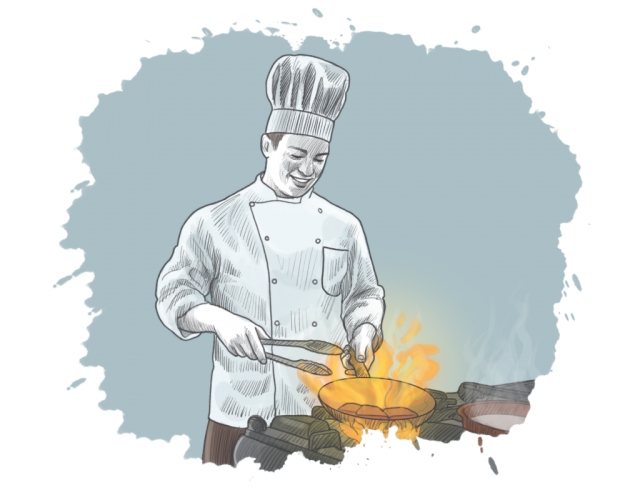
A chef is a skilled professional who works in the kitchen to create delicious meals. This job is not just about cooking; it is also about managing the kitchen, planning menus, and making sure every dish is perfect. Chefs work in restaurants, hotels, catering companies, and even private homes. Their job requires creativity, organization, and a love for food.
Un bucătar este un profesionist calificat care lucrează în bucătărie pentru a crea mese delicioase. Această slujbă nu este doar despre gătit; este și despre gestionarea bucătăriei, planificarea meniurilor și asigurarea că fiecare fel de mâncare este perfect. Bucătarii lucrează în restaurante, hoteluri, companii de catering și chiar în case private. Munca lor necesită creativitate, organizare și o dragoste pentru mâncare.
Being a chef is often described as working in the heart of the restaurant. The kitchen can be a busy place, and a chef must stay calm under pressure. Timing is everything because meals need to be served hot and fresh. Chefs also need to work well with their team, including cooks and assistants. Everyone in the kitchen plays an important role in delivering excellent meals to customers.
A fi un chef este adesea descris ca a lucra în inima restaurantului. Bucătăria poate fi un loc aglomerat, iar un chef trebuie să rămână calm sub presiune. Cronometrarea este esențială deoarece mesele trebuie servite calde și proaspete. De asemenea, chefi trebuie să lucreze bine cu echipa lor, inclusiv cu bucătari și asistenți. Fiecare persoană din bucătărie joacă un rol important în livrarea unor mese excelente clienților.
The Journey to Becoming a Chef
The Journey to Becoming a Chef
Becoming a chef takes time, effort, and dedication. Most chefs start their journey by learning basic cooking skills. Some go to culinary schools where they study cooking techniques, food safety, and nutrition. Others begin as kitchen assistants and learn on the job. Either way, practice is essential for mastering the art of cooking.
A deveni bucătar necesită timp, efort și dedicare. Majoritatea bucătarilor își încep călătoria prin învățarea abilităților de bază de gătit. Unii merg la școli culinare unde studiază tehnici de gătit, siguranța alimentelor și nutriție. Alții încep ca asistenți de bucătărie și învață pe locul de muncă. În orice caz, practica este esențială pentru a stăpâni arta gătitului.
Experience is one of the best teachers for a chef. Many chefs work in different kitchens to gain knowledge about various types of food. For example, a chef might work in an Italian restaurant to learn how to make pasta or in a Japanese restaurant to learn about sushi. This experience helps chefs develop their own unique style of cooking.
Experiența este unul dintre cei mai buni profesori pentru un bucătar. Mulți bucătari lucrează în diferite bucătării pentru a dobândi cunoștințe despre diferite tipuri de mâncare. De exemplu, un bucătar poate lucra într-un restaurant italian pentru a învăța cum să facă paste sau într-un restaurant japonez pentru a învăța despre sushi. Această experiență îi ajută pe bucătari să-și dezvolte propriul stil unic de gătit.
Types of Chefs
Types of Chefs
There are many types of chefs in a professional kitchen, each with specific duties that help the kitchen run smoothly. The Executive Chef is the leader, planning menus, supervising the team, and ensuring the food meets high standards. They rarely cook, focusing instead on management and creativity. The Sous Chef, or second-in-command, works closely with the Executive Chef, helping manage the kitchen and taking charge when needed. The Pastry Chef specializes in desserts, bread, and baked goods, requiring precision and a talent for decoration.
Există multe tipuri de bucătari într-o bucătărie profesională, fiecare cu sarcini specifice care ajută bucătăria să funcționeze fără probleme. Bucătarul Executiv este liderul, planifică meniurile, supraveghează echipa și se asigură că mâncarea îndeplinește standarde înalte. Rareori gătesc, concentrându-se în schimb pe management și creativitate. Sous-Bucătarul, sau al doilea la comandă, lucrează îndeaproape cu Bucătarul Executiv, ajutând la gestionarea bucătăriei și preluând conducerea atunci când este necesar. Bucătarul Patiser se specializează în deserturi, pâine și produse de patiserie, necesitând precizie și talent pentru decorare.
Another essential role is the Line Chef, also called a Line Cook, who prepares specific dishes during meal service. For example, a grill chef handles all grilled dishes, while a sauté chef prepares foods cooked in a pan. Each type of chef plays a vital role, and together they create a team that ensures every meal is a success.
Un alt rol esențial este cel al Bucătarului de Linie, numit și Bucătar de Linie, care pregătește feluri de mâncare specifice în timpul servirii mesei. De exemplu, un bucătar de grătar se ocupă de toate felurile de mâncare la grătar, în timp ce un bucătar de sauté pregătește alimentele gătite în tigaie. Fiecare tip de bucătar joacă un rol vital, și împreună creează o echipă care asigură că fiecare masă este un succes.
The Daily Life of a Chef
The Daily Life of a Chef
A chef's day starts early and often ends late. They begin by checking the ingredients to ensure everything is fresh and of high quality. Planning the menu is another important task. A chef decides which dishes will be served based on the season, available ingredients, and customer preferences.
Ziua unui bucătar începe devreme și se termină adesea târziu. Ei încep prin a verifica ingredientele pentru a se asigura că totul este proaspăt și de înaltă calitate. Planificarea meniului este o altă sarcină importantă. Un bucătar decide care feluri de mâncare vor fi servite în funcție de sezon, ingredientele disponibile și preferințele clienților.
During meal preparation, the kitchen becomes a hive of activity. Chefs supervise their team, taste the food, and make adjustments as needed. They also pay attention to presentation because how a dish looks is just as important as how it tastes. After service, chefs often review the day's work and plan for the next day.
În timpul pregătirii mesei, bucătăria devine un mușuroi de activitate. Bucătarii supraveghează echipa lor, gustă mâncarea și fac ajustări după cum este necesar. De asemenea, acordă atenție prezentării, deoarece modul în care arată un fel de mâncare este la fel de important ca și gustul acestuia. După servire, bucătarii revizuiesc adesea munca zilei și planifică pentru ziua următoare.
Skills Every Chef Needs
Skills Every Chef Needs
Cooking is at the heart of a chef's job, but there is more to the role than cooking. Chefs need excellent communication skills to work with their team and manage the kitchen. They also need to solve problems quickly. If an ingredient is missing or a dish is not turning out as expected, the chef must find a solution on the spot.
Gătitul este inima jobului unui bucătar, dar rolul acestuia presupune mai mult decât gătitul. Bucătarii au nevoie de abilități excelente de comunicare pentru a lucra cu echipa lor și a gestiona bucătăria. De asemenea, trebuie să rezolve rapid problemele. Dacă lipsește un ingredient sau un fel de mâncare nu iese așa cum era de așteptat, bucătarul trebuie să găsească o soluție pe loc.
Attention to detail is another important skill. A small mistake, such as forgetting to add salt, can change the flavor of a dish completely. Chefs also need to be creative. They often come up with new recipes or find ways to improve traditional dishes.
Atenția la detalii este o altă abilitate importantă. O mică greșeală, cum ar fi uitatul să adaugi sare, poate schimba complet aroma unui preparat. Bucătarii trebuie să fie și creativi. Ei vin adesea cu rețete noi sau găsesc modalități de a îmbunătăți preparatele tradiționale.

Famous Types of Cuisine
Famous Types of Cuisine
Chefs often specialize in a particular type of cuisine, such as French, Chinese, or Indian. French cuisine is known for its sauces and pastries. Chinese cuisine often uses fresh vegetables, rice, and bold flavors. Indian cuisine is famous for its spices and curries. Each cuisine has its own techniques and traditions, and chefs must learn these to excel in their field.
Bucătarii se specializează adesea într-un anumit tip de bucătărie, cum ar fi cea franceză, chinezească sau indiană. Bucătăria franceză este cunoscută pentru sosurile și produsele sale de patiserie. Bucătăria chinezească folosește adesea legume proaspete, orez și arome îndrăznețe. Bucătăria indiană este renumită pentru condimentele și curryurile sale. Fiecare bucătărie are propriile tehnici și tradiții, iar bucătarii trebuie să le învețe pentru a excela în domeniul lor.
Fusion cuisine is another exciting area. This is when chefs combine elements from different cuisines to create something new. For example, a chef might mix Japanese and Mexican flavors to make sushi tacos. This creativity allows chefs to explore endless possibilities in the kitchen.
Bucătăria fusion este un alt domeniu captivant. Acesta este momentul în care bucătarii combină elemente din diferite bucătării pentru a crea ceva nou. De exemplu, un bucătar poate amesteca arome japoneze și mexicane pentru a face taco-uri sushi. Această creativitate le permite bucătarilor să exploreze posibilități nelimitate în bucătărie.
Great Chefs in History
Great Chefs in History
Throughout history, many chefs have left their mark on the culinary world. One famous example is "Auguste Escoffier," often called the "King of Chefs" and "Chef of Kings." He modernized French cuisine and introduced methods still used in kitchens today. Another legendary chef is "Julia Child," who introduced French cooking to English-speaking audiences with her books and television shows. These chefs and others like them have inspired generations of cooks to pursue excellence in the kitchen.
De-a lungul istoriei, mulți bucătari și-au lăsat amprenta asupra lumii culinare. Un exemplu faimos este 'Auguste Escoffier', adesea numit 'Regele Bucătarilor' și 'Bucătarul Regilor'. El a modernizat bucătăria franceză și a introdus metode care sunt încă folosite în bucătării astăzi. Un alt bucătar legendar este 'Julia Child', care a introdus gătitul francez publicului vorbitor de limbă engleză prin cărțile și emisiunile sale de televiziune. Acești bucătari și alții ca ei au inspirat generații de bucătari să urmărească excelența în bucătărie.
The Challenges of Being a Chef
The Challenges of Being a Chef
The life of a chef is not all glamour. The kitchen can be a hot and stressful environment. Chefs often work long hours, including evenings, weekends, and holidays. This job also requires physical stamina because chefs spend most of their time on their feet.
Viața unui bucătar nu este doar despre glamour. Bucătăria poate fi un mediu cald și stresant. Bucătarii lucrează adesea ore lungi, inclusiv seara, în weekend și în zilele de sărbătoare. Această slujbă necesită și rezistență fizică deoarece bucătarii petrec cea mai mare parte a timpului în picioare.
Despite these challenges, many chefs find their work rewarding. There is a sense of pride in creating dishes that bring joy to others. A chef's job is not just about feeding people; it is about creating experiences and memories.
În ciuda acestor provocări, mulți bucătari își găsesc munca plină de satisfacții. Există un sentiment de mândrie în a crea feluri de mâncare care aduc bucurie altora. Jobul unui bucătar nu este doar despre a hrăni oamenii; este despre a crea experiențe și amintiri.
Fun Fact: The Story Behind the Chef's Hat
Fun Fact: The Story Behind the Chef's Hat
Did you know the chef's hat, called a "toque," has 100 folds? Each fold is said to represent a different way to cook an egg. This tradition began in France, where chefs valued precision and mastery. The toque is more than just a hat—it is a symbol of a chef's knowledge and experience. Even today, many chefs wear this hat as part of their uniform, honoring the history and pride of their profession.
Știați că pălăria bucătarului, numită "toque", are 100 de pliuri? Se spune că fiecare pliu reprezintă un mod diferit de a găti un ou. Această tradiție a început în Franța, unde bucătarii apreciau precizia și măiestria. Toque-ul este mai mult decât o simplă pălărie — este un simbol al cunoștințelor și experienței unui bucătar. Chiar și astăzi, mulți bucătari poartă această pălărie ca parte a uniformei lor, onorând istoria și mândria profesiei lor.

1. Chef
Food Industry
0%
What is the main responsibility of an Executive Chef?
Baking cakes and bread
Serving food to customers
Supervising the team and planning menus
Washing dishes and cleaning the kitchen
Sort the following steps to becoming a chef in the correct order.
Which of the following are roles found in a professional kitchen? (Choose all that apply)
Executive Chef
Grill Chef
Dish Designer
Pastry Chef
Nutrition Inspector
Frying Supervisor
Sous Chef
Complete the table about types of chefs and their roles based on the provided information.
| Role | Chef |
|---|---|
Plans the menu and supervises the team | |
Specializes in desserts and baked goods | |
Second-in-command in the kitchen | |
Prepares assigned items during meal service |
Match the type of chef with their role.
Which of the following cuisines is especially known for spices and curries?
French cuisine
Chinese cuisine
American cuisine
Indian cuisine
Fill in the blanks with the correct words from the text (There are four extra options).
The
is often described as the heart of the restaurant.
The
Chef is the second-in-command and helps manage the kitchen.
Chefs check that
are fresh and of high quality before starting their day.
Chefs specializing in
cuisine often use rich sauces and pastries.
The traditional chef's hat is called a
and has 100 folds.
Match the cuisine with what it is known for.
Which of the following statements are true according to the passage? (Choose all that apply)
Culinary school is one way to begin a chef's career.
Chefs need to work alone to stay focused.
French cuisine is famous for sauces and pastries.
The kitchen is often a fast-paced and stressful place.
Chefs usually wear white gloves while cooking.
Some chefs develop fusion dishes using different cuisines.
Julia Child helped popularize Italian cuisine worldwide.
What does each fold in a chef's hat (toque) traditionally represent?
One recipe the chef has memorized
A different way to cook an egg
A type of pastry
A famous chef from history