
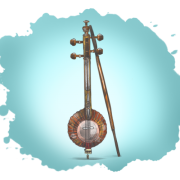

Bowed String Instruments
Violin - Musical Instruments
 intermediate
Explore how bowed string instruments, such as the violin, viola, and cello, produce sound through bowing techniques while enhancing your English skills.
1
capitol

The Violin: A Timeless Instrument
Vioara este unul dintre cele mai expresive și versatile instrumente din lume, cunoscută pentru capacitatea sa de a evoca o gamă largă de emoții. De la marile săli de concert ale muzicii clasice până la melodiile vii ale genurilor folk și moderne, sunetul bogat și răsunător al viorii a captivat publicul de secole. Istoria sa este profund împletită cu evoluția muzicii în sine, iar designul și meșteșugul său au fost perfecționate de-a lungul generațiilor.


The History of the Violin
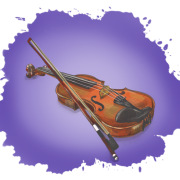
Vioara a fost creată pentru prima dată în secolul al XVI-lea în nordul Italiei. Mulți istorici cred că vioara a evoluat din instrumente cu coarde mai vechi, cum ar fi vioara medievală și rebec. Unul dintre primii constructori de viori a fost un bărbat numit "Andrea Amati". El este adesea numit "tatăl viorii moderne" pentru că a creat primele instrumente care arată și sună ca viorile pe care le cunoaștem astăzi.
Interesant este faptul că vioara nu a fost întotdeauna numită astfel. În primii ani, era denumită diferit în funcție de regiune, cum ar fi "violino" în italiană, care înseamnă "vioară mică". De-a lungul timpului, numele "vioară" a devenit termenul standard în multe limbi.
Vioara a devenit rapid populară în întreaga Europă datorită versatilității sale. Putea fi folosită pentru a cânta atât muzică de dans vibrantă, cât și melodii lente și emoționale. Până în secolul al XVIII-lea, compozitori renumiți precum "Antonio Vivaldi" și "Johann Sebastian Bach" scriau muzică frumoasă pentru vioară. Acest lucru a ajutat instrumentul să câștige și mai multă popularitate.
How a Violin is Made
Fabricarea unei viori este un proces foarte delicat. Este o artă care a fost transmisă din generație în generație. Viorile sunt de obicei făcute din lemn, cum ar fi molidul și arțarul. Partea superioară a viorii se numește burta și este făcută din molid deoarece acest lemn produce un sunet clar și strălucitor. Spatele și părțile laterale sunt făcute din arțar, care oferă viorii tonul său cald.
Producătorul, care se numește luthier, cioplește cu grijă lemnul pentru a crea forma perfectă. Vioara trebuie să fie puternică, dar și ușoară, astfel încât să poată produce sunete frumoase. Odată ce corpul este complet, luthierul adaugă corzile, tastatura și arcușul. Corzile sunt făcute din oțel sau materiale sintetice, dar în trecut, erau făcute din intestine de oaie!
O caracteristică interesantă a viorii este suportul sonor. Acesta este un mic băț de lemn din interiorul instrumentului care ajută la transferarea vibrațiilor corzilor către corp. Fără suportul sonor, vioara nu și-ar produce tonul bogat și rezonant.
The Role of the Violin in Music
Vioara este cunoscută pentru versatilitatea sa. Poate fi cântată în multe stiluri diferite de muzică, de la clasic la folk și chiar jazz. Într-o orchestră, vioara cântă adesea melodia datorită sunetului său strălucitor și expresiv. Un grup de viori într-o orchestră se numește secțiune. Împreună, creează un sunet puternic și armonios.
În muzica folk, vioara este uneori numită fiddle. Cei care cântă la fiddle folosesc același instrument ca și violoniștii clasici, dar cântă într-un stil mai relaxat. De exemplu, deseori bat din picioare în timp ce cântă pentru a menține ritmul. Vioara este folosită și în genuri muzicale moderne precum rock și pop. Muzicieni celebri precum "Lindsey Stirling" au demonstrat că vioara poate fi la fel de captivantă ca o chitară electrică.
Learning to Play the Violin
Învățarea să cânti la vioară nu este ușoară, dar poate fi foarte satisfăcătoare. Începătorii încep de obicei cu exerciții simple pentru a învăța cum să țină corect instrumentul și arcușul. În timp, ei exersează scale și melodii pentru a-și îmbunătăți tehnica. Este nevoie de multe ore de practică pentru a deveni priceput în a cânta la vioară.
O provocare pentru noii violoniști este învățarea să producă un sunet curat. Arcul trebuie să alunece lin pe coarde, iar degetele trebuie să apese pe coarde cu cantitatea potrivită de presiune. Se spune adesea că a cânta la vioară este ca și cum ai merge pe sârmă. Cu toate acestea, odată ce un interpret stăpânește aceste abilități, poate crea muzică care atinge inima.
Famous Violinists
De-a lungul istoriei, au existat mulți violoniști renumiți care au uimit publicul cu talentul lor. Unul dintre cei mai cunoscuți violoniști din toate timpurile este "Niccolò Paganini". S-a născut în Italia în 1782 și era cunoscut pentru viteza sa incredibilă și priceperea tehnică. Oamenii spuneau adesea că interpretarea lui era atât de extraordinară încât părea aproape magică.


Un alt violonist celebru este "Itzhak Perlman", admirat pentru tonul său cald și interpretarea expresivă. A concertat cu unele dintre cele mai bune orchestre din lume și a inspirat mulți tineri muzicieni să învețe vioara. "Midori Goto" este o altă violonistă cunoscută. A început să cânte profesionist de la vârsta de doar 11 ani și continuă să uimească publicul cu talentul ei.
Fun Fact: The Most Expensive Violin in the World
Știați că cea mai scumpă vioară vândută vreodată se numea «Vieuxtemps Guarneri del Gesù»? A fost fabricată în 1741 de «Giuseppe Guarneri», unul dintre cei mai mari lutieri din istorie. Această vioară a fost vândută pentru suma uluitoare de 16 milioane de dolari! Ce o face atât de specială? Nu este doar vechimea viorii, ci și calitatea sunetului său. Mulți experți cred că niciun instrument modern nu poate egala tonul său bogat și puternic. Vioara este atât de valoroasă încât este adesea împrumutată muzicienilor profesioniști care au mare grijă să-i păstreze starea.
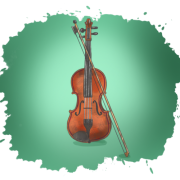
1. Violin
Bowed String Instruments
100%
What is the main reason the violin became popular across Europe?
It was easy to learn.
It was cheap to make.
It was versatile and could be used for different styles of music.
It was louder than other instruments.
Arrange the steps of making a violin in the correct order:
Match each person with their contribution to the violin world:
Complete the sentences about violin materials.
Violins are usually made from different types of wood. The
is used for the top because it produces a clear sound. The back and sides are made from
to give the violin its warm tone. In the past, violin strings were made from
, but today they are made from steel or synthetic materials.
Complete the missing information about the violin’s role in music.
| Music Style | Violin's Role |
|---|---|
Classical | Often plays the in orchestras |
Folk | Called a , played in a casual style |
Modern | Used in and pop music (e.g., Lindsey Stirling) |
Which statement is TRUE?
The violin was invented in Germany.
Learning the violin is easy.
The violin is only used in classical music.
The violin is used in many different music styles.
Which statement is FALSE?
The most expensive violin ever sold was the Vieuxtemps Guarneri del Gesù.
Violins are always made from plastic.
Andrea Amati was an early violin maker.
Violins were once called "violino" in Italian.