
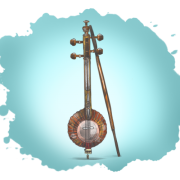

Bowed String Instruments
Violin - Musical Instruments
 intermediate
Explore how bowed string instruments, such as the violin, viola, and cello, produce sound through bowing techniques while enhancing your English skills.
1
kapitel

The Violin: A Timeless Instrument
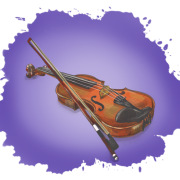
Fiolen är ett av de mest uttrycksfulla och mångsidiga instrumenten i världen, känt för sin förmåga att väcka en bred rad av känslor. Från de stora konserthallarna för klassisk musik till de livfulla melodierna av folkmusik och moderna genrer, har fiolens rika, resonerande ljud fängslat publiker i århundraden. Dess historia är djupt sammanflätad med musikens egen utveckling, och dess design och hantverk har perfektionerats över generationer.


The History of the Violin
Violinen skapades för första gången på 1500-talet i norra Italien. Många historiker tror att violinen utvecklades från äldre stränginstrument som den medeltida fiolen och rebec. En av de första violinmakarna var en man vid namn "Andrea Amati". Han kallas ofta för "den moderna violinens fader" eftersom han skapade de första instrumenten som ser ut och låter som de violiner vi känner till idag.
Intressant nog kallades fiolen inte alltid för detta namn. Under sina tidiga år kallades den för olika namn beroende på region, som "violino" på italienska, vilket betyder "liten viola". Med tiden blev namnet "fiol" standardtermen på många språk.
Fiolen blev snabbt populär över hela Europa på grund av dess mångsidighet. Den kunde användas för att spela både livlig dansmusik och långsamma, känslofulla melodier. Vid 1700-talet skrev kända kompositörer som "Antonio Vivaldi" och "Johann Sebastian Bach" vacker musik för fiolen. Detta hjälpte instrumentet att vinna ännu mer popularitet.
How a Violin is Made
Att tillverka en fiol är en mycket känslig process. Det är en konst som har gått i arv från generation till generation. Fioler är vanligtvis tillverkade av trä, som gran och lönn. Toppen av fiolen kallas magen, och den är tillverkad av gran eftersom detta trä ger en klar och ljus ljud. Baksidan och sidorna är tillverkade av lönn, vilket ger fiolen dess varma ton.
Tillverkaren, som kallas en luthier, snider träet noggrant för att skapa den perfekta formen. Fiolen måste vara stark men också lätt så att den kan producera vackra ljud. När kroppen är klar lägger luthiern till strängarna, greppbrädan och bågen. Strängarna är gjorda av stål eller syntetiska material, men förr i tiden var de gjorda av fårtarm!
En intressant egenskap hos fiolen är ljudstödet. Detta är en liten träpinne inuti instrumentet som hjälper till att överföra strängarnas vibrationer till kroppen. Utan ljudstödet skulle fiolen inte producera sin rika och resonerande ton.
The Role of the Violin in Music
Fiolen är känd för sin mångsidighet. Den kan spelas i många olika musikstilar, från klassisk till folk och till och med jazz. I en orkester spelar fiolen ofta melodin på grund av dess ljusa och uttrycksfulla ljud. En grupp fioler i en orkester kallas en sektion. Tillsammans skapar de ett kraftfullt och harmoniskt ljud.
I folkmusik kallas fiolen ibland för fiddle. Fiddlespelare använder samma instrument som klassiska fiolister, men de spelar i en mer avslappnad stil. Till exempel stampar de ofta med fötterna när de spelar för att hålla rytmen. Fiolen används också i moderna musikgenrer som rock och pop. Kända musiker som "Lindsey Stirling" har visat att fiolen kan vara lika spännande som en elgitarr.
Learning to Play the Violin
Att lära sig spela violin är inte lätt, men det kan vara mycket givande. Nybörjare börjar vanligtvis med enkla övningar för att lära sig hålla instrumentet och stråken korrekt. Med tiden övar de skalor och låtar för att förbättra sin teknik. Det krävs många timmars övning för att bli skicklig på att spela violin.
En utmaning för nya fiolspelare är att lära sig att frambringa en ren ljud. Stråken måste glida smidigt över strängarna, och fingrarna måste trycka ner på strängarna med rätt mängd tryck. Det sägs ofta att spela fiol är som att gå på lina. Men när en spelare bemästrar dessa färdigheter kan de skapa musik som rör hjärtat.
Famous Violinists
Genom historien har det funnits många berömda violinisterna som har förvånat publiken med sin talang. En av de mest kända violinisterna genom tiderna är "Niccolò Paganini". Han föddes i Italien 1782 och var känd för sin otroliga hastighet och tekniska skicklighet. Folk sa ofta att hans spel var så extraordinärt att det verkade nästan magiskt.


En annan berömd violinist är "Itzhak Perlman", som beundras för sin varma ton och uttrycksfulla spel. Han har uppträtt med några av världens bästa orkestrar och har inspirerat många unga musiker att lära sig spela fiol. "Midori Goto" är en annan känd violinist. Hon började uppträda professionellt när hon bara var 11 år gammal och fortsätter att imponera på publiken med sin talang.
Fun Fact: The Most Expensive Violin in the World
Visste du att den dyraste fiolen som någonsin sålts hette «Vieuxtemps Guarneri del Gesù»? Den tillverkades 1741 av «Giuseppe Guarneri», en av de största fiolbyggarna i historien. Denna fiol såldes för häpnadsväckande 16 miljoner dollar! Vad gör den så speciell? Det är inte bara fiolens ålder, utan också dess ljudkvalitet. Många experter tror att inget modernt instrument kan matcha dess rika och kraftfulla ton. Fiolen är så värdefull att den ofta lånas ut till professionella musiker som är mycket noga med att bevara dess skick.
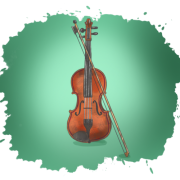
1. Violin
Bowed String Instruments
100%
What is the main reason the violin became popular across Europe?
It was easy to learn.
It was cheap to make.
It was versatile and could be used for different styles of music.
It was louder than other instruments.
Arrange the steps of making a violin in the correct order:
Match each person with their contribution to the violin world:
Complete the sentences about violin materials.
Violins are usually made from different types of wood. The
is used for the top because it produces a clear sound. The back and sides are made from
to give the violin its warm tone. In the past, violin strings were made from
, but today they are made from steel or synthetic materials.
Complete the missing information about the violin’s role in music.
| Music Style | Violin's Role |
|---|---|
Classical | Often plays the in orchestras |
Folk | Called a , played in a casual style |
Modern | Used in and pop music (e.g., Lindsey Stirling) |
Which statement is TRUE?
The violin was invented in Germany.
Learning the violin is easy.
The violin is only used in classical music.
The violin is used in many different music styles.
Which statement is FALSE?
The most expensive violin ever sold was the Vieuxtemps Guarneri del Gesù.
Violins are always made from plastic.
Andrea Amati was an early violin maker.
Violins were once called "violino" in Italian.