




T-Shirt

T-Shirt

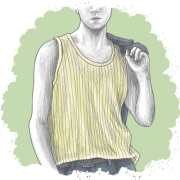
Tank Top

Tank Top

Cardigan

Cardigan

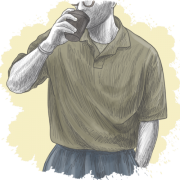
Polo Shirt

Polo Shirt

Crop Top

Crop Top

Hoodie

Hoodie

Sports Jersey

Sports Jersey

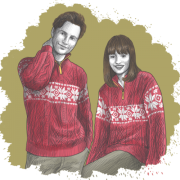
Sweater

Sweater

Tunic

Tunic

Henley Shirt

Henley Shirt

Casual Tops

Casual Tops

T-Shirt - Clothes and Fashion

20 chapters
levelintermediate

Discover our readings on casual tops to learn about comfortable and stylish choices for everyday wear, from T-shirts to hoodies and more.

Vocabulary
1.
versatile
[adj]
/ˈvɜrsətəl/
2.
clothing
[n]
/ˈkloʊðɪŋ/
3.
closet
[n]
/ˈklɑːzɪt/
4.
staple
[n]
/ˈsteɪpəɫ/
5.
occasion
[n]
/əˈkeɪʒən/
6.
plain
[adj]
/pleɪn/
7.
patterned
[adj]
/ˈpætɝnd/
8.
graphic
[adj]
/ˈɡɹæfɪk/
9.
branded
[adj]
/ˈbɹændɪd/
10.
timeless
[adj]
/ˈtaɪmɫəs/
11.
undergarment
[n]
/ˈəndɝˌɡɑɹmənt/
12.
lightweight
[adj]
/ˈɫaɪtˈweɪt/
13.
breathable
[adj]
/bɹˈiːðəbəl/
14.
laborer
[n]
/ˈleɪbərər/
15.
practical
[adj]
/ˈpræktɪkəl/
16.
manual work
[n]
17.
iconic
[adj]
/ˌaɪˈkɑnɪk/
18.
fashion statement
[n]
/fˈæʃən stˈeɪtmənt/
19.
self-expression
[n]
/ˌsɛɫfɪksˈpɹɛʃən/
20.
slogan
[n]
/ˈsɫoʊɡən/
21.
effort
[n]
/ˈɛfɚt/
22.
identity
[n]
/aɪˈdɛntɪˌti/
23.
belief
[n]
/bəˈlif/
24.
woolen
[adj]
/ˈwʊɫən/
25.
polyester
[n]
/ˌpɑˌɫiˈɛstɝ/
26.
harvest
[v]
/ˈhɑrvɪst/
27.
fabric
[n]
/ˈfæbrɪk/
28.
resemble
[v]
/rɪˈzɛmbəl/
29.
screen printing
[n]
/skɹˈiːn pɹˈɪntɪŋ/
30.
digital printing
[n]
/dˈɪdʒɪɾəl pɹˈɪntɪŋ/
31.
advantage
[n]
/ədˈvæntɪʤ/
32.
flexibility
[n]
/ˌfɫɛksəˈbɪɫəti/
33.
customize
[v]
/ˈkəstəˌmaɪz/
34.
start out
[v]
/stˈɑːɹt ˈaʊt/
35.
affordable
[adj]
/əˈfɔrdəbəl/
36.
wrinkle
[v]
/ˈɹɪŋkəɫ/
37.
accessible
[adj]
/əkˈsɛsəbəl/
38.
individuality
[n]
/ˌɪnˌdɪvɪdʒuˈæɫɪti/
39.
catch on
[v]
/kˈætʃ ˈɑːn/
40.
primarily
[adv]
/pɹaɪˈmɛɹəɫi/
41.
leap
[n]
/ˈɫip/
42.
rebellious
[adj]
/rɪˈbɛljəs/
43.
evolve
[v]
/iˈvɑɫv/, /ɪˈvɑɫv/
44.
canvas
[n]
/ˈkænvəs/
45.
weave
[v]
/wiːv/
46.
sew
[v]
/ˈsoʊ/
47.
hoodie
[n]
/ˈhʊdi/
48.
outing
[n]
/ˈaʊtɪŋ/
49.
unisex
[adj]
/ˈjunɪˌsɛks/
50.
treasure
[v]
/ˈtɹɛʒɝ/

1.
versatile
[adj]
/ˈvɜrsətəl/
2.
clothing
[n]
/ˈkloʊðɪŋ/
3.
closet
[n]
/ˈklɑːzɪt/
4.
staple
[n]
/ˈsteɪpəɫ/
5.
occasion
[n]
/əˈkeɪʒən/
6.
plain
[adj]
/pleɪn/
7.
patterned
[adj]
/ˈpætɝnd/
8.
graphic
[adj]
/ˈɡɹæfɪk/
9.
branded
[adj]
/ˈbɹændɪd/
10.
timeless
[adj]
/ˈtaɪmɫəs/
11.
undergarment
[n]
/ˈəndɝˌɡɑɹmənt/
12.
lightweight
[adj]
/ˈɫaɪtˈweɪt/
13.
breathable
[adj]
/bɹˈiːðəbəl/
14.
laborer
[n]
/ˈleɪbərər/
15.
practical
[adj]
/ˈpræktɪkəl/
16.
manual work
[n]
17.
iconic
[adj]
/ˌaɪˈkɑnɪk/
18.
fashion statement
[n]
/fˈæʃən stˈeɪtmənt/
19.
self-expression
[n]
/ˌsɛɫfɪksˈpɹɛʃən/
20.
slogan
[n]
/ˈsɫoʊɡən/
21.
effort
[n]
/ˈɛfɚt/
22.
identity
[n]
/aɪˈdɛntɪˌti/
23.
belief
[n]
/bəˈlif/
24.
woolen
[adj]
/ˈwʊɫən/
25.
polyester
[n]
/ˌpɑˌɫiˈɛstɝ/
26.
harvest
[v]
/ˈhɑrvɪst/
27.
fabric
[n]
/ˈfæbrɪk/
28.
resemble
[v]
/rɪˈzɛmbəl/
29.
screen printing
[n]
/skɹˈiːn pɹˈɪntɪŋ/
30.
digital printing
[n]
/dˈɪdʒɪɾəl pɹˈɪntɪŋ/
31.
advantage
[n]
/ədˈvæntɪʤ/
32.
flexibility
[n]
/ˌfɫɛksəˈbɪɫəti/
33.
customize
[v]
/ˈkəstəˌmaɪz/
34.
start out
[v]
/stˈɑːɹt ˈaʊt/
35.
affordable
[adj]
/əˈfɔrdəbəl/
36.
wrinkle
[v]
/ˈɹɪŋkəɫ/
37.
accessible
[adj]
/əkˈsɛsəbəl/
38.
individuality
[n]
/ˌɪnˌdɪvɪdʒuˈæɫɪti/
39.
catch on
[v]
/kˈætʃ ˈɑːn/
40.
primarily
[adv]
/pɹaɪˈmɛɹəɫi/
41.
leap
[n]
/ˈɫip/
42.
rebellious
[adj]
/rɪˈbɛljəs/
43.
evolve
[v]
/iˈvɑɫv/, /ɪˈvɑɫv/
44.
canvas
[n]
/ˈkænvəs/
45.
weave
[v]
/wiːv/
46.
sew
[v]
/ˈsoʊ/
47.
hoodie
[n]
/ˈhʊdi/
48.
outing
[n]
/ˈaʊtɪŋ/
49.
unisex
[adj]
/ˈjunɪˌsɛks/
50.
treasure
[v]
/ˈtɹɛʒɝ/
1.
versatile
[adj]
/ˈvɜrsətəl/
çok yönlü
2.
clothing
[n]
/ˈkloʊðɪŋ/
giysi
3.
closet
[n]
/ˈklɑːzɪt/
dolap
4.
staple
[n]
/ˈsteɪpəɫ/
temel ürün
5.
occasion
[n]
/əˈkeɪʒən/
tören
6.
plain
[adj]
/pleɪn/
sade
7.
patterned
[adj]
/ˈpætɝnd/
desenli
8.
graphic
[adj]
/ˈɡɹæfɪk/
grafik
9.
branded
[adj]
/ˈbɹændɪd/
markalı
10.
timeless
[adj]
/ˈtaɪmɫəs/
zamansız
11.
undergarment
[n]
/ˈəndɝˌɡɑɹmənt/
iç çamaşırı
12.
lightweight
[adj]
/ˈɫaɪtˈweɪt/
hafif
13.
breathable
[adj]
/bɹˈiːðəbəl/
nefes alabilir
14.
laborer
[n]
/ˈleɪbərər/
işçi
15.
practical
[adj]
/ˈpræktɪkəl/
pratik
16.
manual work
[n]
manuel iş
17.
iconic
[adj]
/ˌaɪˈkɑnɪk/
simgesel
18.
fashion statement
[n]
/fˈæʃən stˈeɪtmənt/
dikkat çekici elbise
19.
self-expression
[n]
/ˌsɛɫfɪksˈpɹɛʃən/
kendini ifade etme
20.
slogan
[n]
/ˈsɫoʊɡən/
slogan
21.
effort
[n]
/ˈɛfɚt/
çaba
22.
identity
[n]
/aɪˈdɛntɪˌti/
kimlik
23.
belief
[n]
/bəˈlif/
güven
24.
woolen
[adj]
/ˈwʊɫən/
yünden yapılmış
25.
polyester
[n]
/ˌpɑˌɫiˈɛstɝ/
polyester
26.
harvest
[v]
/ˈhɑrvɪst/
ekin biçmek
27.
fabric
[n]
/ˈfæbrɪk/
kumaş
28.
resemble
[v]
/rɪˈzɛmbəl/
benzemek
29.
screen printing
[n]
/skɹˈiːn pɹˈɪntɪŋ/
serigrafi
30.
digital printing
[n]
/dˈɪdʒɪɾəl pɹˈɪntɪŋ/
dijital baskı
31.
advantage
[n]
/ədˈvæntɪʤ/
avantaj
32.
flexibility
[n]
/ˌfɫɛksəˈbɪɫəti/
uysallık
33.
customize
[v]
/ˈkəstəˌmaɪz/
özelleştirmek
34.
start out
[v]
/stˈɑːɹt ˈaʊt/
başlamak
35.
affordable
[adj]
/əˈfɔrdəbəl/
uygun fiyatlı
36.
wrinkle
[v]
/ˈɹɪŋkəɫ/
buruşturmak
37.
accessible
[adj]
/əkˈsɛsəbəl/
erişilebilir
38.
individuality
[n]
/ˌɪnˌdɪvɪdʒuˈæɫɪti/
bireysellik
39.
catch on
[v]
/kˈætʃ ˈɑːn/
popüler olmak
40.
primarily
[adv]
/pɹaɪˈmɛɹəɫi/
öncelikle
41.
leap
[n]
/ˈɫip/
ani yükseliş
42.
rebellious
[adj]
/rɪˈbɛljəs/
asi
43.
evolve
[v]
/iˈvɑɫv/, /ɪˈvɑɫv/
yavaş yavaş gelişmek
44.
canvas
[n]
/ˈkænvəs/
tuval
45.
weave
[v]
/wiːv/
dokumak
46.
sew
[v]
/ˈsoʊ/
dikmek
47.
hoodie
[n]
/ˈhʊdi/
kapüşonlu svetşört
48.
outing
[n]
/ˈaʊtɪŋ/
gezme
49.
unisex
[adj]
/ˈjunɪˌsɛks/
uniseks
50.
treasure
[v]
/ˈtɹɛʒɝ/
hazine gibi saklamak

1

bölüm

star

T-Shirt

Read a passage about a simple and comfortable piece of clothing, perfect for casual wear and easy to pair with almost anything.

The Story of the T-Shirt

1.1

The T-shirt is one of the most popular and versatile items of clothing in the world today. Almost everyone has at least one in their closet. It is a staple for people of all ages, and it is worn for all kinds of occasions. Whether it is plain, patterned, graphic, or branded, the T-shirt is a timeless piece of clothing. But how did it become so popular, and what makes it special?

Tişört, günümüzde dünyanın en popüler ve çok yönlü giyim eşyalarından biridir. Neredeyse herkesin dolabında en az bir tane bulunur. Her yaştan insan için temel bir parçadır ve her türlü etkinlik için giyilir. Düz, desenli, grafikli veya markalı olsun, tişört zamansız bir giyim parçasıdır. Ama nasıl bu kadar popüler oldu ve onu özel yapan nedir?

Where It All Started

1.2

The T-shirt started out as a simple undergarment in the late 19th century. It was originally designed as underwear for men, worn underneath their shirts to provide warmth and comfort. In fact, the T-shirt got its name from its shape, which resembles the letter "T." It was first made from lightweight, breathable cotton, which made it perfect for hot weather and comfortable to wear under heavy clothing. In the early 1900s, the T-shirt was mostly associated with laborers, who wore it as a practical item during manual work.

Tişört, 19. yüzyılın sonlarında basit bir iç çamaşırı olarak başladı. Başlangıçta erkekler için iç çamaşırı olarak tasarlandı, gömleklerinin altında sıcaklık ve rahatlık sağlamak için giyilirdi. Aslında tişört, adını 'T' harfine benzeyen şeklinden alır. İlk olarak hafif, nefes alabilen pamuktan yapıldı, bu da onu sıcak havalar için mükemmel ve ağır giysilerin altında giymek için rahat hale getirdi. 1900'lerin başında, tişört çoğunlukla işçilerle ilişkilendirildi ve onu manuel iş sırasında pratik bir giysi olarak giydiler.

T-Shirt
1.3

The real change came during World War I, when American soldiers noticed that European soldiers were wearing lightweight cotton undershirts instead of the heavier woolen uniforms they were used to. This idea caught on, and when the soldiers returned home, they brought the T-shirt style with them. By the 1920s, the T-shirt had become a common part of American fashion, though it was still seen primarily as underwear.

Gerçek değişim, I. Dünya Savaşı sırasında geldi, Amerikan askerleri Avrupalı askerlerin alışkın oldukları daha ağır yün üniformalar yerine hafif pamuklu iç çamaşırları giydiklerini fark ettiler. Bu fikir tutuldu ve askerler eve döndüklerinde, T-shirt stilini de beraberlerinde getirdiler. 1920'lerde, T-shirt Amerikan modasının yaygın bir parçası haline gelmişti, ancak hala çoğunlukla iç çamaşırı olarak görülüyordu.

The T-Shirt Gains Popularity

1.4

In the 1950s, the T-shirt took a big leap in popularity thanks to Hollywood. Iconic actors like "James Dean" and "Marlon Brando" made the T-shirt look cool and rebellious in movies like "Rebel Without a Cause" and "A Streetcar Named Desire." For the first time, the T-shirt was seen as a fashion statement rather than just an undergarment. It was no longer only for workers and soldiers; now, it was something fashionable people wore out in public.

1950'lerde tişört, Hollywood sayesinde popülerlikte büyük bir sıçrama yaptı. "James Dean" ve "Marlon Brando" gibi ikonik aktörler, "Asi Gençlik" ve "İhtiras Tramvayı" gibi filmlerde tişörtü havalı ve asi gösterdi. İlk kez tişört, sadece bir iç çamaşırı olarak değil, bir moda ifadesi olarak görüldü. Artık sadece işçiler ve askerler için değildi; şimdi, modaya uygun insanların dışarıda giydiği bir şeydi.

1.5

The T-shirt continued to evolve over the decades. In the 1960s and 1970s, it became a canvas for self-expression. People began printing slogans, logos, and artistic designs on T-shirts. Whether it was a message of peace, a rock band's logo, or a favorite brand, the T-shirt became a powerful tool for people to express their identity and beliefs. By the 1980s, the T-shirt had truly become a wardrobe essential, not just in the West but all around the world.

Tişört onlarca yıl boyunca gelişmeye devam etti. 1960'lar ve 1970'lerde, kendini ifade etmek için bir tuval haline geldi. İnsanlar tişörtlerin üzerine sloganlar, logolar ve sanatsal tasarımlar basmaya başladı. İster bir barış mesajı, ister bir rock grubunun logosu ya da favori bir marka olsun, tişört insanların kimliklerini ve inançlarını ifade etmeleri için güçlü bir araç haline geldi. 1980'lere gelindiğinde, tişört sadece Batı'da değil, tüm dünyada gerçek bir gardırop vazgeçilmezi haline gelmişti.

T-Shirt

How T-Shirts Are Made

1.6

The process of making a T-shirt is quite simple, but it requires many steps. Most T-shirts are made from cotton, though there are also blends with polyester or other materials. Cotton is grown in large fields and harvested. The cotton is then cleaned, spun into yarn, and woven into fabric. After that, the fabric is cut into the shape of the T-shirt and sewn together. Modern factories can produce thousands of T-shirts every day.

Bir tişört yapma süreci oldukça basittir, ancak birçok adım gerektirir. Çoğu tişört pamuktan yapılır, ancak polyester veya diğer malzemelerle karışımlar da vardır. Pamuk büyük tarlalarda yetiştirilir ve hasat edilir. Daha sonra pamuk temizlenir, ipliğe dönüştürülür ve kumaş dokunur. Bundan sonra, kumaş tişört şeklinde kesilir ve dikilir. Modern fabrikalar her gün binlerce tişört üretebilir.

1.7

Printing designs on T-shirts is also a major industry. There are different methods for printing, including screen printing, digital printing, and heat transfer. Each method has its own advantages depending on the design and the quantity needed. This flexibility allows for a wide range of creative possibilities, from simple logos to detailed, colorful graphics. Some people even customize their T-shirts with unique designs or text.

Tişörtlerin üzerine desen basmak da büyük bir endüstridir. Ekran baskı, dijital baskı ve ısı transferi dahil olmak üzere farklı baskı yöntemleri vardır. Her yöntemin, tasarıma ve ihtiyaç duyulan miktara bağlı olarak kendi avantajları vardır. Bu esneklik, basit logolardan ayrıntılı, renkli grafiklere kadar geniş bir yaratıcı olasılık yelpazesi sunar. Bazı insanlar tişörtlerini benzersiz tasarımlar veya metinlerle özelleştirir.

Why T-Shirts Are So Popular

1.8

There are many reasons why the T-shirt has stood the test of time. First and foremost, it is comfortable. Made from soft, breathable fabric, T-shirts are perfect for both warm and cool weather. They can be worn on their own during the summer or layered under jackets and hoodies when it gets colder. This versatility is one of the key reasons why people of all ages and backgrounds wear T-shirts.

Tişörtün zamanın testinden geçmesinin birçok nedeni var. Her şeyden önce, rahat. Yumuşak, nefes alabilen kumaştan yapılmış tişörtler, hem sıcak hem de serin havalar için mükemmeldir. Yazın tek başına giyilebilir veya havalar soğuduğunda ceketler ve kapüşonluların altına katmanlanabilir. Bu çok yönlülük, her yaştan ve her geçmişten insanın tişört giymesinin temel nedenlerinden biridir.

1.9

Another reason is that T-shirts are easy to care for. They can be washed and dried without much effort, and they do not wrinkle easily. Most T-shirts are affordable, making them accessible to everyone. Whether you are dressing up for a casual outing or relaxing at home, a T-shirt fits the occasion. The T-shirt is also unisex, which means it is suitable for both men and women.

Bir başka neden de tişörtlerin bakımının kolay olmasıdır. Fazla çaba harcamadan yıkanabilir ve kurutulabilirler ve kolayca buruşmazlar. Çoğu tişört uygun fiyatlıdır, bu da herkesin erişebilmesini sağlar. İster rahat bir çıkış için giyiniyor olun ister evde dinleniyor olun, bir tişört bu duruma uygundur. Tişört aynı zamanda uniseksdir, yani hem erkekler hem de kadınlar için uygundur.

1.10

Moreover, T-shirts have become a way to express individuality. People choose T-shirts based on their personal interests, whether it is a favorite movie, band, sports team, or even a funny saying. For some, their T-shirts represent memories of concerts, travels, or special events. It is no surprise that people often have a collection of T-shirts they treasure and wear again and again.

Üstelik, tişörtler bireyselliği ifade etmenin bir yolu haline geldi. İnsanlar tişörtlerini kişisel ilgi alanlarına göre seçiyorlar, ister favori bir film, bir müzik grubu, bir spor takımı ya da komik bir söz olsun. Bazıları için tişörtleri, konserlerin, seyahatlerin veya özel etkinliklerin anılarını temsil eder. İnsanların sık sık değer verip tekrar tekrar giydikleri bir tişört koleksiyonuna sahip olmaları şaşırtıcı değil.

Fun Fact: The World's Largest T-shirt

1.11

Did you know that the world's largest T-shirt was created in India in 2022? It was over 96 meters long and 69 meters wide! It was made to raise awareness about environmental conservation and entered the Guinness World Records. While it is unlikely anyone will ever wear it, this giant T-shirt highlights just how much this simple piece of clothing has become a global icon.

Dünyanın en büyük tişörtünün 2022'de Hindistan'da yapıldığını biliyor muydunuz? 96 metreden uzun ve 69 metre genişliğindeydi! Çevre koruma konusunda farkındalık yaratmak için yapılmıştı ve Guinness Dünya Rekorları'na girdi. Muhtemelen hiç kimse onu giymeyecek olsa da, bu dev tişört, bu basit giysinin nasıl küresel bir ikon haline geldiğini vurguluyor.
1. T-Shirt

1. T-Shirt

Casual Tops


0%
Quiz
1.

What was the original purpose of the T-shirt?

A

A fashion statement

B

A type of sportswear

C

An undergarment for warmth and comfort

D

A military uniform

2.

Why did the T-shirt become popular in the 1950s?

A

Soldiers brought it back from Europe.

B

Hollywood actors made it look stylish and rebellious.

C

It was used as a uniform for workers.

D

It was cheap and easy to make.

3.

Put these events in the correct order:

the t-shirt was originally worn as an undergarment.
american soldiers noticed european soldiers wearing lightweight t-shirts.
the t-shirt became a way to express identity with slogans and logos.
hollywood made the t-shirt fashionable.
4.

Match the reason with why T-shirts are popular:

Comfort
Easy to maintain
Self-expression
T-shirts do not need much care or ironing.
Made from soft, breathable fabric.
People use T-shirts to show personal interests.
5.

Complete the sentences with the correct words. (There are two extra options.)

T-shirts became widely accepted in the 1950s because of

in Hollywood movies.

The material most commonly used for making T-shirts is

.

One method for printing designs on T-shirts is

actors
polyester
screen printing
plastic
leather
6.

Which of the following is TRUE about T-shirts?

A

T-shirts were first made of wool.

B

The T-shirt got its name because of its color.

C

T-shirts became popular in the 1950s because of Hollywood.

D

Only men wear T-shirts.

7.

Which of the following is FALSE about T-shirts?

A

The first T-shirts were used as outerwear.

B

T-shirts can be customized with designs and text.

C

T-shirts are made from different materials, including cotton and polyester.

D

Factories can produce thousands of T-shirts a day.

8.

Complete the table with correct answers about T-shirts (There are Four extra options).

StatementAnswer

Original purpose

Material most T-shirts are made from

Decade when T-shirts became fashionable

Made T-shirt look cool

undergarment
cotton
1950s
James Dean
Brad Pitt
1990s
wool
uniform
9.

Sort the steps of T-shirt production in the correct order:

yarn is woven into fabric.
cotton is cleaned and spun.
fabric is cut and sewn.
cotton is harvested.
10.

What was the world's largest T-shirt used for?

A

A fashion show

B

A sports celebration

C

Environmental awareness

D

A military event

patternpatternpatternpatternpatternpattern