

Bowed String Instruments
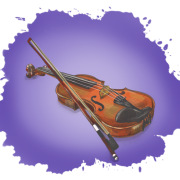
Violin - Musical Instruments
 intermediate
Explore how bowed string instruments, such as the violin, viola, and cello, produce sound through bowing techniques while enhancing your English skills.
1
باب

The Violin: A Timeless Instrument
وائلن دنیا کے سب سے زیادہ اظہار کرنے والے اور ہمہ گیر آلات میں سے ایک ہے، جو جذبات کی ایک وسیع رینج کو بیدار کرنے کی اپنی صلاحیت کے لیے جانا جاتا ہے۔ کلاسیکی موسیقی کے عظیم کنسرٹ ہالز سے لے کر لوک اور جدید اصناف کے زندہ دھنوں تک، وائلن کی امیر، گونجتی ہوئی آواز نے صدیوں سے سامعین کو موہ لیا ہے۔ اس کی تاریخ موسیقی کی ارتقاء کے ساتھ گہرائی سے جڑی ہوئی ہے، اور اس کا ڈیزائن اور کاریگری نسلوں سے کامل ہو چکے ہیں۔


The History of the Violin
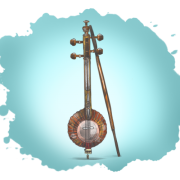
وائلن پہلی بار 16ویں صدی میں شمالی اٹلی میں بنایا گیا تھا۔ بہت سے مورخین کا خیال ہے کہ وائلن قدیم تار والے آلات جیسے قرون وسطی کے فڈل اور ریبیک سے تیار ہوا ہے۔ سب سے پہلے وائلن بنانے والوں میں سے ایک "اینڈریا اماتی" نامی شخص تھا۔ انہیں اکثر "جدید وائلن کا باپ" کہا جاتا ہے کیونکہ انہوں نے پہلے ایسے آلات بنائے جو دیکھنے اور سننے میں آج کے وائلن جیسے ہیں۔
دلچسپ بات یہ ہے کہ وائلن کو ہمیشہ اس نام سے نہیں پکارا جاتا تھا۔ اس کے ابتدائی سالوں میں، اسے خطے کے لحاظ سے مختلف ناموں سے پکارا جاتا تھا، جیسے اطالوی میں "violino"، جس کا مطلب ہے "چھوٹی ویلہ"۔ وقت گزرنے کے ساتھ، "وائلن" کا نام بہت سی زبانوں میں معیاری اصطلاح بن گیا۔
وائلن اپنی کثیر الاستعمالی کی وجہ سے جلد ہی یورپ بھر میں مقبول ہو گیا۔ اس کو زندہ رقص کی موسیقی اور سست، جذباتی دھنوں دونوں کو بجانے کے لیے استعمال کیا جا سکتا تھا۔ 18ویں صدی تک، مشہور موسیقار جیسے کہ "اینٹونیو ویوالڈی" اور "جوہان سیبسٹین باخ" وائلن کے لیے خوبصورت موسیقی لکھ رہے تھے۔ اس سے آلہ موسیقی کو مزید مقبولیت حاصل کرنے میں مدد ملی۔
How a Violin is Made
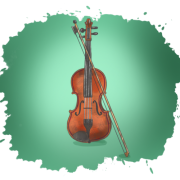
وائلن بنانا ایک بہت نازک عمل ہے۔ یہ ایک فن ہے جو نسل در نسل منتقل ہوتا رہا ہے۔ وائلن عام طور پر لکڑی سے بنائے جاتے ہیں، جیسے سپروس اور میپل۔ وائلن کے اوپر کے حصے کو پیٹ کہا جاتا ہے، اور یہ سپروس سے بنا ہوتا ہے کیونکہ یہ لکڑی ایک صاف اور روشن آواز پیدا کرتی ہے۔ پیچھے اور اطراف میپل سے بنے ہوتے ہیں، جو وائلن کو اس کی گرم ٹون دیتے ہیں۔
بنانے والا، جسے لوتھیر کہا جاتا ہے، لکڑی کو احتیاط سے تراشتا ہے تاکہ کامل شکل بنائی جا سکے۔ وائلن مضبوط ہونا چاہیے لیکن ہلکا بھی تاکہ وہ خوبصورت آوازیں پیدا کر سکے۔ ایک بار جب جسم مکمل ہو جاتا ہے، لوتھیر تاروں، فنگر بورڈ، اور کمان کو شامل کرتا ہے۔ تار سٹیل یا مصنوعی مواد سے بنے ہوتے ہیں، لیکن ماضی میں، وہ بھیڑ کی آنت سے بنے ہوتے تھے!
وائلن کی ایک دلچسپ خصوصیت ساؤنڈ پوسٹ ہے۔ یہ آلہ کے اندر ایک چھوٹی سی لکڑی کی چھڑی ہے جو تاروں کے ارتعاشات کو جسم تک منتقل کرنے میں مدد کرتی ہے۔ ساؤنڈ پوسٹ کے بغیر، وائلن اپنی بھرپور اور گونجتی ہوئی آواز پیدا نہیں کر پائے گا۔
The Role of the Violin in Music
وائلن اپنی کثیر الجہتی کے لیے جانا جاتا ہے۔ یہ کلاسیکی سے لے کر لوک اور یہاں تک کہ جاز تک بہت سے مختلف انداز کی موسیقی میں بجایا جا سکتا ہے۔ ایک آرکسٹرا میں، وائلن اکثر دھن بجاتا ہے کیونکہ اس کی آواز روشن اور اظہار پر مبنی ہوتی ہے۔ آرکسٹرا میں وائلن کے ایک گروپ کو سیکشن کہا جاتا ہے۔ ایک ساتھ مل کر، وہ ایک طاقتور اور ہم آہنگ آواز پیدا کرتے ہیں۔
لوک موسیقی میں، وائلن کو کبھی کبھار فڈل کہا جاتا ہے۔ فڈل کھیلنے والے کلاسیکی وائلن نوازوں کے جیسے ہی آلہ استعمال کرتے ہیں، لیکن وہ زیادہ آرام دہ انداز میں کھیلتے ہیں۔ مثال کے طور پر، وہ اکثر تال برقرار رکھنے کے لیے کھیلتے وقت اپنے پیروں کو تھپتھپاتے ہیں۔ وائلن جدید موسیقی کی صنفوں جیسے راک اور پاپ میں بھی استعمال ہوتا ہے۔ "لنڈسی سٹرلنگ" جیسے مشہور موسیقاروں نے دکھایا ہے کہ وائلن ایک الیکٹرک گٹار جتنا ہی دلچسپ ہو سکتا ہے۔
Learning to Play the Violin
وائلن بجانا سیکھنا آسان نہیں ہے، لیکن یہ بہت فائدہ مند ہو سکتا ہے۔ ابتدائی طور پر لوگ عام طور پر سادہ مشقوں سے شروع کرتے ہیں تاکہ آلہ اور کمان کو صحیح طریقے سے پکڑنا سیکھ سکیں۔ وقت کے ساتھ، وہ اپنی تکنیک کو بہتر بنانے کے لیے سکیلز اور گانے مشق کرتے ہیں۔ وائلن بجانے میں ماہر ہونے کے لیے بہت سے گھنٹوں کی مشق درکار ہوتی ہے۔
نیو وائلن کھلاڑیوں کے لیے ایک چیلنج صاف آواز پیدا کرنا سیکھنا ہے۔ کمان کو تاروں پر ہمواری سے پھسلنا چاہیے، اور انگلیوں کو تاروں پر صحیح مقدار میں دباؤ ڈالنا چاہیے۔ اکثر کہا جاتا ہے کہ وائلن بجانا رسی پر چلنے جیسا ہے۔ تاہم، ایک بار جب کوئی کھلاڑی ان مہارتوں میں مہارت حاصل کر لیتا ہے، تو وہ ایسی موسیقی بنا سکتا ہے جو دل کو چھو لے۔
Famous Violinists
تاریخ کے دوران، بہت سے مشہور وائلن نواز ہوئے ہیں جنہوں نے اپنی صلاحیتوں سے سامعین کو حیران کیا۔ تمام وقت کے سب سے مشہور وائلن نوازوں میں سے ایک "نیکولو پاگانینی" ہے۔ وہ 1782 میں اٹلی میں پیدا ہوا تھا اور اپنی ناقابل یقین رفتار اور تکنیکی مہارت کے لیے جانا جاتا تھا۔ لوگ اکثر کہتے تھے کہ اس کا بجانا اتنا غیر معمولی تھا کہ یہ تقریباً جادوئی لگتا تھا۔


ایک اور مشہور وائلن نواز "ایتزاک پرلمین" ہیں، جو اپنے گرم لہجے اور اظہار خیز بجانے کے لیے پسند کیے جاتے ہیں۔ انہوں نے دنیا کی کچھ بہترین آرکسٹرا کے ساتھ پرفارم کیا ہے اور بہت سے نوجوان موسیقاروں کو وائلن سیکھنے کی ترغیب دی ہے۔ "میدوری گوٹو" ایک اور مشہور وائلن نواز ہیں۔ انہوں نے صرف 11 سال کی عمر میں پیشہ ورانہ طور پر پرفارم کرنا شروع کیا تھا، اور وہ اپنی صلاحیت سے سامعین کو حیران کرتی رہتی ہیں۔
Fun Fact: The Most Expensive Violin in the World
کیا آپ جانتے ہیں کہ اب تک فروخت ہونے والا سب سے مہنگا وائلن «Vieuxtemps Guarneri del Gesù» کہلاتا تھا؟ اسے 1741 میں «Giuseppe Guarneri» نے بنایا تھا، جو تاریخ کے سب سے بڑے وائلن سازوں میں سے ایک ہے۔ یہ وائلن حیرت انگیز 16 ملین ڈالر میں فروخت ہوا تھا! اسے اتنا خاص کیا بناتا ہے؟ یہ صرف وائلن کی عمر نہیں ہے، بلکہ اس کی آواز کا معیار بھی ہے۔ بہت سے ماہرین کا خیال ہے کہ کوئی بھی جدید آلہ اس کے بھرپور اور طاقتور لہجے کا مقابلہ نہیں کر سکتا۔ وائلن اتنا قیمتی ہے کہ اسے اکثر پیشہ ور موسیقاروں کو ادھار دیا جاتا ہے جو اس کی حالت کو محفوظ رکھنے کا بہت خیال رکھتے ہیں۔
1. Violin
Bowed String Instruments
100%
What is the main reason the violin became popular across Europe?
It was easy to learn.
It was cheap to make.
It was versatile and could be used for different styles of music.
It was louder than other instruments.
Arrange the steps of making a violin in the correct order:
Match each person with their contribution to the violin world:
Complete the sentences about violin materials.
Violins are usually made from different types of wood. The
is used for the top because it produces a clear sound. The back and sides are made from
to give the violin its warm tone. In the past, violin strings were made from
, but today they are made from steel or synthetic materials.
Complete the missing information about the violin’s role in music.
| Music Style | Violin's Role |
|---|---|
Classical | Often plays the in orchestras |
Folk | Called a , played in a casual style |
Modern | Used in and pop music (e.g., Lindsey Stirling) |
Which statement is TRUE?
The violin was invented in Germany.
Learning the violin is easy.
The violin is only used in classical music.
The violin is used in many different music styles.
Which statement is FALSE?
The most expensive violin ever sold was the Vieuxtemps Guarneri del Gesù.
Violins are always made from plastic.
Andrea Amati was an early violin maker.
Violins were once called "violino" in Italian.