Food Industry
Chef - Jobs
 intermediate
Boost your English while exploring how the food industry grows, prepares, and innovates to feed people around the world.
1
chương

The Role of a Chef
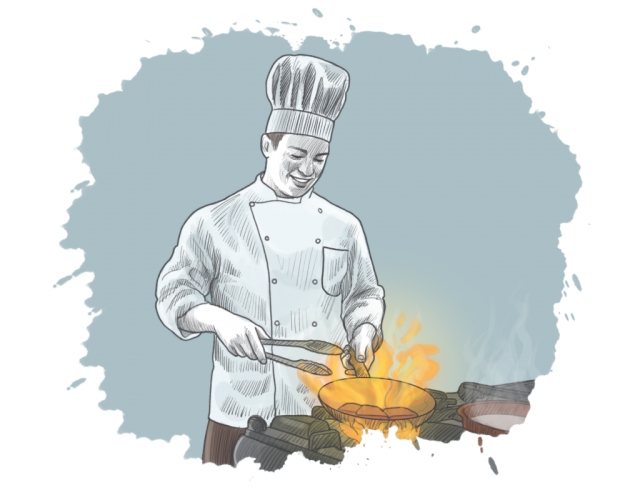
Một đầu bếp là một chuyên gia có tay nghề làm việc trong nhà bếp để tạo ra những bữa ăn ngon miệng. Công việc này không chỉ là nấu ăn; nó còn là quản lý nhà bếp, lên kế hoạch thực đơn và đảm bảo mỗi món ăn đều hoàn hảo. Đầu bếp làm việc trong các nhà hàng, khách sạn, công ty cung cấp suất ăn và thậm chí là nhà riêng. Công việc của họ đòi hỏi sự sáng tạo, tổ chức và tình yêu đối với thức ăn.
Làm đầu bếp thường được mô tả là làm việc trong trái tim của nhà hàng. Nhà bếp có thể là một nơi bận rộn, và một đầu bếp phải giữ bình tĩnh dưới áp lực. Thời gian là tất cả vì các bữa ăn cần được phục vụ nóng và tươi. Các đầu bếp cũng cần làm việc tốt với đội ngũ của họ, bao gồm cả đầu bếp và trợ lý. Mọi người trong bếp đóng một vai trò quan trọng trong việc phục vụ những bữa ăn tuyệt vời cho khách hàng.
The Journey to Becoming a Chef
Trở thành một đầu bếp cần thời gian, nỗ lực và sự cống hiến. Hầu hết các đầu bếp bắt đầu hành trình của họ bằng cách học các kỹ năng nấu ăn cơ bản. Một số đến trường ẩm thực nơi họ học các kỹ thuật nấu ăn, an toàn thực phẩm và dinh dưỡng. Những người khác bắt đầu như trợ lý bếp và học hỏi trong công việc. Dù bằng cách nào, thực hành là điều cần thiết để thành thạo nghệ thuật nấu ăn.
Kinh nghiệm là một trong những người thầy tốt nhất đối với một đầu bếp. Nhiều đầu bếp làm việc trong các nhà bếp khác nhau để có được kiến thức về các loại thực phẩm khác nhau. Ví dụ, một đầu bếp có thể làm việc trong một nhà hàng Ý để học cách làm mì ống hoặc trong một nhà hàng Nhật Bản để tìm hiểu về sushi. Kinh nghiệm này giúp các đầu bếp phát triển phong cách nấu ăn độc đáo của riêng họ.
Types of Chefs
Có nhiều loại đầu bếp trong một bếp chuyên nghiệp, mỗi người có nhiệm vụ cụ thể giúp bếp hoạt động trơn tru. Đầu bếp điều hành là người lãnh đạo, lên kế hoạch thực đơn, giám sát đội ngũ và đảm bảo thực phẩm đạt tiêu chuẩn cao. Họ hiếm khi nấu ăn, thay vào đó tập trung vào quản lý và sáng tạo. Bếp phó, hoặc người thứ hai, làm việc chặt chẽ với đầu bếp điều hành, giúp quản lý bếp và đảm nhận khi cần. Đầu bếp bánh ngọt chuyên về món tráng miệng, bánh mì và đồ nướng, yêu cầu độ chính xác và tài năng trang trí.
Một vai trò quan trọng khác là Đầu bếp Dây chuyền, còn được gọi là Đầu bếp Dây chuyền, người chuẩn bị các món ăn cụ thể trong giờ phục vụ bữa ăn. Ví dụ, một đầu bếp nướng xử lý tất cả các món nướng, trong khi một đầu bếp xào chuẩn bị các món ăn được nấu trong chảo. Mỗi loại đầu bếp đóng một vai trò quan trọng, và cùng nhau họ tạo thành một đội ngũ đảm bảo mỗi bữa ăn đều thành công.
The Daily Life of a Chef
Một ngày của đầu bếp bắt đầu sớm và thường kết thúc muộn. Họ bắt đầu bằng cách kiểm tra các nguyên liệu để đảm bảo mọi thứ đều tươi và chất lượng cao. Lên thực đơn là một nhiệm vụ quan trọng khác. Một đầu bếp quyết định món nào sẽ được phục vụ dựa trên mùa, nguyên liệu có sẵn và sở thích của khách hàng.
Trong quá trình chuẩn bị bữa ăn, nhà bếp trở thành một tổ ong hoạt động. Các đầu bếp giám sát nhóm của họ, nếm thức ăn và điều chỉnh khi cần thiết. Họ cũng chú ý đến trình bày vì cách một món ăn trông quan trọng như hương vị của nó. Sau khi phục vụ, các đầu bếp thường xem lại công việc trong ngày và lên kế hoạch cho ngày hôm sau.
Skills Every Chef Needs
Nấu ăn là trọng tâm công việc của một đầu bếp, nhưng vai trò còn hơn cả nấu ăn. Các đầu bếp cần có kỹ năng giao tiếp tuyệt vời để làm việc với nhóm của họ và quản lý nhà bếp. Họ cũng cần giải quyết vấn đề nhanh chóng. Nếu thiếu một nguyên liệu hoặc một món ăn không được như mong đợi, đầu bếp phải tìm ra giải pháp ngay lập tức.
Chú ý đến chi tiết là một kỹ năng quan trọng khác. Một sai lầm nhỏ, chẳng hạn như quên thêm muối, có thể thay đổi hoàn toàn hương vị của món ăn. Các đầu bếp cũng cần phải sáng tạo. Họ thường nghĩ ra các công thức mới hoặc tìm cách cải thiện các món ăn truyền thống.


Famous Types of Cuisine
Các đầu bếp thường chuyên về một loại ẩm thực cụ thể, như Pháp, Trung Quốc hoặc Ấn Độ. Ẩm thực Pháp nổi tiếng với các loại nước sốt và bánh ngọt. Ẩm thực Trung Quốc thường sử dụng rau tươi, gạo và hương vị đậm đà. Ẩm thực Ấn Độ nổi tiếng với gia vị và cà ri. Mỗi nền ẩm thực có kỹ thuật và truyền thống riêng, và các đầu bếp phải học hỏi những điều này để xuất sắc trong lĩnh vực của họ.
Ẩm thực fusion là một lĩnh vực thú vị khác. Đây là khi các đầu bếp kết hợp các yếu tố từ các nền ẩm thực khác nhau để tạo ra một cái gì đó mới. Ví dụ, một đầu bếp có thể trộn hương vị Nhật Bản và Mexico để làm món sushi taco. Sự sáng tạo này cho phép các đầu bếp khám phá vô số khả năng trong nhà bếp.
Great Chefs in History
Trong suốt lịch sử, nhiều đầu bếp đã để lại dấu ấn trong thế giới ẩm thực. Một ví dụ nổi tiếng là 'Auguste Escoffier', thường được gọi là 'Vua của các đầu bếp' và 'Đầu bếp của các vị vua'. Ông đã hiện đại hóa ẩm thực Pháp và giới thiệu các phương pháp vẫn được sử dụng trong các nhà bếp ngày nay. Một đầu bếp huyền thoại khác là 'Julia Child', người đã giới thiệu ẩm thực Pháp đến với khán giả nói tiếng Anh qua sách và chương trình truyền hình của mình. Những đầu bếp này và những người khác như họ đã truyền cảm hứng cho nhiều thế hệ đầu bếp theo đuổi sự xuất sắc trong nhà bếp.
The Challenges of Being a Chef
Cuộc sống của một đầu bếp không phải là tất cả hào nhoáng. Nhà bếp có thể là một môi trường nóng bức và căng thẳng. Các đầu bếp thường làm việc nhiều giờ, bao gồm cả buổi tối, cuối tuần và ngày lễ. Công việc này cũng đòi hỏi sức bền thể chất vì các đầu bếp dành phần lớn thời gian của họ đứng trên đôi chân.
Mặc dù có những thách thức này, nhiều đầu bếp thấy công việc của họ rất bổ ích. Có một cảm giác tự hào khi tạo ra những món ăn mang lại niềm vui cho người khác. Công việc của một đầu bếp không chỉ là nuôi sống mọi người; đó là về việc tạo ra trải nghiệm và kỷ niệm.
Fun Fact: The Story Behind the Chef's Hat
Bạn có biết rằng chiếc mũ của đầu bếp, được gọi là "toque", có 100 nếp gấp? Mỗi nếp gấp được cho là đại diện cho một cách nấu trứng khác nhau. Truyền thống này bắt đầu ở Pháp, nơi các đầu bếp coi trọng sự chính xác và tinh thông. Chiếc toque không chỉ là một chiếc mũ — nó là biểu tượng của kiến thức và kinh nghiệm của một đầu bếp. Ngay cả ngày nay, nhiều đầu bếp vẫn đội chiếc mũ này như một phần của đồng phục, tôn vinh lịch sử và niềm tự hào của nghề nghiệp.

1. Chef
Food Industry
100%
What is the main responsibility of an Executive Chef?
Baking cakes and bread
Serving food to customers
Supervising the team and planning menus
Washing dishes and cleaning the kitchen
Sort the following steps to becoming a chef in the correct order.
Which of the following are roles found in a professional kitchen? (Choose all that apply)
Executive Chef
Grill Chef
Dish Designer
Pastry Chef
Nutrition Inspector
Frying Supervisor
Sous Chef
Complete the table about types of chefs and their roles based on the provided information.
| Role | Chef |
|---|---|
Plans the menu and supervises the team | |
Specializes in desserts and baked goods | |
Second-in-command in the kitchen | |
Prepares assigned items during meal service |
Match the type of chef with their role.
Which of the following cuisines is especially known for spices and curries?
French cuisine
Chinese cuisine
American cuisine
Indian cuisine
Fill in the blanks with the correct words from the text (There are four extra options).
The
is often described as the heart of the restaurant.
The
Chef is the second-in-command and helps manage the kitchen.
Chefs check that
are fresh and of high quality before starting their day.
Chefs specializing in
cuisine often use rich sauces and pastries.
The traditional chef's hat is called a
and has 100 folds.
Match the cuisine with what it is known for.
Which of the following statements are true according to the passage? (Choose all that apply)
Culinary school is one way to begin a chef's career.
Chefs need to work alone to stay focused.
French cuisine is famous for sauces and pastries.
The kitchen is often a fast-paced and stressful place.
Chefs usually wear white gloves while cooking.
Some chefs develop fusion dishes using different cuisines.
Julia Child helped popularize Italian cuisine worldwide.
What does each fold in a chef's hat (toque) traditionally represent?
One recipe the chef has memorized
A different way to cook an egg
A type of pastry
A famous chef from history