
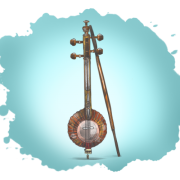

Bowed String Instruments
Violin - Musical Instruments
 intermediate
Explore how bowed string instruments, such as the violin, viola, and cello, produce sound through bowing techniques while enhancing your English skills.
1
chương

The Violin: A Timeless Instrument
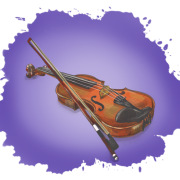
Đàn violin là một trong những nhạc cụ biểu cảm và linh hoạt nhất trên thế giới, được biết đến với khả năng gợi lên một loạt các cảm xúc. Từ những phòng hòa nhạc lớn của âm nhạc cổ điển đến những giai điệu sôi động của các thể loại dân gian và hiện đại, âm thanh phong phú, vang dội của cây đàn violin đã mê hoặc khán giả trong nhiều thế kỷ. Lịch sử của nó gắn liền với sự phát triển của âm nhạc, và thiết kế cũng như kỹ thuật chế tác của nó đã được hoàn thiện qua nhiều thế hệ.


The History of the Violin
Đàn violin lần đầu tiên được tạo ra vào thế kỷ 16 ở miền bắc nước Ý. Nhiều nhà sử học tin rằng violin đã tiến hóa từ các nhạc cụ dây cũ hơn như fiddle thời trung cổ và rebec. Một trong những người chế tạo violin đầu tiên là một người đàn ông tên là "Andrea Amati". Ông thường được gọi là "cha đẻ của violin hiện đại" vì ông đã tạo ra những nhạc cụ đầu tiên trông và nghe giống như những cây violin mà chúng ta biết ngày nay.
Thú vị là, violin không phải lúc nào cũng được gọi bằng cái tên này. Trong những năm đầu, nó được gọi bằng nhiều tên khác nhau tùy theo khu vực, chẳng hạn như "violino" trong tiếng Ý, có nghĩa là "viola nhỏ". Theo thời gian, tên "violin" đã trở thành thuật ngữ tiêu chuẩn trong nhiều ngôn ngữ.
Cây vĩ cầm nhanh chóng trở nên phổ biến khắp châu Âu nhờ vào tính linh hoạt của nó. Nó có thể được sử dụng để chơi cả nhạc nhảy sôi động và những giai điệu chậm, đầy cảm xúc. Đến thế kỷ 18, các nhà soạn nhạc nổi tiếng như "Antonio Vivaldi" và "Johann Sebastian Bach" đã viết những bản nhạc tuyệt đẹp cho cây vĩ cầm. Điều này đã giúp nhạc cụ này ngày càng trở nên phổ biến hơn.
How a Violin is Made
Làm một cây vĩ cầm là một quá trình rất tinh tế. Đó là một nghệ thuật đã được truyền từ thế hệ này sang thế hệ khác. Vĩ cầm thường được làm từ gỗ, như gỗ vân sam và gỗ thích. Phần trên của cây vĩ cầm được gọi là bụng, và nó được làm từ gỗ vân sam vì loại gỗ này tạo ra âm thanh trong và sáng. Phần sau và các bên được làm từ gỗ thích, mang lại cho cây vĩ cầm âm sắc ấm áp.
Người chế tạo, được gọi là thợ làm đàn, cẩn thận khắc gỗ để tạo ra hình dáng hoàn hảo. Cây vĩ cầm phải chắc chắn nhưng cũng phải nhẹ để có thể tạo ra âm thanh đẹp. Khi thân đàn hoàn thành, người thợ làm đàn thêm dây, bàn phím và cây vĩ. Dây được làm bằng thép hoặc vật liệu tổng hợp, nhưng trong quá khứ, chúng được làm từ ruột cừu!
Một đặc điểm thú vị của violin là trụ âm thanh. Đây là một thanh gỗ nhỏ bên trong nhạc cụ giúp truyền rung động của dây đến thân đàn. Nếu không có trụ âm thanh, violin sẽ không tạo ra âm thanh phong phú và vang dội.
The Role of the Violin in Music
Đàn violin được biết đến với sự đa dụng. Nó có thể được chơi trong nhiều phong cách âm nhạc khác nhau, từ cổ điển đến dân gian và thậm chí là jazz. Trong một dàn nhạc, violin thường chơi giai điệu vì âm thanh sáng và biểu cảm của nó. Một nhóm violin trong dàn nhạc được gọi là một bộ phận. Cùng nhau, họ tạo ra một âm thanh mạnh mẽ và hài hòa.
Trong âm nhạc dân gian, violin đôi khi được gọi là fiddle. Những người chơi fiddle sử dụng cùng một nhạc cụ như các nghệ sĩ violin cổ điển, nhưng họ chơi theo phong cách thoải mái hơn. Ví dụ, họ thường dậm chân trong khi chơi để giữ nhịp. Violin cũng được sử dụng trong các thể loại nhạc hiện đại như rock và pop. Những nhạc sĩ nổi tiếng như "Lindsey Stirling" đã chứng minh rằng violin có thể thú vị không kém một cây guitar điện.
Learning to Play the Violin
Học chơi violin không dễ, nhưng nó có thể rất bổ ích. Người mới bắt đầu thường bắt đầu với các bài tập đơn giản để học cách cầm đàn và cung vĩ đúng cách. Theo thời gian, họ luyện tập các thang âm và bài hát để cải thiện kỹ thuật. Cần rất nhiều giờ luyện tập để trở nên thành thạo trong việc chơi violin.
Một thách thức đối với những người chơi violin mới là học cách tạo ra âm thanh trong trẻo. Cây vĩ phải trượt nhẹ nhàng trên dây, và các ngón tay phải nhấn xuống dây với lực vừa đủ. Người ta thường nói rằng chơi violin giống như đi trên dây. Tuy nhiên, một khi người chơi thành thạo những kỹ năng này, họ có thể tạo ra âm nhạc chạm đến trái tim.
Famous Violinists
Trong suốt lịch sử, đã có nhiều nghệ sĩ violin nổi tiếng đã làm kinh ngạc khán giả với tài năng của họ. Một trong những nghệ sĩ violin nổi tiếng nhất mọi thời đại là "Niccolò Paganini". Ông sinh ra ở Ý vào năm 1782 và được biết đến với tốc độ đáng kinh ngạc và kỹ năng kỹ thuật. Người ta thường nói rằng cách chơi của ông quá phi thường đến mức gần như ma thuật.


Một nghệ sĩ vĩ cầm nổi tiếng khác là "Itzhak Perlman", được ngưỡng mộ vì âm sắc ấm áp và cách chơi đầy cảm xúc. Ông đã biểu diễn cùng một số dàn nhạc tốt nhất thế giới và đã truyền cảm hứng cho nhiều nhạc sĩ trẻ học chơi vĩ cầm. "Midori Goto" là một nghệ sĩ vĩ cầm nổi tiếng khác. Cô bắt đầu biểu diễn chuyên nghiệp khi mới 11 tuổi và tiếp tục làm khán giả kinh ngạc với tài năng của mình.
Fun Fact: The Most Expensive Violin in the World
Bạn có biết rằng cây vĩ cầm đắt nhất từng được bán có tên gọi là «Vieuxtemps Guarneri del Gesù»? Nó được chế tạo vào năm 1741 bởi «Giuseppe Guarneri», một trong những nhà chế tạo vĩ cầm vĩ đại nhất trong lịch sử. Cây vĩ cầm này đã được bán với giá 16 triệu đô la Mỹ đáng kinh ngạc! Điều gì làm nó đặc biệt? Không chỉ là tuổi đời của cây vĩ cầm, mà còn là chất lượng âm thanh của nó. Nhiều chuyên gia tin rằng không có nhạc cụ hiện đại nào có thể sánh được với âm sắc phong phú và mạnh mẽ của nó. Cây vĩ cầm quý giá đến nỗi nó thường được cho các nhạc sĩ chuyên nghiệp mượn, những người rất cẩn thận để bảo quản tình trạng của nó.
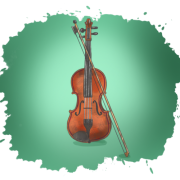
1. Violin
Bowed String Instruments
100%
What is the main reason the violin became popular across Europe?
It was easy to learn.
It was cheap to make.
It was versatile and could be used for different styles of music.
It was louder than other instruments.
Arrange the steps of making a violin in the correct order:
Match each person with their contribution to the violin world:
Complete the sentences about violin materials.
Violins are usually made from different types of wood. The
is used for the top because it produces a clear sound. The back and sides are made from
to give the violin its warm tone. In the past, violin strings were made from
, but today they are made from steel or synthetic materials.
Complete the missing information about the violin’s role in music.
| Music Style | Violin's Role |
|---|---|
Classical | Often plays the in orchestras |
Folk | Called a , played in a casual style |
Modern | Used in and pop music (e.g., Lindsey Stirling) |
Which statement is TRUE?
The violin was invented in Germany.
Learning the violin is easy.
The violin is only used in classical music.
The violin is used in many different music styles.
Which statement is FALSE?
The most expensive violin ever sold was the Vieuxtemps Guarneri del Gesù.
Violins are always made from plastic.
Andrea Amati was an early violin maker.
Violins were once called "violino" in Italian.