Albert Einstein

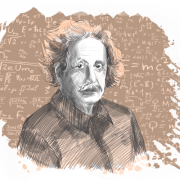
Albert Einstein

Marie Curie
Marie Curie

Isaac Newton

Isaac Newton

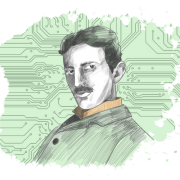
Nikola Tesla

Nikola Tesla

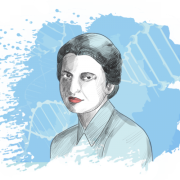
Rosalind Franklin

Rosalind Franklin

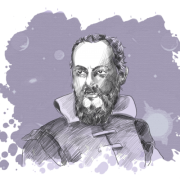
Galileo Galilei

Galileo Galilei

J. Robert Oppenheimer
J. Robert Oppenheimer

Charles Darwin
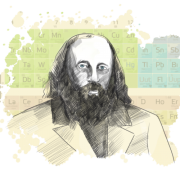
Charles Darwin

Dmitri Mendeleev

Dmitri Mendeleev

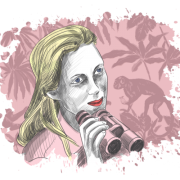
Jane Goodall

Jane Goodall

Alexander Graham Bell

Alexander Graham Bell

Ada Lovelace
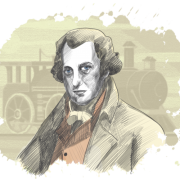
Ada Lovelace

James Watt

James Watt

Carl Linnaeus

Carl Linnaeus

Archimedes

Archimedes

Thomas Edison

Thomas Edison

Mary Anning

Mary Anning

George Washington Carver
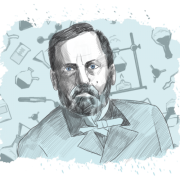
George Washington Carver

Louis Pasteur
Louis Pasteur

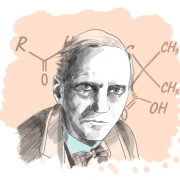
Alexander Fleming

Alexander Fleming

Scientists

Scientists

Albert Einstein - Famous People

40 chapters
levelbeginner

Read simple stories from famous scientists to improve your language skills and explore the exciting discoveries they have made.

Vocabulary
1.
Germany
[n]
/ˈdʒɝːməni/
2.
smart
[adj]
/smɑːrt/
3.
change
[v]
/tʃeɪndʒ/
4.
universe
[n]
/ˈjunəˌvɝs/
5.
explore
[v]
/ɪkˈsplɔr/
6.
understand
[v]
/ˌʌndɚˈstænd/
7.
work
[v]
/wɝːk/
8.
college
[n]
/ˈkɑːlɪdʒ/
9.
Switzerland
[n]
/ˈswɪtsɚˌlænd/
10.
physics
[n]
/ˈfɪzɪks/
11.
math
[n]
12.
invention
[n]
/ˌɪnˈvɛnʃən/
13.
give
[v]
/ɡɪv/
14.
article
[n]
/ˈɑːrtɪkəl/
15.
important
[adj]
/ɪmˈpɔrtənt/
16.
writing
[n]
/ˈraɪtɪŋ/
17.
light
[n]
/laɪt/
18.
atom
[n]
/ˈætəm/
19.
energy
[n]
/ˈɛnɚʤi/
20.
famous
[adj]
/ˈfeɪməs/
21.
theory
[n]
/ˈθɪri/ , /ˈθiːəri/
22.
explain
[v]
/ɪkˈspleɪn/
23.
win
[v]
/wɪn/
24.
nobel prize
[n]
/noʊbˈɛl pɹˈaɪz/
25.
excellent
[adj]
/ˈɛksələnt/
26.
science
[n]
/ˈsaɪəns/
27.
move
[v]
/muv/
28.
United States
[n]
/juːˈnaɪtɪd ˈsteɪts/
29.
worry
[v]
/ˈwɝi/
30.
safety
[n]
/ˈseɪfti/
31.
Jewish
[adj]
/ˈdʒuɪʃ/
32.
government
[n]
/ˈɡʌvɚnmənt/
33.
citizen
[n]
/ˈsɪtəzən/, /ˈsɪtɪzən/
34.
die
[v]
/daɪ/
35.
New Jersey
[n]
/nˈuː dʒˈɜːsi/
36.
inspire
[v]
/ˌɪnˈspaɪɹ/
37.
sock
[n]
/sɑːk/
38.
useless
[adj]
/ˈjusɫəs/
39.
joke
[v]
/dʒoʊk/

1.
Germany
[n]
/ˈdʒɝːməni/
2.
smart
[adj]
/smɑːrt/
3.
change
[v]
/tʃeɪndʒ/
4.
universe
[n]
/ˈjunəˌvɝs/
5.
explore
[v]
/ɪkˈsplɔr/
6.
understand
[v]
/ˌʌndɚˈstænd/
7.
work
[v]
/wɝːk/
8.
college
[n]
/ˈkɑːlɪdʒ/
9.
Switzerland
[n]
/ˈswɪtsɚˌlænd/
10.
physics
[n]
/ˈfɪzɪks/
11.
math
[n]
12.
invention
[n]
/ˌɪnˈvɛnʃən/
13.
give
[v]
/ɡɪv/
14.
article
[n]
/ˈɑːrtɪkəl/
15.
important
[adj]
/ɪmˈpɔrtənt/
16.
writing
[n]
/ˈraɪtɪŋ/
17.
light
[n]
/laɪt/
18.
atom
[n]
/ˈætəm/
19.
energy
[n]
/ˈɛnɚʤi/
20.
famous
[adj]
/ˈfeɪməs/
21.
theory
[n]
/ˈθɪri/ , /ˈθiːəri/
22.
explain
[v]
/ɪkˈspleɪn/
23.
win
[v]
/wɪn/
24.
nobel prize
[n]
/noʊbˈɛl pɹˈaɪz/
25.
excellent
[adj]
/ˈɛksələnt/
26.
science
[n]
/ˈsaɪəns/
27.
move
[v]
/muv/
28.
United States
[n]
/juːˈnaɪtɪd ˈsteɪts/
29.
worry
[v]
/ˈwɝi/
30.
safety
[n]
/ˈseɪfti/
31.
Jewish
[adj]
/ˈdʒuɪʃ/
32.
government
[n]
/ˈɡʌvɚnmənt/
33.
citizen
[n]
/ˈsɪtəzən/, /ˈsɪtɪzən/
34.
die
[v]
/daɪ/
35.
New Jersey
[n]
/nˈuː dʒˈɜːsi/
36.
inspire
[v]
/ˌɪnˈspaɪɹ/
37.
sock
[n]
/sɑːk/
38.
useless
[adj]
/ˈjusɫəs/
39.
joke
[v]
/dʒoʊk/
1.
Germany
[n]
/ˈdʒɝːməni/
a country located in central Europe, known for its rich history, vibrant culture, and thriving economy
2.
smart
[adj]
/smɑːrt/
able to think and learn in a good and quick way
3.
change
[v]
/tʃeɪndʒ/
to make a person or thing different
4.
universe
[n]
/ˈjunəˌvɝs/
all that exists in the physical world, such as space, planets, galaxies, etc.
5.
explore
[v]
/ɪkˈsplɔr/
to investigate something to gain knowledge or understanding about it
6.
understand
[v]
/ˌʌndɚˈstænd/
to comprehend the significance of or the logic or reason behind something
7.
work
[v]
/wɝːk/
to have a specific impact
8.
college
[n]
/ˈkɑːlɪdʒ/
a university in which students can study up to a bachelor's degree after graduation from school
9.
Switzerland
[n]
/ˈswɪtsɚˌlænd/
a country in Western Central Europe, south of Germany
10.
physics
[n]
/ˈfɪzɪks/
the scientific study of matter and energy and the relationships between them, including the study of natural forces such as light, heat, and movement
11.
math
[n]
the study of numbers and shapes that involves calculation and description
12.
invention
[n]
/ˌɪnˈvɛnʃən/
a brand new machine, tool, or process that is made after study and experiment
13.
give
[v]
/ɡɪv/
to provide something for someone
14.
article
[n]
/ˈɑːrtɪkəl/
a piece of writing about a particular subject on a website, in a newspaper, magazine, or other publication
15.
important
[adj]
/ɪmˈpɔrtənt/
having a lot of value
16.
writing
[n]
/ˈraɪtɪŋ/
(plural) written works particularly those belonging to an author or covering a specific topic
17.
light
[n]
/laɪt/
a type of electromagnetic radiation that makes it possible to see, produced by the sun or another source of illumination
18.
atom
[n]
/ˈætəm/
(science) the smallest part of a chemical element that is found in the nature
19.
energy
[n]
/ˈɛnɚʤi/
(physics) a source of power that is required to do any work that may exist in potential, kinetic, thermal and other forms
20.
famous
[adj]
/ˈfeɪməs/
known by a lot of people
21.
theory
[n]
/ˈθɪri/ , /ˈθiːəri/
a set of ideas intended to explain the reason behind the existence or occurrence of something
22.
explain
[v]
/ɪkˈspleɪn/
to provide reasons to make an action or situation seem acceptable
23.
win
[v]
/wɪn/
to be awarded something such as a prize after winning a contest, bet, etc.
24.
nobel prize
[n]
/noʊbˈɛl pɹˈaɪz/
an annual award for outstanding contributions to chemistry or physics or physiology and medicine or literature or economics or peace
25.
excellent
[adj]
/ˈɛksələnt/
very good in quality or other traits
26.
science
[n]
/ˈsaɪəns/
the study of science
27.
move
[v]
/muv/
to change one's place of residence or work
28.
United States
[n]
/juːˈnaɪtɪd ˈsteɪts/
a country in North America that has 50 states
29.
worry
[v]
/ˈwɝi/
to feel upset and nervous because we think about bad things that might happen to us or our problems
30.
safety
[n]
/ˈseɪfti/
the condition of being protected and not affected by any potential risk or threat
31.
Jewish
[adj]
/ˈdʒuɪʃ/
related to the religion, culture, or people of Judaism
32.
government
[n]
/ˈɡʌvɚnmənt/
the group of politicians in control of a country or state
33.
citizen
[n]
/ˈsɪtəzən/, /ˈsɪtɪzən/
someone whose right of belonging to a particular state is legally recognized either because they are born there or are naturalized
34.
die
[v]
/daɪ/
to no longer be alive
35.
New Jersey
[n]
/nˈuː dʒˈɜːsi/
a Mid-Atlantic state on the Atlantic; one of the original 13 colonies
36.
inspire
[v]
/ˌɪnˈspaɪɹ/
to fill someone with the desire or motivation to do something, especially something creative or positive
37.
sock
[n]
/sɑːk/
a soft item of clothing we wear on our feet
38.
useless
[adj]
/ˈjusɫəs/
lacking purpose or function, and unable to help in any way
39.
joke
[v]
/dʒoʊk/
to say something funny or behave in a way that makes people laugh

1

Chapter

star

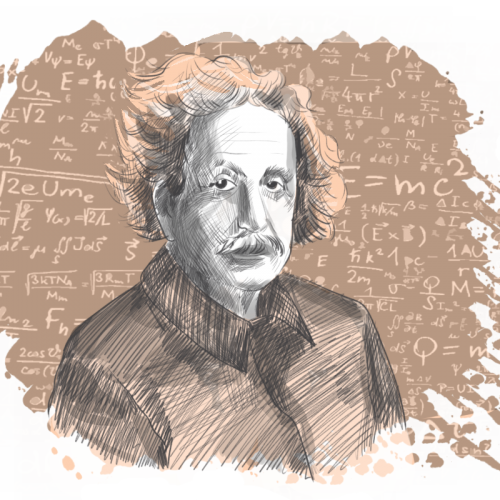
Albert Einstein

Read a short story of a scientist whose theories changed our understanding of time, space, and the universe.

1.1

Albert Einstein was born on March 14, 1879, in Ulm, Germany. He was a very smart man who changed the way we think about the universe. When he was a young boy, he liked to explore and understand how things worked.

1.2

He went to college in Switzerland to learn about physics and math. After college, he worked at a place. In this place they checked new inventions. This job gave him time to think and write about his ideas.

1.3

In 1905, Einstein wrote four important articles. These writings were about light, atoms, and energy. They were so good that they made him famous. One of his famous ideas is called the "Theory of Relativity." This theory explains how time and space work together.

Albert Einstein
1.4

Einstein won the Nobel Prize in Physics in 1921 because of his great work. This is a very special prize that is given to people who do excellent work in science.

1.5

In the 1930s, Einstein moved to the United States. He was worried about the safety of Jewish people in Germany because of the government there. He lived in the United States for the rest of his life. he became a citizen of the United States.

1.6

Albert Einstein died on April 18, 1955, in New Jersey, United States. He was 76 years old. He died because his heart was weak. People remember him for his important science work and his love for learning about the universe. He inspires scientists even now.

1.7

Fun fact : Albert Einstein never wore socks because he thought they were useless. He joked that being without socks helped his brain work better.

1. Albert Einstein

1. Albert Einstein

Scientists


0%
Quiz
1.

Where was Albert Einstein born?

A

Switzerland

B

Germany

C

The United States

D

France

2.

Why did Einstein win the Nobel Prize?

A

For his work in chemistry

B

Because he moved to the United States

C

For his great work in physics

D

Because he discovered a new planet

3.

Put these events in Einstein's life in order:

einstein won the nobel prize.
einstein wrote four important articles.
einstein moved to the united states.
einstein died.
einstein was born.
4.

Match the event with the correct year:

Einstein was born
Einstein won a Nobel Prize
Einstein died
1921
1955
1879
5.

Which one is TRUE?

A

Einstein moved to the United States in the 1920s.

B

Einstein won an award for his work in music.

C

Einstein’s ideas about light, atoms, and energy made him famous.

D

Einstein lived in Germany all his life.

6.

Which one is FALSE?

A

Einstein was born in the United States.

B

Einstein became a citizen of the United States.

C

Einstein died at the age of 76.

D

Einstein wrote important articles about physics.
patternpatternpatternpatternpatternpattern