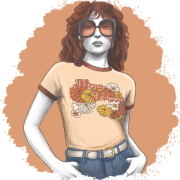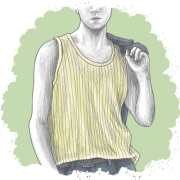

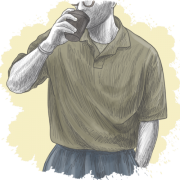
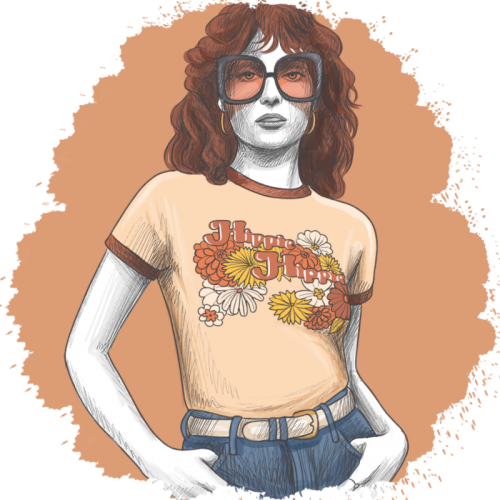
T-Shirt

T-Shirt

Tank Top

Tank Top

Cardigan

Cardigan

Polo Shirt

Polo Shirt

Crop Top

Crop Top

Hoodie

Hoodie

Sports Jersey

Sports Jersey

Sweater

Sweater

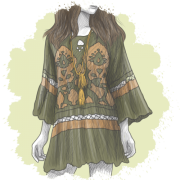
Tunic

Tunic

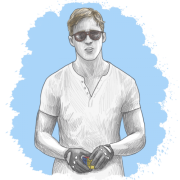
Henley Shirt

Henley Shirt

Casual Tops

Casual Tops

T-Shirt - Clothes and Fashion

20 chapters
levelintermediate

Discover our readings on casual tops to learn about comfortable and stylish choices for everyday wear, from T-shirts to hoodies and more.

Vocabulary
1.
versatile
[adj]
/ˈvɜrsətəl/
2.
clothing
[n]
/ˈkloʊðɪŋ/
3.
closet
[n]
/ˈklɑːzɪt/
4.
staple
[n]
/ˈsteɪpəɫ/
5.
occasion
[n]
/əˈkeɪʒən/
6.
plain
[adj]
/pleɪn/
7.
patterned
[adj]
/ˈpætɝnd/
8.
graphic
[adj]
/ˈɡɹæfɪk/
9.
branded
[adj]
/ˈbɹændɪd/
10.
timeless
[adj]
/ˈtaɪmɫəs/
11.
undergarment
[n]
/ˈəndɝˌɡɑɹmənt/
12.
lightweight
[adj]
/ˈɫaɪtˈweɪt/
13.
breathable
[adj]
/bɹˈiːðəbəl/
14.
laborer
[n]
/ˈleɪbərər/
15.
practical
[adj]
/ˈpræktɪkəl/
16.
manual work
[n]
17.
iconic
[adj]
/ˌaɪˈkɑnɪk/
18.
fashion statement
[n]
/fˈæʃən stˈeɪtmənt/
19.
self-expression
[n]
/ˌsɛɫfɪksˈpɹɛʃən/
20.
slogan
[n]
/ˈsɫoʊɡən/
21.
effort
[n]
/ˈɛfɚt/
22.
identity
[n]
/aɪˈdɛntɪˌti/
23.
belief
[n]
/bəˈlif/
24.
woolen
[adj]
/ˈwʊɫən/
25.
polyester
[n]
/ˌpɑˌɫiˈɛstɝ/
26.
harvest
[v]
/ˈhɑrvɪst/
27.
fabric
[n]
/ˈfæbrɪk/
28.
resemble
[v]
/rɪˈzɛmbəl/
29.
screen printing
[n]
/skɹˈiːn pɹˈɪntɪŋ/
30.
digital printing
[n]
/dˈɪdʒɪɾəl pɹˈɪntɪŋ/
31.
advantage
[n]
/ədˈvæntɪʤ/
32.
flexibility
[n]
/ˌfɫɛksəˈbɪɫəti/
33.
customize
[v]
/ˈkəstəˌmaɪz/
34.
start out
[v]
/stˈɑːɹt ˈaʊt/
35.
affordable
[adj]
/əˈfɔrdəbəl/
36.
wrinkle
[v]
/ˈɹɪŋkəɫ/
37.
accessible
[adj]
/əkˈsɛsəbəl/
38.
individuality
[n]
/ˌɪnˌdɪvɪdʒuˈæɫɪti/
39.
catch on
[v]
/kˈætʃ ˈɑːn/
40.
primarily
[adv]
/pɹaɪˈmɛɹəɫi/
41.
leap
[n]
/ˈɫip/
42.
rebellious
[adj]
/rɪˈbɛljəs/
43.
evolve
[v]
/iˈvɑɫv/, /ɪˈvɑɫv/
44.
canvas
[n]
/ˈkænvəs/
45.
weave
[v]
/wiːv/
46.
sew
[v]
/ˈsoʊ/
47.
hoodie
[n]
/ˈhʊdi/
48.
outing
[n]
/ˈaʊtɪŋ/
49.
unisex
[adj]
/ˈjunɪˌsɛks/
50.
treasure
[v]
/ˈtɹɛʒɝ/

1.
versatile
[adj]
/ˈvɜrsətəl/
2.
clothing
[n]
/ˈkloʊðɪŋ/
3.
closet
[n]
/ˈklɑːzɪt/
4.
staple
[n]
/ˈsteɪpəɫ/
5.
occasion
[n]
/əˈkeɪʒən/
6.
plain
[adj]
/pleɪn/
7.
patterned
[adj]
/ˈpætɝnd/
8.
graphic
[adj]
/ˈɡɹæfɪk/
9.
branded
[adj]
/ˈbɹændɪd/
10.
timeless
[adj]
/ˈtaɪmɫəs/
11.
undergarment
[n]
/ˈəndɝˌɡɑɹmənt/
12.
lightweight
[adj]
/ˈɫaɪtˈweɪt/
13.
breathable
[adj]
/bɹˈiːðəbəl/
14.
laborer
[n]
/ˈleɪbərər/
15.
practical
[adj]
/ˈpræktɪkəl/
16.
manual work
[n]
17.
iconic
[adj]
/ˌaɪˈkɑnɪk/
18.
fashion statement
[n]
/fˈæʃən stˈeɪtmənt/
19.
self-expression
[n]
/ˌsɛɫfɪksˈpɹɛʃən/
20.
slogan
[n]
/ˈsɫoʊɡən/
21.
effort
[n]
/ˈɛfɚt/
22.
identity
[n]
/aɪˈdɛntɪˌti/
23.
belief
[n]
/bəˈlif/
24.
woolen
[adj]
/ˈwʊɫən/
25.
polyester
[n]
/ˌpɑˌɫiˈɛstɝ/
26.
harvest
[v]
/ˈhɑrvɪst/
27.
fabric
[n]
/ˈfæbrɪk/
28.
resemble
[v]
/rɪˈzɛmbəl/
29.
screen printing
[n]
/skɹˈiːn pɹˈɪntɪŋ/
30.
digital printing
[n]
/dˈɪdʒɪɾəl pɹˈɪntɪŋ/
31.
advantage
[n]
/ədˈvæntɪʤ/
32.
flexibility
[n]
/ˌfɫɛksəˈbɪɫəti/
33.
customize
[v]
/ˈkəstəˌmaɪz/
34.
start out
[v]
/stˈɑːɹt ˈaʊt/
35.
affordable
[adj]
/əˈfɔrdəbəl/
36.
wrinkle
[v]
/ˈɹɪŋkəɫ/
37.
accessible
[adj]
/əkˈsɛsəbəl/
38.
individuality
[n]
/ˌɪnˌdɪvɪdʒuˈæɫɪti/
39.
catch on
[v]
/kˈætʃ ˈɑːn/
40.
primarily
[adv]
/pɹaɪˈmɛɹəɫi/
41.
leap
[n]
/ˈɫip/
42.
rebellious
[adj]
/rɪˈbɛljəs/
43.
evolve
[v]
/iˈvɑɫv/, /ɪˈvɑɫv/
44.
canvas
[n]
/ˈkænvəs/
45.
weave
[v]
/wiːv/
46.
sew
[v]
/ˈsoʊ/
47.
hoodie
[n]
/ˈhʊdi/
48.
outing
[n]
/ˈaʊtɪŋ/
49.
unisex
[adj]
/ˈjunɪˌsɛks/
50.
treasure
[v]
/ˈtɹɛʒɝ/
1.
versatile
[adj]
/ˈvɜrsətəl/
(of things) able to be used or applied in multiple ways or for various purposes
2.
clothing
[n]
/ˈkloʊðɪŋ/
the items that we wear, particularly a specific type of items
3.
closet
[n]
/ˈklɑːzɪt/
a small space or room built into a wall, which is used to store things and is usually shelved
4.
staple
[n]
/ˈsteɪpəɫ/
an essential item that is regularly used or needed
5.
occasion
[n]
/əˈkeɪʒən/
an official or special ceremony or event
6.
plain
[adj]
/pleɪn/
simple in design, without a specific pattern
7.
patterned
[adj]
/ˈpætɝnd/
having a repeated design or decorative arrangement of colors
8.
graphic
[adj]
/ˈɡɹæfɪk/
relating to or involving the graphic arts, such as drawing, design, etc.
9.
branded
[adj]
/ˈbɹændɪd/
(of a product) marked or labeled with a distinctive name or logo of a particular company
10.
timeless
[adj]
/ˈtaɪmɫəs/
remaining unaffected by the passage of time
11.
undergarment
[n]
/ˈəndɝˌɡɑɹmənt/
an article of clothing worn beneath outer garments, typically for warmth, support, or hygiene
12.
lightweight
[adj]
/ˈɫaɪtˈweɪt/
having little weight or mass, making it easy to carry or move
13.
breathable
[adj]
/bɹˈiːðəbəl/
alowing air to pass through; often used to describe clothing or material that lets air circulate and keeps the body cool and dry
14.
laborer
[n]
/ˈleɪbərər/
someone whose job includes heavy physical work that does not require much skill
15.
practical
[adj]
/ˈpræktɪkəl/
having a design or use that effectively serves a specific need
16.
manual work
[n]
physical work done by people, especially involving the use of hands and bodily effort, rather than machines
17.
iconic
[adj]
/ˌaɪˈkɑnɪk/
widely recognized and regarded as a symbol of a particular time, place, or culture
18.
fashion statement
[n]
/fˈæʃən stˈeɪtmənt/
something unusual or new owned or worn to attract attention to oneself
19.
self-expression
[n]
/ˌsɛɫfɪksˈpɹɛʃən/
the revealing of one's feelings or thoughts, especially through creative activities
20.
slogan
[n]
/ˈsɫoʊɡən/
a short memorable phrase that is used in advertising to draw people's attention toward something
21.
effort
[n]
/ˈɛfɚt/
an attempt to do something, particularly something demanding
22.
identity
[n]
/aɪˈdɛntɪˌti/
the unique personality that persists within an individual
23.
belief
[n]
/bəˈlif/
a strong feeling of certainty that something or someone exists or is true; a strong feeling that something or someone is right or good
24.
woolen
[adj]
/ˈwʊɫən/
made of or related to wool
25.
polyester
[n]
/ˌpɑˌɫiˈɛstɝ/
a synthetic fiber that is quick to dry and is widely used in textile industry
26.
harvest
[v]
/ˈhɑrvɪst/
to cut and collect a crop
27.
fabric
[n]
/ˈfæbrɪk/
cloth that is made by weaving cotton yarn, silk, etc., which is used in making clothes
28.
resemble
[v]
/rɪˈzɛmbəl/
to have a similar appearance or characteristic to someone or something else
29.
screen printing
[n]
/skɹˈiːn pɹˈɪntɪŋ/
the technique of putting a design or pattern of ink or metal on a surface through a screen of silk or fine material
30.
digital printing
[n]
/dˈɪdʒɪɾəl pɹˈɪntɪŋ/
a modern printing method that involves transferring digital images or text directly onto paper or other materials using a computer and a printer
31.
advantage
[n]
/ədˈvæntɪʤ/
a condition that causes a person or thing to be more successful compared to others
32.
flexibility
[n]
/ˌfɫɛksəˈbɪɫəti/
the ability to change or adjust easily or quickly to different conditions and situations
33.
customize
[v]
/ˈkəstəˌmaɪz/
to change or make something in a way that better serves a particular task, person, etc.
34.
start out
[v]
/stˈɑːɹt ˈaʊt/
to begin taking the early steps regarding an action, project, or goal
35.
affordable
[adj]
/əˈfɔrdəbəl/
having a price that a person can pay without experiencing financial difficulties
36.
wrinkle
[v]
/ˈɹɪŋkəɫ/
to develop small lines or creases on the surface of something, often caused by folding, shrinking, or aging
37.
accessible
[adj]
/əkˈsɛsəbəl/
easy to acquire or use
38.
individuality
[n]
/ˌɪnˌdɪvɪdʒuˈæɫɪti/
the unique personality of a person, seen as a consistent trait or identity
39.
catch on
[v]
/kˈætʃ ˈɑːn/
(of a concept, trend, or idea) to become popular
40.
primarily
[adv]
/pɹaɪˈmɛɹəɫi/
with a focus on the main aspects of a thing, situation, or person
41.
leap
[n]
/ˈɫip/
a sharp increase in something, such as price, etc.
42.
rebellious
[adj]
/rɪˈbɛljəs/
(of a person) resistant to authority or control, often challenging established norms or rules
43.
evolve
[v]
/iˈvɑɫv/, /ɪˈvɑɫv/
to develop from a simple form to a more complex or sophisticated one over an extended period
44.
canvas
[n]
/ˈkænvəs/
a piece of cloth that artists paint on, especially with oil paints
45.
weave
[v]
/wiːv/
to create fabric or material by interlacing threads, yarn, or other strands in a pattern using a loom or by hand
46.
sew
[v]
/ˈsoʊ/
to join two or more pieces of fabric or other materials together, often by using a needle and thread
47.
hoodie
[n]
/ˈhʊdi/
a piece of clothing such as a sweatshirt or jacket that has a cover for the head
48.
outing
[n]
/ˈaʊtɪŋ/
a pleasure or educational trip that may last a day
49.
unisex
[adj]
/ˈjunɪˌsɛks/
designed to be suitable for both sexes, not specific to male or female
50.
treasure
[v]
/ˈtɹɛʒɝ/
to value and cherish deeply

1

Chapter

star

T-Shirt

Read a passage about a simple and comfortable piece of clothing, perfect for casual wear and easy to pair with almost anything.

The Story of the T-Shirt

1.1

The T-shirt is one of the most popular and versatile items of clothing in the world today. Almost everyone has at least one in their closet. It is a staple for people of all ages, and it is worn for all kinds of occasions. Whether it is plain, patterned, graphic, or branded, the T-shirt is a timeless piece of clothing. But how did it become so popular, and what makes it special?

Where It All Started

1.2

The T-shirt started out as a simple undergarment in the late 19th century. It was originally designed as underwear for men, worn underneath their shirts to provide warmth and comfort. In fact, the T-shirt got its name from its shape, which resembles the letter "T." It was first made from lightweight, breathable cotton, which made it perfect for hot weather and comfortable to wear under heavy clothing. In the early 1900s, the T-shirt was mostly associated with laborers, who wore it as a practical item during manual work.

T-Shirt
1.3

The real change came during World War I, when American soldiers noticed that European soldiers were wearing lightweight cotton undershirts instead of the heavier woolen uniforms they were used to. This idea caught on, and when the soldiers returned home, they brought the T-shirt style with them. By the 1920s, the T-shirt had become a common part of American fashion, though it was still seen primarily as underwear.

The T-Shirt Gains Popularity

1.4

In the 1950s, the T-shirt took a big leap in popularity thanks to Hollywood. Iconic actors like "James Dean" and "Marlon Brando" made the T-shirt look cool and rebellious in movies like "Rebel Without a Cause" and "A Streetcar Named Desire." For the first time, the T-shirt was seen as a fashion statement rather than just an undergarment. It was no longer only for workers and soldiers; now, it was something fashionable people wore out in public.

1.5

The T-shirt continued to evolve over the decades. In the 1960s and 1970s, it became a canvas for self-expression. People began printing slogans, logos, and artistic designs on T-shirts. Whether it was a message of peace, a rock band's logo, or a favorite brand, the T-shirt became a powerful tool for people to express their identity and beliefs. By the 1980s, the T-shirt had truly become a wardrobe essential, not just in the West but all around the world.

T-Shirt

How T-Shirts Are Made

1.6

The process of making a T-shirt is quite simple, but it requires many steps. Most T-shirts are made from cotton, though there are also blends with polyester or other materials. Cotton is grown in large fields and harvested. The cotton is then cleaned, spun into yarn, and woven into fabric. After that, the fabric is cut into the shape of the T-shirt and sewn together. Modern factories can produce thousands of T-shirts every day.

1.7

Printing designs on T-shirts is also a major industry. There are different methods for printing, including screen printing, digital printing, and heat transfer. Each method has its own advantages depending on the design and the quantity needed. This flexibility allows for a wide range of creative possibilities, from simple logos to detailed, colorful graphics. Some people even customize their T-shirts with unique designs or text.

Why T-Shirts Are So Popular

1.8

There are many reasons why the T-shirt has stood the test of time. First and foremost, it is comfortable. Made from soft, breathable fabric, T-shirts are perfect for both warm and cool weather. They can be worn on their own during the summer or layered under jackets and hoodies when it gets colder. This versatility is one of the key reasons why people of all ages and backgrounds wear T-shirts.

1.9

Another reason is that T-shirts are easy to care for. They can be washed and dried without much effort, and they do not wrinkle easily. Most T-shirts are affordable, making them accessible to everyone. Whether you are dressing up for a casual outing or relaxing at home, a T-shirt fits the occasion. The T-shirt is also unisex, which means it is suitable for both men and women.

1.10

Moreover, T-shirts have become a way to express individuality. People choose T-shirts based on their personal interests, whether it is a favorite movie, band, sports team, or even a funny saying. For some, their T-shirts represent memories of concerts, travels, or special events. It is no surprise that people often have a collection of T-shirts they treasure and wear again and again.

Fun Fact: The World's Largest T-shirt

1.11

Did you know that the world's largest T-shirt was created in India in 2022? It was over 96 meters long and 69 meters wide! It was made to raise awareness about environmental conservation and entered the Guinness World Records. While it is unlikely anyone will ever wear it, this giant T-shirt highlights just how much this simple piece of clothing has become a global icon.

1. T-Shirt

1. T-Shirt

Casual Tops


0%
Quiz
1.

What was the original purpose of the T-shirt?

A

A fashion statement

B

A type of sportswear

C

An undergarment for warmth and comfort

D

A military uniform

2.

Why did the T-shirt become popular in the 1950s?

A

Soldiers brought it back from Europe.

B

Hollywood actors made it look stylish and rebellious.

C

It was used as a uniform for workers.

D

It was cheap and easy to make.

3.

Put these events in the correct order:

the t-shirt was originally worn as an undergarment.
the t-shirt became a way to express identity with slogans and logos.
hollywood made the t-shirt fashionable.
american soldiers noticed european soldiers wearing lightweight t-shirts.
4.

Match the reason with why T-shirts are popular:

Comfort
Easy to maintain
Self-expression
People use T-shirts to show personal interests.
T-shirts do not need much care or ironing.
Made from soft, breathable fabric.
5.

Complete the sentences with the correct words. (There are two extra options.)

T-shirts became widely accepted in the 1950s because of

in Hollywood movies.

The material most commonly used for making T-shirts is

.

One method for printing designs on T-shirts is

actors
polyester
screen printing
plastic
leather
6.

Which of the following is TRUE about T-shirts?

A

T-shirts were first made of wool.

B

The T-shirt got its name because of its color.

C

T-shirts became popular in the 1950s because of Hollywood.

D

Only men wear T-shirts.

7.

Which of the following is FALSE about T-shirts?

A

The first T-shirts were used as outerwear.

B

T-shirts can be customized with designs and text.

C

T-shirts are made from different materials, including cotton and polyester.

D

Factories can produce thousands of T-shirts a day.

8.

Complete the table with correct answers about T-shirts (There are Four extra options).

StatementAnswer

Original purpose

Material most T-shirts are made from

Decade when T-shirts became fashionable

Made T-shirt look cool

undergarment
cotton
1950s
James Dean
Brad Pitt
1990s
wool
uniform
9.

Sort the steps of T-shirt production in the correct order:

cotton is cleaned and spun.
cotton is harvested.
fabric is cut and sewn.
yarn is woven into fabric.
10.

What was the world's largest T-shirt used for?

A

A fashion show

B

A sports celebration

C

Environmental awareness

D

A military event

patternpatternpatternpatternpatternpattern