
Animals - Other Mammals
Here you will learn the names of other mammals in English such as "aardvark", "bat", and "raccoon".
Review
Flashcards
Spelling
Quiz
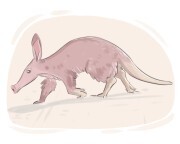
a nocturnal, burrowing mammal native to Africa, with a long snout and tongue, feeding mainly on ants and termites
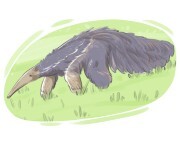
a tropical mammal with a long tail, snout and tongue that feeds on ants or other insects
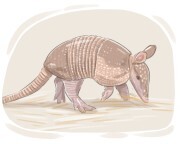
a small nocturnal mammal that is covered in small bony plates and is usually found in Southern America
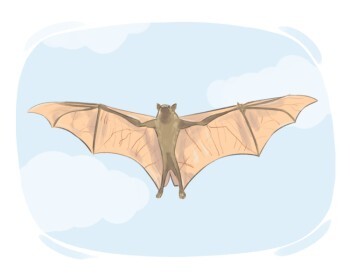
a small flying creature that comes out at night
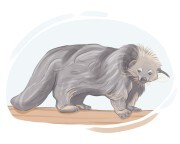
a unique arboreal mammal with a long, bushy tail, shaggy fur, and a distinctive popcorn-like scent, found in Southeast Asia
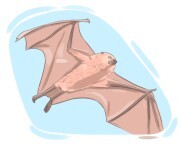
a large, nocturnal bat with a wingspan of up to six feet, found in various parts of the world, known for its ability to fly long distances and feed on fruit
a bat that feeds on fruits and lives in tropical countries
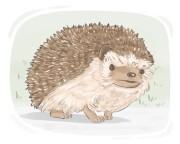
a small mammal that is active at night, which is covered with spines and can roll itself while attacked
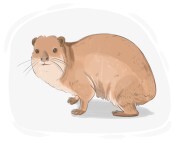
a small furry mammal with a short tail and hoof-like toes that mainly eats vegetables
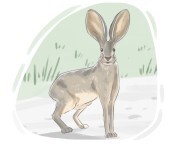
a wild mammal like a rabbit, called hare, native to open parts of the US
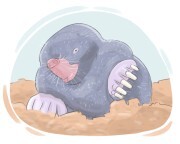
a small mammal with velvety fur, tiny eyes and a long muzzle that lives underground and eats insects
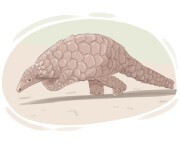
a nocturnal mammal covered in hard, overlapping scales, feeding primarily on ants and termites, and capable of curling into a protective ball
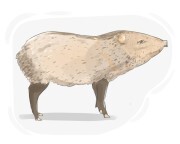
a mid-sized nocturnal mammal that resembles a pig and has hooves, usually found through North and South America
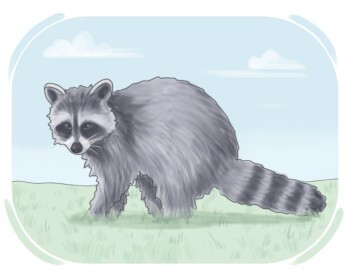
a small animal with a thick tail, gray-brown fur and black marks on its face
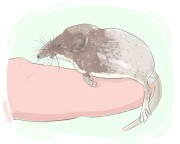
a small nocturnal mammal with long snout and tiny eyes, which feeds on insects
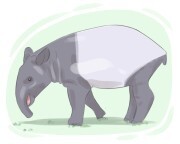
a large herbivorous mammal with a short trunk that lives in forests of South and Central America or Southeast Asia
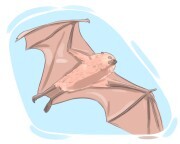
a small winged mammal that feeds on the blood of other animals and is found in tropical regions of South America
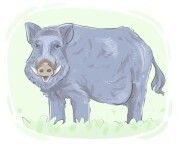
a wild pig with a pair of small tusks that is native to Eurasia and North Africa
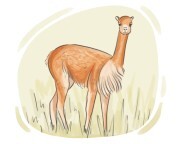
a small, elegant camelid species native to the high Andean regions of South America

a small insectivorous mammal species found in Madagascar and Africa, known for its diverse and unique physical adaptations
a small, fossorial mammal with a unique star-shaped nose that is covered in sensitive tentacles used for locating prey in underground environments
a small mammal with a slender body, long tail, and distinctive bushy coat, known for its insectivorous diet and arboreal lifestyle in Central and South America
a wild sheep species with a distinctive appearance, including a stocky body, short legs, curved horns, and a brown to reddish-brown coat
the largest wild sheep species, characterized by its massive body, long curved horns, and shaggy coat
a wild sheep found in central Asia known for its curved horns, stocky build, and ability to adapt to harsh environments
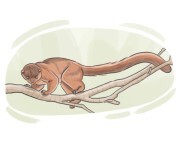
a small mammal found in Central and South America, known for its long, bushy tail and ability to live in trees
a large bat species found in Africa, Asia, and Australia, known for its size and echolocation abilities
a unique bat species known for its distinctive horseshoe-shaped noseleaf and echolocation abilities
a small insectivorous bat known for its agile flight, echolocation hunting abilities, and diverse diet
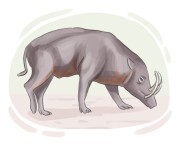
a unique species of wild pig found in Indonesia known for its long, curved tusks and distinctive appearance
a large hare species found in the Arctic regions of North America and Greenland
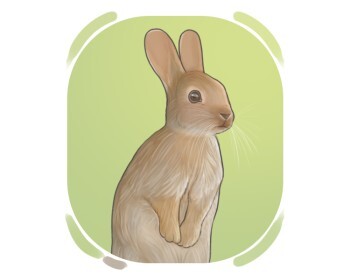
a small mammal known for its long ears, short tail, and burrowing behavior
a small mammal with a distinctive cotton-like tail, belonging to the family Leporidae, known for its agility, speed, and ability to reproduce rapidly
a small mammal with large hind feet, seasonal fur color changes, and a rapid reproductive rate, found in North America
a small, arboreal mammal native to Southeast Asia with a slender body, bushy tail, and agile lifestyle
a small insectivorous mammal with a long, flexible snout resembling that of an elephant
an animal that is small, eats plants, has a short tail, long ears, and soft fur
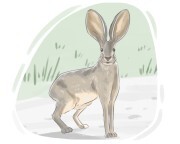
a rabbit-like animal with long legs and ears, which can run very fast
a nocturnal, herbivorous mammal species found in Africa, known for their powerful hind legs and unique adaptations to desert habitats
