Baguette

Baguette

Ciabatta

Ciabatta

Tortilla

Tortilla

Lavash

Lavash

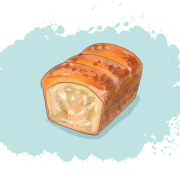
Babka

Babka

Yufka

Yufka

Pita

Pita

Bun

Bun

Bolani

Bolani

Bagel

Bagel

Rusk

Rusk

Chapati

Chapati

Sourdough

Sourdough

Damper

Damper

Breadstick

Breadstick

Zopf

Zopf

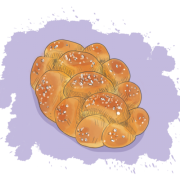
Challah

Challah

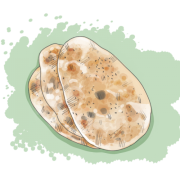
Naan

Naan

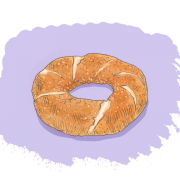
Simit

Simit

Brioche

Brioche

Bread

Bread

Baguette - Food and Drinks

40 chapters
levelbeginner

Learn English through easy and interesting readings about bread, discovering different types and traditions from around the world!

Vocabulary
1.
sandwich
[n]
/ˈsændwɪʧ/
2.
stick
[n]
/stɪk/
3.
inch
[n]
/ɪnʧ/
4.
round
[adj]
/raʊnd/
5.
thick
[adj]
/θɪk/
6.
creation
[n]
/kɹiˈeɪʃən/
7.
bake
[v]
/beɪk/
8.
ingredient
[n]
/ˌɪnˈɡɹidiənt/
9.
flour
[n]
/ˈfɫaʊɝ/, /ˈfɫaʊɹ/
10.
water
[n]
/ˈwɑːtɚ/
11.
yeast
[n]
/ˈjist/
12.
salt
[n]
/sɔːlt/
13.
dough
[n]
/ˈdoʊ/
14.
rise
[v]
/raɪz/
15.
bakery
[n]
/ˈbeɪkɝi/
16.
culture
[n]
/ˈkʌltʃɚ/
17.
meal
[n]
/miːl/
18.
important
[adj]
/ɪmˈpɔrtənt/
19.
favorite
[adj]
/ˈfeɪvɚɪt/
20.
vegetable
[n]
/ˈvɛdʒtəbl/
21.
tasty
[adj]
/ˈteɪsti/
22.
meal
[n]
/miːl/
23.
competition
[n]
/ˌkɑmpəˈtɪʃən/
24.
Grand Prix
[n]
/ɡɹˈænd pɹˈiː/
25.
year
[n]
/jɪr/
26.
winner
[n]
/ˈwɪnɚ/
27.
prize
[n]
/praɪz/
28.
choose
[v]
/tʃuːz/
29.
baguette
[n]
/ˌbæˈɡɛt/
30.
bread
[n]
/brɛd/
31.
popular
[adj]
/ˈpɑpjələr/
32.
France
[n]
/fræns/
33.
thin
[adj]
/θɪn/
34.
crisp
[adj]
/ˈkɹɪsp/
35.
crust
[n]
/ˈkɹəst/
36.
all over the (world|globe)
[phrase]
/ˈɔːl ˌoʊvɚ ðə wˈɜːld ɔːɹ ɡlˈoʊb/
37.
enjoy
[v]
/ɪnˈʤɔɪ/
38.
cheese
[n]
/tʃiːz/
39.
butter
[n]
/ˈbʌtɚ/
40.
jam
[n]
/dʒæm/

1.
sandwich
[n]
/ˈsændwɪʧ/
2.
stick
[n]
/stɪk/
3.
inch
[n]
/ɪnʧ/
4.
round
[adj]
/raʊnd/
5.
thick
[adj]
/θɪk/
6.
creation
[n]
/kɹiˈeɪʃən/
7.
bake
[v]
/beɪk/
8.
ingredient
[n]
/ˌɪnˈɡɹidiənt/
9.
flour
[n]
/ˈfɫaʊɝ/, /ˈfɫaʊɹ/
10.
water
[n]
/ˈwɑːtɚ/
11.
yeast
[n]
/ˈjist/
12.
salt
[n]
/sɔːlt/
13.
dough
[n]
/ˈdoʊ/
14.
rise
[v]
/raɪz/
15.
bakery
[n]
/ˈbeɪkɝi/
16.
culture
[n]
/ˈkʌltʃɚ/
17.
meal
[n]
/miːl/
18.
important
[adj]
/ɪmˈpɔrtənt/
19.
favorite
[adj]
/ˈfeɪvɚɪt/
20.
vegetable
[n]
/ˈvɛdʒtəbl/
21.
tasty
[adj]
/ˈteɪsti/
22.
meal
[n]
/miːl/
23.
competition
[n]
/ˌkɑmpəˈtɪʃən/
24.
Grand Prix
[n]
/ɡɹˈænd pɹˈiː/
25.
year
[n]
/jɪr/
26.
winner
[n]
/ˈwɪnɚ/
27.
prize
[n]
/praɪz/
28.
choose
[v]
/tʃuːz/
29.
baguette
[n]
/ˌbæˈɡɛt/
30.
bread
[n]
/brɛd/
31.
popular
[adj]
/ˈpɑpjələr/
32.
France
[n]
/fræns/
33.
thin
[adj]
/θɪn/
34.
crisp
[adj]
/ˈkɹɪsp/
35.
crust
[n]
/ˈkɹəst/
36.
all over the (world|globe)
[phrase]
/ˈɔːl ˌoʊvɚ ðə wˈɜːld ɔːɹ ɡlˈoʊb/
37.
enjoy
[v]
/ɪnˈʤɔɪ/
38.
cheese
[n]
/tʃiːz/
39.
butter
[n]
/ˈbʌtɚ/
40.
jam
[n]
/dʒæm/
1.
sandwich
[n]
/ˈsændwɪʧ/
sendvič
2.
stick
[n]
/stɪk/
hůl
3.
inch
[n]
/ɪnʧ/
palec
4.
round
[adj]
/raʊnd/
kulatý
5.
thick
[adj]
/θɪk/
tlustý
6.
creation
[n]
/kɹiˈeɪʃən/
stvoření
7.
bake
[v]
/beɪk/
péct
8.
ingredient
[n]
/ˌɪnˈɡɹidiənt/
přísada
9.
flour
[n]
/ˈfɫaʊɝ/, /ˈfɫaʊɹ/
mouka
10.
water
[n]
/ˈwɑːtɚ/
voda
11.
yeast
[n]
/ˈjist/
kvasnice
12.
salt
[n]
/sɔːlt/
sůl
13.
dough
[n]
/ˈdoʊ/
těsto
14.
rise
[v]
/raɪz/
kynout
15.
bakery
[n]
/ˈbeɪkɝi/
pekárna
16.
culture
[n]
/ˈkʌltʃɚ/
kultura
17.
meal
[n]
/miːl/
the food that we eat regularly during different times of day, such as breakfast, lunch, or dinner
18.
important
[adj]
/ɪmˈpɔrtənt/
důležitý
19.
favorite
[adj]
/ˈfeɪvɚɪt/
oblíbený
20.
vegetable
[n]
/ˈvɛdʒtəbl/
zelenina
21.
tasty
[adj]
/ˈteɪsti/
chutný
22.
meal
[n]
/miːl/
jídlo
23.
competition
[n]
/ˌkɑmpəˈtɪʃən/
soutěž
24.
Grand Prix
[n]
/ɡɹˈænd pɹˈiː/
Grand Prix
25.
year
[n]
/jɪr/
rok
26.
winner
[n]
/ˈwɪnɚ/
vítěz
27.
prize
[n]
/praɪz/
cena
28.
choose
[v]
/tʃuːz/
vybrat
29.
baguette
[n]
/ˌbæˈɡɛt/
bageta
30.
bread
[n]
/brɛd/
chléb
31.
popular
[adj]
/ˈpɑpjələr/
populární
32.
France
[n]
/fræns/
Francie
33.
thin
[adj]
/θɪn/
tenký
34.
crisp
[adj]
/ˈkɹɪsp/
křupavý
35.
crust
[n]
/ˈkɹəst/
kůrka
36.
all over the (world|globe)
[phrase]
/ˈɔːl ˌoʊvɚ ðə wˈɜːld ɔːɹ ɡlˈoʊb/
in every part of the world
37.
enjoy
[v]
/ɪnˈʤɔɪ/
užívat si
38.
cheese
[n]
/tʃiːz/
sýr
39.
butter
[n]
/ˈbʌtɚ/
máslo
40.
jam
[n]
/dʒæm/
džem

1

kapitola

star
Baguette 
Read a short passage about how a long, crispy loaf became a classic French bread. 
1.1
A baguette is a type of bread that is very popular in France.  It is long and thin with a crisp crust.  People all over the world enjoy eating baguettes.  They are often eaten with cheese, butter, or jams.  Sometimes, they are used to make sandwiches. 

Bagetka je druh chleba, který je ve Francii velmi populární. Je dlouhý a tenký s křupavou kůrkou. Lidé po celém světě si rádi pochutnávají na bagetkách. Často se jedí se sýrem, máslem nebo džemy. Někdy se používají k výrobě sendvičů.

1.2
The word "baguette" means "stick" in French.  This name comes from the bread's long, stick-like shape.  Baguettes are usually about 26 inches long but can be shorter or longer. 

Slovo "bageta" znamená francouzsky "hůl". Tento název pochází z dlouhého, hůlkovitého tvaru chleba. Bagety jsou obvykle asi 26 palců dlouhé, ale mohou být kratší nebo delší.

1.3
Baguettes were first made in the 1920s in France.  Before this, French breads were round and thick.  The creation of the baguette changed how people enjoyed bread.  Its shape and size made it easy to bake and eat. 

Baguety byly poprvé vyrobeny ve 20. letech 20. století ve Francii. Předtím byly francouzské chleby kulaté a tlusté. Vytvoření bagety změnilo způsob, jakým lidé vychutnávali chléb. Jeho tvar a velikost usnadnily pečení a konzumaci.

ThumbnailPhoto
1.4
Making a baguette involves simple ingredients: flour, water, yeast, and salt.  The dough is kneaded and then shaped into long pieces.  These pieces are left to rise.  This is when the dough becomes bigger and softer.  After rising, the dough is baked until the outside is golden and crispy. 

Výroba bagety zahrnuje jednoduché přísady: mouku, vodu, droždí a sůl. Těsto se hněte a poté tvaruje do dlouhých kusů. Tyto kusy se nechají kynout. To je doba, kdy těsto zvětší svůj objem a změkne. Po vykynutí se těsto peče, dokud není vnější strana zlatavá a křupavá.

1.5
People in France buy baguettes fresh from bakeries almost every day.  In French culture, having fresh bread like this at meals is very important.  Baguettes are part of daily life in France. 

Lidé ve Francii kupují čerstvé bagety v pekárnách téměř každý den. Ve francouzské kultuře je velmi důležité mít při jídle čerstvý chléb jako je tento. Bagety jsou součástí každodenního života ve Francii.

1.6
A fun way to enjoy a baguette is to fill it with your favorite ingredients.  You can put in meats, cheeses, or vegetables.  This makes a tasty meal that is easy to carry and eat. 

Zábavný způsob, jak si užít bagetu, je naplnit ji svými oblíbenými přísadami. Můžete dát maso, sýry nebo zeleninu. To dělá chutné jídlo, které je snadné nosit a jíst.

1.7
Fun fact: There is a special competition in France called the "Grand Prix de la Baguette."  Every year, bakers from all over Paris make their best baguettes.  A group of judges tastes them and chooses the best one.  The winner gets a prize and becomes very famous.  This shows how important baguettes are to French people. 

**Zajímavost**: Ve Francii existuje speciální soutěž nazvaná "Grand Prix de la Baguette". Každý rok pekaři z celé Paříže pečou své nejlepší bagety. Skupina porotců je ochutná a vybere tu nejlepší. Vítěz získá cenu a stane se velmi slavným. To ukazuje, jak důležité jsou bagety pro Francouze.

1. Baguette

1. Baguette

Bread


100%
1.

Which one is TRUE?

A

Baguettes are usually short and round.

B

Baguettes are often used for sandwiches.

C

Baguettes are made with milk and eggs.

D

Baguettes are only eaten on holidays.

2.

What does the word "baguette" mean in French?

A

Bread

B

Stick

C

Roll

D

Crumb

3.

Fill in the blanks with the correct words (Three options are extra).

A baguette is a type of

.

The dough is shaped into

pieces.

Baguettes are often eaten with

.

The outside of a baguette is

.

bread
long
butter
crispy
mustard
cake
flat
4.

Sort the steps of making a Baguette in the correct order:

use flour, water, yeast, and salt
bake until golden
knead and shape the dough
let the dough rise
5.

Which one is FALSE?

A

Baguettes were first made in the 1920s.

B

Baguettes are popular in France.

C

The dough does not need to rise before baking.

D

Baguettes are baked until golden and crispy.

6.

Why is the Grand Prix de la Baguette important?

A

It celebrates how important baguettes are in French life

B

It helps bakers sell baguettes worldwide

C

It gives free bread to all of France

D

It is a race for the fastest bakery

patternpatternpatternpatternpatternpattern