pattern

Sociální otázky a identita - Protest a nezaměstnanost

Revize

Kartičky

tvary

Pravopis

Kvíz

Začněte se učit
Words Related to Social Issues and Identity
rioter
rioter
[Podstatné jméno]

a person who takes part in violent public disturbances or protests

výtržník, narušitel

výtržník, narušitel

Ex: The investigation identified rioters who had planned the violent attack on public property. 

Vyšetřování identifikovalo výtržníky, kteří naplánovali násilný útok na veřejný majetek.

rioting
rioting
[Podstatné jméno]

violent or chaotic behavior by a group of people

vzpoura, nepokoje

vzpoura, nepokoje

Ex: Authorities warned that rioting could escalate if protests continued. 

Úřady varovaly, že nepokoje by se mohly vyhrotit, pokud by protesty pokračovaly.

to strike
to strike
[sloveso]

to stop working as a sign of protest against some work issues, such as low wages, poor working conditions, etc.

stávkovat, vstoupit do stávky

stávkovat, vstoupit do stávky

Ex: Teachers voted to strike after negotiations failed. 
benefit
benefit
[Podstatné jméno]

a financial aid provided by the government for people who are sick, unemployed, etc.

dávka, příspěvek

dávka, příspěvek

Ex: He was able to receive benefits while he searched for a new job after being laid off. 
between jobs
between jobs
[fráze]

the period of time when someone is temporarily unemployed or moving from one job to another

Ex: After leaving his old job, he spent a few months between jobs before finding a new position. 
cutback
cutback
[Podstatné jméno]

the act of reducing the amount of something

škrtání, snížení

škrtání, snížení

Ex: Environmental cutbacks weakened pollution controls. 

Environmentální škrty oslabily kontroly znečištění.

to dismiss
to dismiss
[sloveso]

to remove someone from their job or position, typically due to poor performance

propustit, odvolat

propustit, odvolat

Ex: The company decided to dismiss several employees due to budget constraints. 
to fire
to fire
[sloveso]

to make someone leave their job, position, etc., usually as punishment

propustit, vyhodit z práce

propustit, vyhodit z práce

Ex: If she doesn't improve her performance, they might fire her. 
job
job
[Podstatné jméno]

the work that we do regularly to earn money

práce, zaměstnání

práce, zaměstnání

Ex: He enjoys his job because it allows him to be creative. 
job center
job center
[Podstatné jméno]

a government office that helps people find jobs and provides support for jobseekers

úřad práce, pracovní centrum

úřad práce, pracovní centrum

Ex: He signed up for a workshop at the job center to learn interview skills. 

Přihlásil se na workshop v úřadu práce, aby se naučil dovednosti pro pohovory.

jobless
jobless
[Přídavné jméno]

not having work or employment

nezaměstnaný, bez práce

nezaměstnaný, bez práce

Ex: The economic crisis left thousands jobless. 

Ekonomická krize zanechala tisíce lidí bez práce.

job seeker
job seeker
[Podstatné jméno]

an unemployed person who is searching for a job

uchazeč o zaměstnání, nezaměstnaný hledající práci

uchazeč o zaměstnání, nezaměstnaný hledající práci

Ex: The government launched a new program to support job seekers with training and placement services. 
out of work
out of work
[fráze]

having no job

Ex: Being out of work gave him the opportunity to pursue his passion for painting. 
redundancy
redundancy
[Podstatné jméno]

the state of being unnecessary because something is no longer needed or is duplicated elsewhere

redundance,  nadbytečnost

redundance, nadbytečnost

Ex: The redesign removed features whose redundancy had become increasingly obvious. 
redundant
redundant
[Přídavné jméno]

no longer employed because there is no more work available or the position is no longer necessary

propouštěný, nadbytečný

propouštěný, nadbytečný

Ex: With the new technology in place, several employees became redundant. 

S novou technologií na místě se několik zaměstnanců stalo nadbytečnými.

to sack
to sack
[sloveso]

to dismiss someone from their job

propustit, vyhodit z práce

propustit, vyhodit z práce

Ex: Daniel was sacked for repeatedly ignoring safety rules. 
the unemployed
the unemployed
[Podstatné jméno]

people who do not have paid jobs, considered as a group

nezaměstnaní

nezaměstnaní

Ex: Transportation costs can make job hunting difficult for the unemployed. 
unemployment
unemployment
[Podstatné jméno]

the number or proportion of people in an area who do not have jobs

nezaměstnanost, míra nezaměstnanosti

nezaměstnanost, míra nezaměstnanosti

Ex: Unemployment in the city reached 10% last year. 
anti-vaccine
anti-vaccine
[Přídavné jméno]

opposed to vaccination or the use of vaccines

protiočkovací, anti-vakcinační

protiočkovací, anti-vakcinační

Ex: Anti-vaccine protests occurred in several cities last year. 

Proti-očkovací protesty se konaly v několika městech minulý rok.
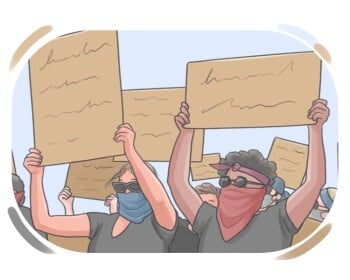
to demonstrate

to participate in a public gathering to express support for or opposition to a cause, idea, or policy

demonstrovat, protestovat

demonstrovat, protestovat

Ex: Thousands of citizens demonstrated in the streets to demand action on climate change. 
demonstration
demonstration
[Podstatné jméno]

a display of support for or protest against something or someone by a march or public meeting

demonstrace

demonstrace

Ex: The demonstration against the new government policy drew thousands of participants to the city center. 
demonstrator
demonstrator
[Podstatné jméno]

someone who takes part in a public gathering to protest or to show support

demonstrant, účastník protestu

demonstrant, účastník protestu

Ex: The demonstrators are marching through the streets to show support for climate change legislation. 

Demonstranti pochodují ulicemi, aby vyjádřili podporu legislativě o změně klimatu.

to march
to march
[sloveso]

to walk with a large group of people as a sign of protest

pochodovat,  demonstrovat
pochodovat, demonstrovat

Ex: The protesters chanted slogans as they marched, their voices echoing through the streets. 
militant
militant
[Přídavné jméno]

displaying violent acts for the sake of a social or political aim

militantní, bojovný

militantní, bojovný

Ex: She was known for her militant stance on animal rights, often participating in protests and direct actions. 

Byla známá svým militantním postojem k právům zvířat, často se účastnila protestů a přímých akcí.

to protest
to protest
[sloveso]

to show disagreement by taking action or expressing it verbally, particularly in public

protestovat, demonstrovat

protestovat, demonstrovat

Ex: The scientist protested the misinterpretation of her research findings. 
protester
protester
[Podstatné jméno]

someone who publicly shows their disagreement or opposition toward something

protestující, demonstrant

protestující, demonstrant

Ex: The protester faced challenges while trying to get their message across. 

Demonstrant čelil výzvám při pokusu o sdělení své zprávy.

riot
riot
[Podstatné jméno]

a violent and disorderly public disturbance involving a group of people

vzpoura,  nepokoje

vzpoura, nepokoje

Ex: The government imposed a curfew after three nights of riots. 
LanGeek
Stáhnout aplikaci LanGeek
