
Klíčová slovní zásoba pro zranění a první pomoc - Teploměr
Revize
Kartičky
tvary
Pravopis
Kvíz

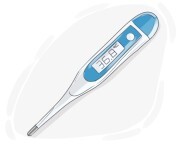
a device used to measure a person's body temperature to assess for fever or abnormal temperature

teploměr
Šéfkuchař použil teploměr na cukroví ke sledování teploty karamelové omáčky během vaření.
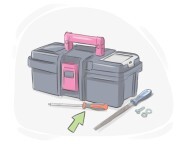
something such as a hammer, saw, etc. that is held in the hand and used for a specific job
nástroj
Klíč je užitečný nástroj pro utahování nebo povolování šroubů a matic.

to indicate a specific time, measurement, etc.
ukazovat, naznačovat
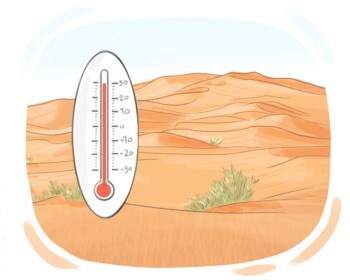
having a higher than normal temperature
horký, teplý
Polévka byla příliš horká, aby se dala hned jíst.
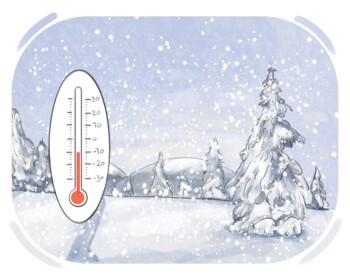
having a temperature lower than the human body's average temperature
studený, ledový
Kostky ledu udělaly nápoj osvěžujícím způsobem studený.

to have or store something in a specific place
uchovávat, udržovat
Uchovává sbírku vzácných mincí v zabezpečeném trezoru.
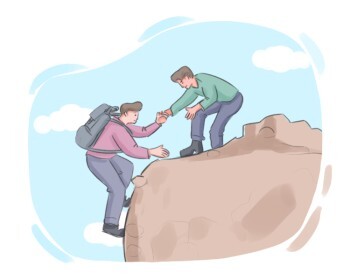
offering assistance or support, making tasks easier or problems more manageable for others
užitečný, ochotný pomoci
Předložil užitečný návrh, jak vylepšit design.
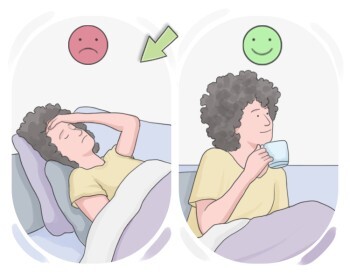
not in a good and healthy physical or mental state
nemocný, nevolno
Byla tak nemocná, že zmeškala výlet.
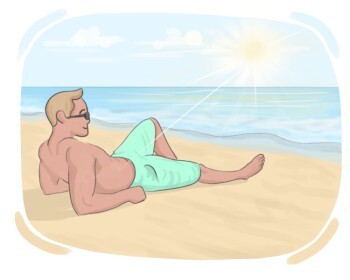
having a temperature that is high but not hot, especially in a way that is pleasant
teplý, vlažný
Užili si teplý letní večer u táboráku.
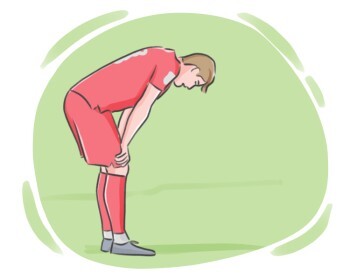
needing to sleep or rest because of not having any more energy
unavený, vyčerpaný
Batole bylo příliš unavené, aby dojedlo večeři.
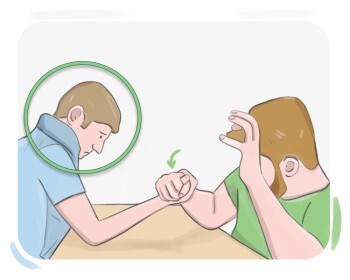
not strong or vigorous in body or movement
slabý, křehký
Mluvila slabým hlasem, který byl sotva slyšitelný.
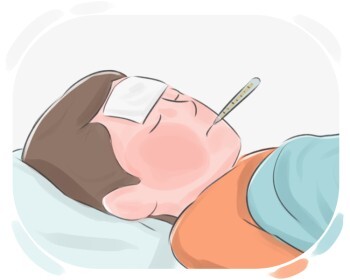
a condition when the body temperature rises, usually when we are sick
horečka, teplota
Po vystavení viru se u ní rozvinula horečka.
to discover information about something or someone by looking, asking, or investigating
zkontrolovat, ověřit
Dovolte mi zkontrolovat svůj kalendář, abych zjistil, zda jsem ten den k dispozici.
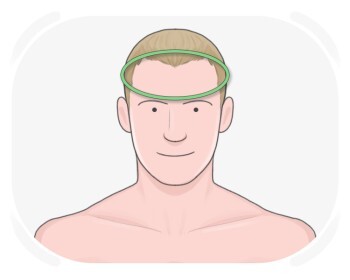
the part of the face above the eyebrows and below the hair
čelo
Cítila polibek na svém čele, gesto náklonnosti od svého partnera předtím, než odešel do práce.
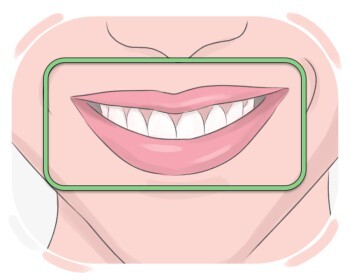
our body part that we use for eating, speaking, and breathing
ústa
Otevřela ústa dokořán, aby se zakousla do šťavnatého jablka.
to provide information or facts about something in non-verbal ways
ukázat, odhalit
Jeho výraz obličeje mi řekl, že je rozrušený.
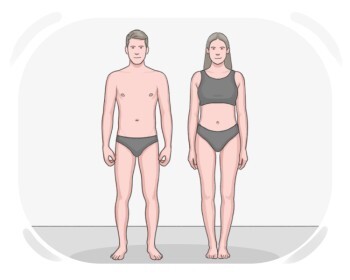
our or an animal's hands, legs, head, and every other part together
tělo, organismus
Ona si užívá jógu, protože jí pomáhá spojit se s jejím tělem a najít vnitřní rovnováhu.
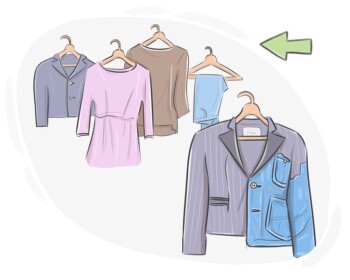
conforming to a standard or expected condition
normální, obvyklý
Navzdory nedávným událostem se život pro obyvatele města postupně vrací do normálu.
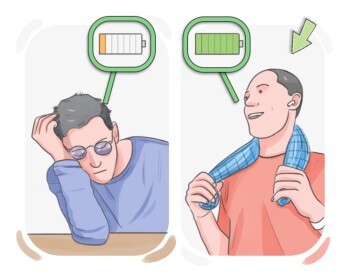
having a value or level greater than usual or expected, often in terms of numbers or measurements
vysoký, zvýšený
Měla vysokou horečku a potřebovala navštívit lékaře.
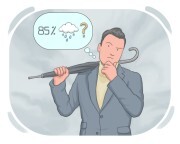
used to show likelihood or possibility without absolute certainty
pravděpodobně, asi
On se pravděpodobně připojí k nám na večeři dnes večer.
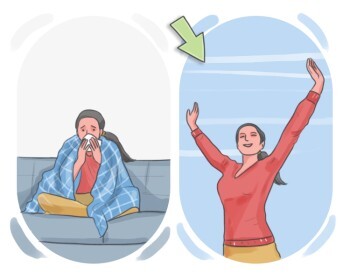
feeling well or in good health
dobře,v dobrém zdraví, feeling OK or good
Navzdory malé nehodě byli jak kolo, tak jeho jezdec v pořádku.
to cause someone or something to display or possess a specific quality, emotion, or state
udělat, způsobit
Náročný úkol může jednotlivce učinit úzkostnými.

to be acquainted or familiar with a person, thing, place, etc.
znát, vědět
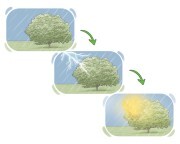
to come into existence by chance or as a consequence
stát se, přihodit se
Někdy se nejlepší nápady stanou, když to nejméně očekáváte.
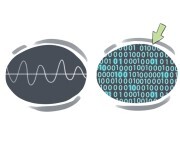
(of signals or data) representing and processing data as series of the digits 0 and 1 in electronic signals
digitální
Knihovna nabízí sbírku digitálních knih, které lze vypůjčit online.
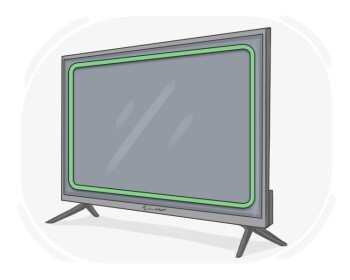
the flat panel on a television, computer, etc. on which images and information are displayed
obrazovka, monitor
Displej mého telefonu je prasklý, takže ho musím nechat opravit.
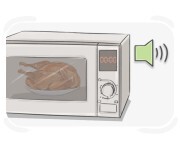
(particularly of a horn or electronic device) to make a short, often high-pitched sound as a signal or alert
troubit, pípat
Nemocniční zařízení pravidelně pípalo, což ukazovalo na pacientovy vitální funkce.
completed or no longer in progress
hotový, dokončený
Pět kapitol hotovo, zbývá přečíst jen tři v knize.

the thin layer of tissue that covers the body of a person or an animal
kůže, pokožka
Lázně nabízely ošetření pro omlazení a hýčkání pokožky.
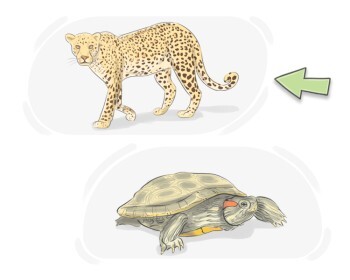
taking a short time to move, happen, or be done
rychlý, svižný
Rychlá liška přeběhla přes pole a zmizela v lese.
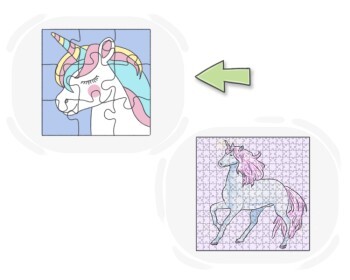
not involving difficulty in doing or understanding
jednoduchý, snadný
Recept byl jednoduchý, vyžadoval jen pár ingrediencí a základní kuchařské techniky.
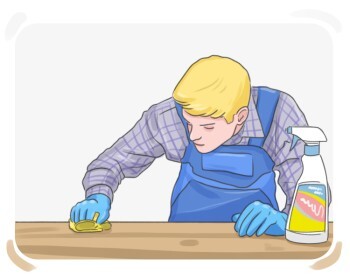
to make something have no bacteria, marks, or dirt
čistit, mýt
Vždy čistíme koupelnu, abychom ji udrželi hygienickou.
to clean or dry a surface using a cloth, etc.
utírat, čistit
Šéfkuchař utřel prkénko po krájení zeleniny.
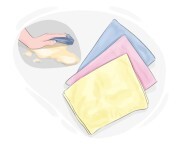
a piece of fabric used in the kitchen for cleaning, drying dishes, or wiping surfaces
hadr, kuchyňská utěrka
Vlhký hadr je ideální pro utírání kuchyňského stolu.
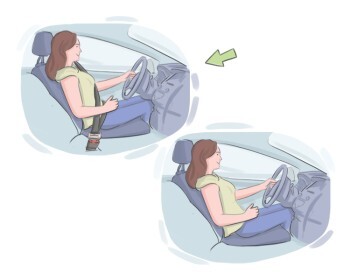
protected from any danger
bezpečný, chráněný
Poté, co bouře přešla, cítili se v bezpečí, aby se vrátili do svých domovů a posoudili škody.
the state or fact of being used; the action of using something
použití, využití
Časté používání chytrých telefonů změnilo sociální interakce.
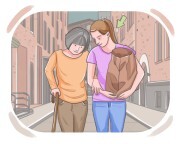
providing help when needed
užitečný, praktický
Mít na pracovišti mentora může být užitečné pro vedení kariérních rozhodnutí a poskytování cenných poznatků.
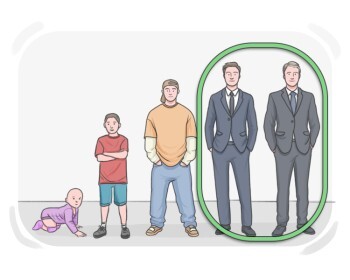
a fully grown man or woman
dospělý, dospělá osoba
Průzkum měl za cíl shromáždit zpětnou vazbu od dospělých i dětí.
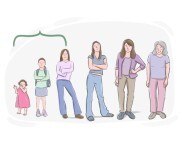
a young person who has not reached puberty or adulthood yet
dítě, dítě
Jako rodiče bychom měli vždy upřednostňovat blaho a bezpečnost našich dětí.
the general condition of a person's mind or body
zdraví, pohoda
Pravidelný pohyb a vyvážená strava jsou nezbytné pro udržení dobrého zdraví.
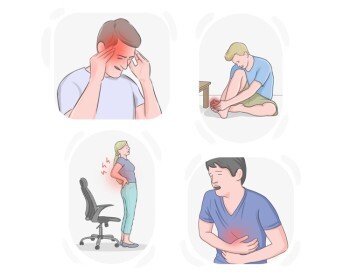
to feel pain in a part of the body
bolet, zraňovat
Když letadlo klesalo, bolely mě uši.
| Klíčová slovní zásoba pro zranění a první pomoc | |||
|---|---|---|---|
| Modřina | Hořet | Krvácení z nosu | Řezat |
| Teploměr | Ledový obklad | ||
