
Základní vědy - Vlastnosti hmoty a vlnění
Studujte termíny související s vlastnostmi materiálů, změnami skupenství, chováním světla, charakteristikami vln, elektromagnetickým zářením a typy vln.
Revize
Kartičky
Pravopis
Kvíz
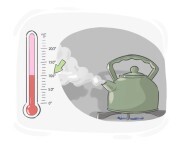
the temperature at which a liquid starts boiling

bod varu, teplota varu
Porozumění bodům varu různých kapalin je důležité v průmyslových procesech, jako je destilace.

the temperature at which liquid becomes solid
bod mrazu, teplota tuhnutí
Ve vysokých nadmořských výškách může být bod mrazu nižší než na úrovni moře.

(physics) matter consisting of elementary particles that are the antiparticles of those of regular matter
antihmota, hmota antihmota
Pohon na antihmotu je teoretický koncept, který by v budoucnu mohl umožnit kosmickým lodím cestovat rychlostí blízkou rychlosti světla.
(physics) the ability of a material to transmit heat, electricity, or sound
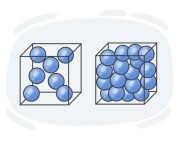
(physics) the mass of a substance or object per unit of volume
hustota
(physics) the measure of how much a material expands or contracts when its temperature changes by one degree
the ability to go back to the original form after being stretched
elasticita
Inženýři testují pružnost materiálů, aby zajistili jejich trvanlivost.
the measure of a fluid's resistance to flow, indicating its thickness or stickiness
viskozita, tloušťka
Motorový olej je speciálně navržen s určitou viskozitou, aby optimálně fungoval v motorech.
having the ability to return to its original shape or position after being stretched or compressed
pružný, odolný
Pružné gumové pneumatiky kola absorbovaly nárazy z nerovného terénu a vrátily se do původního tvaru.
capable of being stretched or drawn out without breaking
tažný, pružný
Hedvábná nit je vysoce tažná, což jí umožňuje se natahovat, aniž by se přetrhla.
to reduce the size or volume of something by applying pressure or force
stáhnout, zmenšit
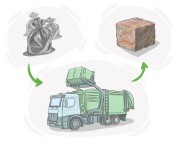
to reduce the volume or size of something by applying pressure, squeezing, or condensing it
komprimovat, stlačit
Atlet nosil kompresní ponožky, aby pomohl stlačit svaly a zlepšit krevní oběh.
to change from a gaseous state to a liquid state
kondenzovat
Vědec pozoroval laboratorní experiment, kde byla pára ponechána kondenzovat na chlazeném povrchu.
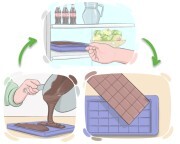
to transform from a liquid or flexible state into a stable, firm, or compact form
ztuhnout, ztvrdnout
Čokoláda začíná tuhnout, když chladne.
to take in a form of energy, such as heat or light
absorbovat, pohlcovat
Teplo z ohně bylo absorbováno kameny kolem něj.
a fundamental particle of light that carries electromagnetic energy and exhibits both particle-like and wave-like properties
foton, kvantum světla
Optická komunikace se spoléhá na přenos dat prostřednictvím světelných impulsů, přičemž každý impuls představuje proud fotonů.
the bending of the wave's path as it passes from one medium to another; caused by a change in its speed or direction
refrakce, ohyb vln
Fyzik změřil úhel lomu, aby studoval vlastnosti materiálu.
the bending, spreading, and interference of waves as they encounter obstacles or pass through narrow openings, often observed in the behavior of light, sound, or other waves
difrakce, difrakce vln
Difrakční efekty jsou běžně pozorovány ve fotografii a ovlivňují ostrost snímků pořízených přes objektivy.
(physics) the bouncing back of a wave, such as light or sound, when it hits a surface
(physics) an oscillating movement by which energy is transferred without the transport of matter, such as light and sound
vlna, kmitání

the distance between a point on a wave of energy and a similar point on the next wave
vlnová délka, délka vlny
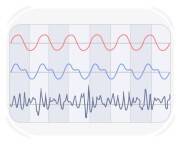
the specific number of waves that pass a point every second
frekvence
the range of electromagnetic radiation arranged according to wavelength or frequency
spektrum, elektromagnetické spektrum
(physics) the maximum distance a vibrating material, sound wave, etc. such as a pendulum travels from its first position
amplituda, rozsah
V kvantové mechanice amplituda vlnové funkce popisuje pravděpodobnost nalezení částice v určité poloze nebo stavu.
(physics) the back-and-forth motion of an object between two end points
kmitání
Kyvadla se osvědčila jako užitečná pro studium jednoduchého harmonického kmitání a modelování složitějších periodických pohybů v dynamických systémech.
relating to electromagnetic radiation with wavelengths longer than visible light but shorter than radio waves, often used in night vision, heat detection, and remote control technology
infračervený, infračervené
Astronomové používají infračervené dalekohledy ke studiu nebeských objektů zakrytých prachovými mračny.
relating to electromagnetic radiation with shorter wavelengths than those of visible light but longer than X-rays
ultrafialový
Ultrafialová fotografie odhaluje vzory neviditelné pouhým okem.
a device that produces a narrow, intense beam of coherent electromagnetic radiation, usually light
laser, laser
(physics) a wave in which the vibrations occur at right angles to the direction the wave travels
(physics) a wave in which the vibrations move back and forth along the same direction the wave travels
unwanted signals or electrical activity that disrupt or distort the transmission or reception of information
interference, rušení
