
pattern

Klíčová Slovní Zásoba Spisovatelů - Lev Tolstoj

Revize

Kartičky

tvary

Pravopis

Kvíz

Začněte se učit
Key Writers Vocabulary
famous
famous
[Přídavné jméno]

known by a lot of people

slavný, známý

slavný, známý

Ex: She became famous overnight after her viral video gained millions of views .

Stala se slavnou přes noc poté, co její virální video získalo miliony zhlédnutí.

writer
writer
[Podstatné jméno]

someone whose job involves writing articles, books, stories, etc.

spisovatel, autor

spisovatel, autor

Ex: The writer signed books for her fans at the event .

Spisovatel podepisoval knihy pro své fanoušky na akci.

Russia
Russia
[Podstatné jméno]

a country located in Eastern Europe and Northern Asia

Rusko, Ruská federace

Rusko, Ruská federace

Ex: Russia's vast landscapes include everything from tundra and taiga to mountains and rivers , offering breathtaking natural beauty .

Rozsáhlé krajiny Ruska zahrnují vše od tundry a tajgy po hory a řeky, nabízející dechberoucí přírodní krásu.

important
important
[Přídavné jméno]

having a lot of value

důležitý, rozhodující

důležitý, rozhodující

Ex: The important issue at hand is ensuring the safety of the workers .

Důležitou otázkou je zajištění bezpečnosti pracovníků.

parent
parent
[Podstatné jméno]

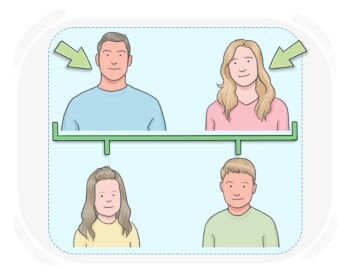
our mother or our father

rodič, matka nebo otec

rodič, matka nebo otec

Ex: The parents took turns reading bedtime stories to their children every night .

Rodiče se každou noc střídali v čtení pohádky před spaním svým dětem.

relative
relative
[Podstatné jméno]

a family member who is related to us by blood or marriage

příbuzný, rodina

příbuzný, rodina

Ex: Despite living far away , we keep in touch with our relatives through video calls .

I když žijeme daleko, udržujeme kontakt s našimi příbuznými prostřednictvím videohovorů.

to [take] care of {sb/sth}

to look after or manage someone or something, ensuring their needs are met

Ex: He promised to take care of the plants while his friend was on vacation.
to write
to write
[sloveso]

to produce or compose a piece of literary work or a text to be published or reproduced

psát

psát

Ex: She 's proud to have written a touching poem for her best friend .

Je hrdá na to, že napsala dojemnou báseň pro svou nejlepší přítelkyni.

university
university
[Podstatné jméno]

an educational institution at the highest level, where we can study for a degree or do research

univerzita

univerzita

Ex: We have access to a state-of-the-art library at the university.

Máme přístup ke špičkové knihovně na univerzitě.

education
education
[Podstatné jméno]

the process that involves teaching and learning, particularly at a school, university, or college

vzdělání,  výuka

vzdělání, výuka

Ex: She dedicated her career to advocating for inclusive education for students with disabilities .

Svoji kariéru zasvětila prosazování inkluzivního vzdělávání pro studenty se zdravotním postižením.

work
work
[Podstatné jméno]

a painting, piece of music or book that is produced by a painter, musician, or writer

dílo, práce
dílo, práce

Ex: The museum is known for housing works by prominent modern artists.

Muzeum je známé tím, že uchovává díla významných moderních umělců.

Russian
Russian
[Přídavné jméno]

relating to Russia or its people or language

ruský

ruský

Ex: They celebrated Russian culture with a festival showcasing music , dance , and cuisine .

Oslavili ruskou kulturu festivalem představujícím hudbu, tanec a kuchyni.

society
society
[Podstatné jméno]

people in general, considered as an extensive and organized group sharing the same laws

společnost
společnost

Ex: Social media has become an integral part of contemporary society, influencing public opinion and communication patterns .

Sociální média se stala nedílnou součástí současné společnosti, ovlivňující veřejné mínění a komunikační vzorce.

during
during
[předložka]

used to express that something happens continuously from the beginning to the end of a period of time

během, v průběhu

během, v průběhu

Ex: The students remained quiet during the teacher 's lecture .

Studenti zůstali potichu během učitelské přednášky.

times
times
[Podstatné jméno]

a distinct period of history or culture, or a specific moment or duration of time

doba, časy

doba, časy

Ex: People lived differently in ancient times.

Lidé žili v dávných dobách jinak.

war
war
[Podstatné jméno]

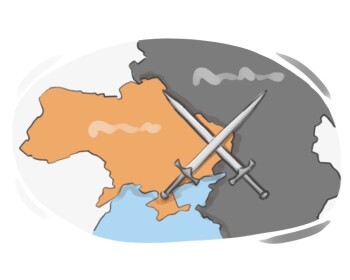
a state of armed fighting between two or more groups, nations, or states

válka

válka

Ex: The nation remained at war until a peace agreement was signed .

Národ zůstal ve válce až do podepsání mírové dohody.

to live
to live
[sloveso]

to conduct one's life in a particular way or under certain conditions

žít, existovat
žít, existovat

Ex: For years, he had to live in fear due to the unstable political situation in his country.

Roky musel žít ve strachu kvůli nestabilní politické situaci ve své zemi.

to think
to think
[sloveso]

to have a type of belief or idea about a person or thing

myslet, věřit
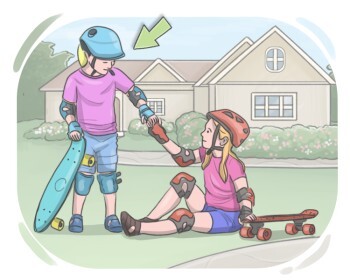
myslet, věřit

Ex: What do you think of the new employee?

Co si myslíte o novém zaměstnanci?

kind
kind
[Přídavné jméno]

nice and caring toward other people's feelings

laskavý, milý

laskavý, milý

Ex: The teacher was kind enough to give us an extension on the project .

Učitel byl dost laskavý, aby nám prodloužil termín projektu.

should
should
[sloveso]

used to indicate a degree of expectation regarding something that is likely to happen

měl by, měl bys

měl by, měl bys

Ex: We should see improvements in sales after implementing the new marketing strategy .

Po zavedení nové marketingové strategie bychom měli vidět zlepšení v prodejích.

idea
idea
[Podstatné jméno]

one's opinion or belief about something

nápad, názor

nápad, názor

Christian
Christian
[Přídavné jméno]

relating to or characteristic of the religion of Christianity

křesťanský, křesťanská

křesťanský, křesťanská

Ex: The museum exhibits Christian art from the Middle Ages .

Muzeum vystavuje křesťanské umění ze středověku.

to visit
to visit
[sloveso]

to go somewhere because we want to spend time with someone

navštívit, zavítat
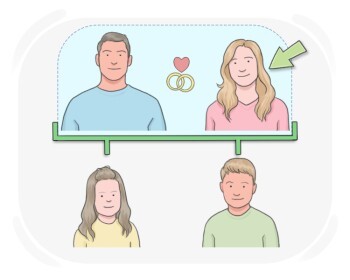
navštívit, zavítat

Ex: We should visit our old neighbors .

Měli bychom navštívit naše staré sousedy.

wife
wife
[Podstatné jméno]

the lady you are officially married to

manželka, choť

manželka, choť

Ex: Tom and his wife have been happily married for over 20 years , and they still have a strong bond .

Tom a jeho manželka jsou šťastně ženatí více než 20 let a stále mají silné pouto.

to disagree
to disagree
[sloveso]

to hold or give a different opinion about something

nesouhlasit, mít jiný názor

nesouhlasit, mít jiný názor

Ex: He disagreed with the decision but chose to remain silent.

Nesouhlasil s rozhodnutím, ale rozhodl se zůstat potichu.

sad
sad
[Přídavné jméno]

emotionally bad or unhappy

smutný,zarmoucený, feeling bad or unhappy
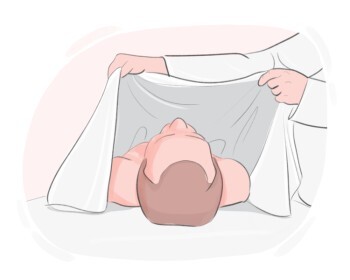
smutný,zarmoucený, feeling bad or unhappy

Ex: It was a sad day when the team lost the championship game .

Byl to smutný den, kdy tým prohrál mistrovskou hru.

to die
to die
[sloveso]

to no longer be alive

zemřít,  umřít

zemřít, umřít

Ex: The soldier sacrificed his life , willing to die for the safety of his comrades .

Voják obětoval svůj život, ochotný zemřít pro bezpečnost svých druhů.

lung
lung
[Podstatné jméno]

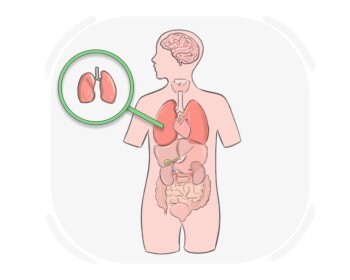
each of the two organs in the chest that helps one breathe

plíce, plicní

plíce, plicní

Ex: She experienced shortness of breath and wheezing , symptoms commonly associated with asthma , a chronic lung condition characterized by airway inflammation .

Zažila dušnost a pískoty, příznaky běžně spojované s astmatem, chronickým onemocněním plic charakterizovaným zánětem dýchacích cest.

disease
disease
[Podstatné jméno]

an illness in a human, animal, or plant that affects health

nemoc, onemocnění
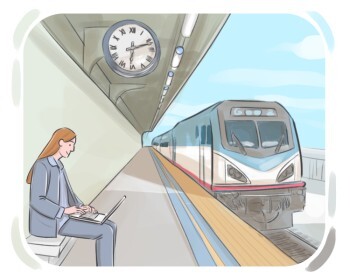
nemoc, onemocnění

Ex: The disease is spreading rapidly through the population .

Onemocnění se rychle šíří populací.

train station
train station
[Podstatné jméno]

a place where trains regularly stop for passengers to get on and off

nádraží, železniční stanice

nádraží, železniční stanice

Ex: The train station was located in the city center , making it convenient for travelers .

Nádraží se nacházelo v centru města, což bylo výhodné pro cestující.

to consider
to consider
[sloveso]

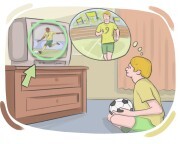
to regard someone or something in a certain way

považovat, uvažovat
považovat, uvažovat

Ex: He considers himself lucky to have such a supportive family .

Považuje se za šťastného, že má tak podporující rodinu.

to inspire
to inspire
[sloveso]

to fill someone with the desire or motivation to do something, especially something creative or positive

inspirovat, motivovat

inspirovat, motivovat

Ex: The leader 's vision and determination inspired the team to overcome challenges .

Vize a odhodlání vůdce inspirovaly tým k překonání výzev.

to ride
to ride
[sloveso]

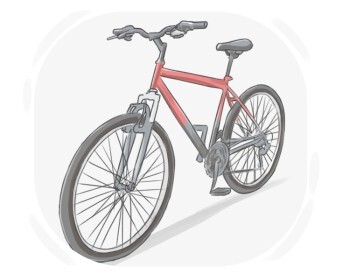
to sit on open-spaced vehicles like motorcycles or bicycles and be in control of their movements

jet, řídit
jet, řídit

Ex: John decided to ride his road bike to work , opting for a more eco-friendly and health-conscious commute .

John se rozhodl jet do práce na svém silničním kole, čímž si vybral ekologičtější a zdraví vědomější způsob dojíždění.

bicycle
bicycle
[Podstatné jméno]

a vehicle with two wheels that we ride by pushing its pedals with our feet

kolo,  bicykl

kolo, bicykl

Ex: They are buying a new bicycle for their daughter 's birthday .

Kupují nové kolo pro narozeniny své dcery.

proud
proud
[Přídavné jméno]

feeling satisfied with someone or one's possessions, achievements, etc.

hrdý, pyšný

hrdý, pyšný

Ex: He felt proud of himself for completing his first marathon .

Cítil se pyšný sám na sebe za dokončení svého prvního maratonu.

active
active
[Přídavné jméno]

(of a person) doing many things with a lot of energy

aktivní

aktivní

Ex: The active kids played outside all afternoon without getting tired .

Aktivní děti hrály venku celé odpoledne, aniž by se unavily.

LanGeek
Stáhnout aplikaci LanGeek