
Slovní Zásoba Klíčových Přírodních Orientací - Ostrov Jeju
Revize
Kartičky
Pravopis
Kvíz

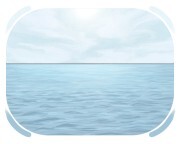
the great mass of salt water that covers most of the earth's surface

oceán, moře
Námořníci navigovali oceán pomocí hvězd.

any supernatural being worshipped for controlling aspects of life or personifying a force
bůh, božstvo
Staří Egypťané uctívali Rea, boha slunce.
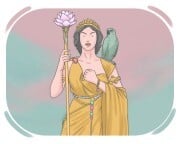
a female divine being worshipped in different religions
bohyně, ženské božstvo
V některých náboženstvích lidé přinášejí oběti, aby uctili své bohyně.
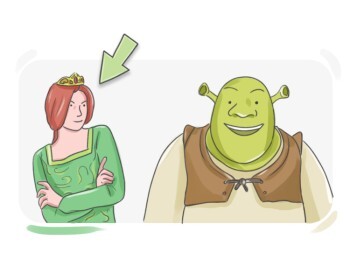
extremely pleasing to the mind or senses
krásný, nádherný
Nevěsta vypadala krásně, když šla uličkou.
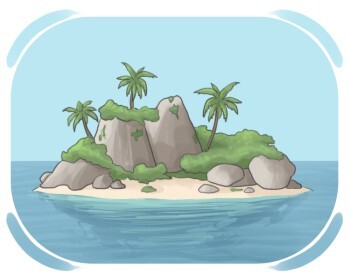
a piece of land surrounded by water
ostrov, ostrůvek
Byli jsme svědky toho, jak mořské želvy hnízdí na březích ostrova.
a country located in East Asia, sharing a border with North Korea to the north, and China and Japan to the east and west respectively
Jižní Korea, Jižní Korea
Jižní Korea je známá svou lahodnou kuchyní, jako je kimchi a bulgogi.
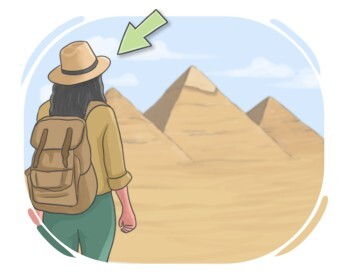
someone who visits a place or travels to different places for pleasure
turista, návštěvník
Turisté pořídili několik fotografií malebné krajiny.
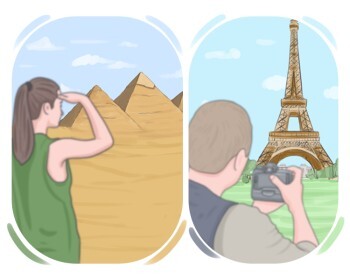
to go somewhere for a short time, especially to see something
navštívit, zavítat
Během své dovolené plánovali navštívit slavné památky a historická místa ve městě.
visually pleasing in a charming way
hezký, krásný
Se svýma hezkýma očima a přátelským chováním si snadno získává přátele.
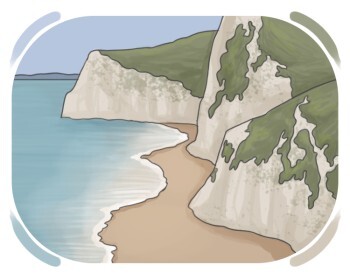
an area of sand or small stones next to a sea or a lake
pláž, pobřeží
Měli jsme piknik na písčité pláži a užívali si mořský vánek.
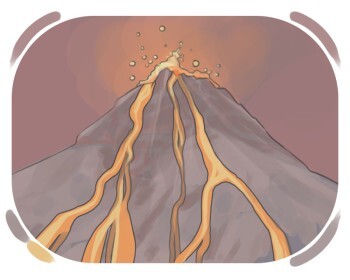
a mountain with an opening on its top, from which melted rock and ash can be pushed out into the air
sopka, sopečná hora
Zemětřesení se často vyskytují v blízkosti aktivních sopek.
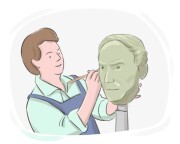
to bring something into existence or make something happen
vytvořit, založit
Mnoho podnikatelů touží vytvořit úspěšné podniky.
the sudden release of lava, gases, and ash from a volcano
sopečná erupce, erupce sopky
Sopečná erupce může výrazně změnit krajinu.

used with a number to show that it is not exact
přibližně, zhruba
Schůze by měla začít za asi deset minut.
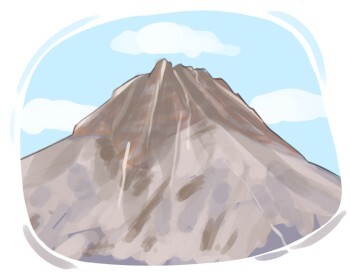
a very tall and large natural structure that looks like a huge hill with a pointed top that is often covered in snow
hora, vrchol
Vystoupali jsme na horu a užili si dechberoucí výhled z vrcholu.
(of a volcano) to explode and send smoke, lava, rocks, etc. into the sky
vybuchnout, eruptovat
Vědci předpověděli, že sopka by mohla brzy vybuchnout kvůli zvýšené seismické aktivitě.
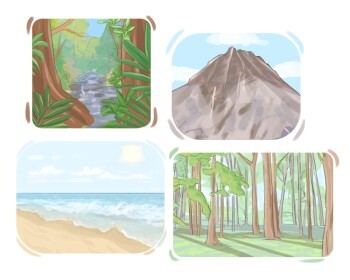
everything that exists or happens on the earth, excluding things that humans make or control
příroda, přirozené prostředí
Slyšíte zvuk přírody?
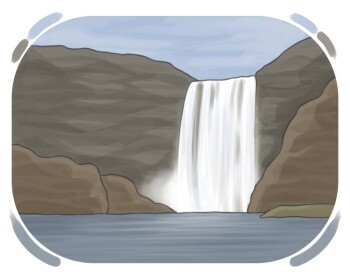
a high place, such as a cliff, from which a river or stream falls
vodopád, kaskáda
Byl okouzlen čistou silou a krásou řvoucího vodopádu.
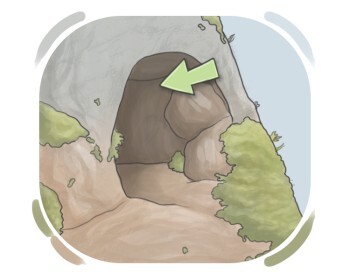
a hole or chamber formed underground naturally by rocks gradually breaking down over time
jeskyně, sluj
Nadšenci jeskynního potápění se odvážně vydávají do hlubin podvodních jeskyní, proplouvají úzkými průchody a prozkoumávají ponořené komory.
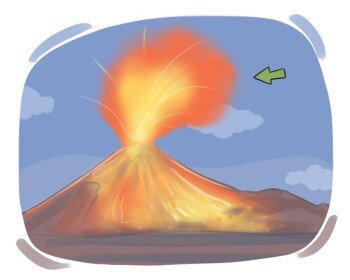
a substance from the inner layers of the earth which is erupted out of a volcanic mountain
láva
Vědci studují vzorky lávy, aby pochopili složení zemského nitra.
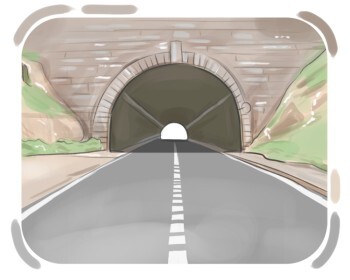
a passage dug through or under a mountain or a structure, typically for cars, trains, people, etc.
tunel, podzemní průchod
Systém metra zahrnuje několik tunelů, které spojují různé části města.
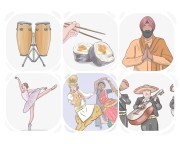
the general beliefs, customs, and lifestyles of a specific society
kultura
Zažili jsme místní kulturu během našeho pobytu v Itálii.
to swim under water for specific purposes using special swimming and breathing equipment
potápět se, provádět potápění
Vědci se ponoří do antarktických vod, aby studovali jedinečné ekosystémy pod ledem.
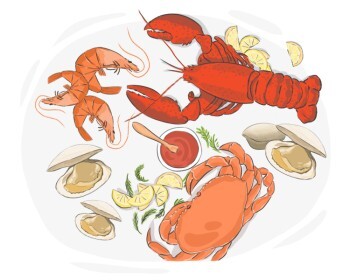
any sea creature that is eaten as food such as fish, shrimp, seaweed, and shellfish
plody moře, mořské produkty
Užili si hostinu s mořskými plody na pláži, s talíři krevet, ústřic a grilovaných ryb.
a large, typically metallic container designed for storing gases or liquids
nádrž, rezervoár
Vodní nádrž na střeše zásobuje celou budovu.
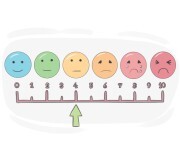
having a gentle or not very strong effect
mírný, jemný
Zemětřesení bylo mírné, nezpůsobilo žádné významné škody.
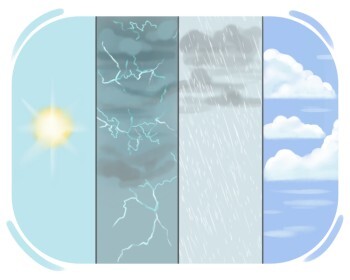
things that are related to air and sky such as temperature, rain, wind, etc.
počasí, klima
Kvůli bouřlivému počasí jsme museli zrušit naše venkovní plány.
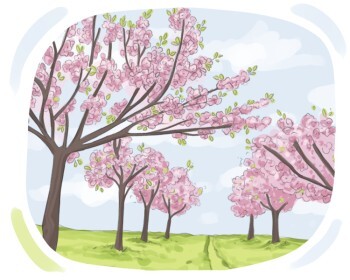
the season that comes after winter, when in most countries the trees and flowers begin to grow again
jaro, na jaře
Jarní semestr ve škole začíná v lednu a končí v květnu, s přestávkou na jarní prázdniny v březnu.
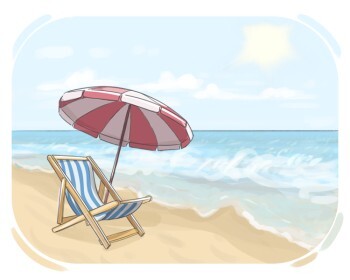
the season that comes after spring and in most countries summer is the warmest season
léto, letní období
Léto je období pro venkovní koncerty a festivaly.
characterizing an area that is richly covered with natural plant life or foliage
zelený
Zelená krajina byla posetá divokými květinami a hustým listím.
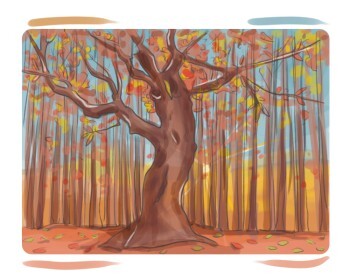
the season after summer and before winter when the leaves change color and fall from the trees
podzim, podzimní období
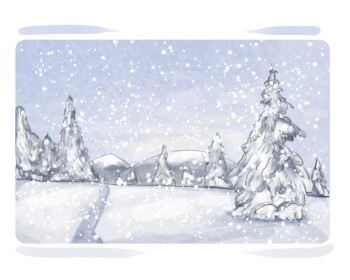
the season that comes after fall and in most countries winter is the coldest season
zima
Zima je období, kdy lidé slaví svátky, jako jsou Vánoce a Nový rok.
someone who visits a place or travels to different places for pleasure
turista, návštěvník
Turisté pořídili několik fotografií malebné krajiny.
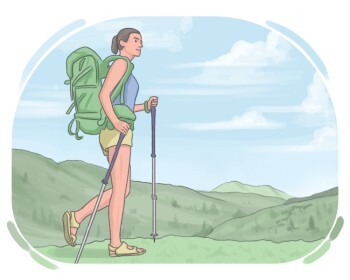
to take a long walk in the countryside or mountains for exercise or pleasure
túrovat, jít na túru
Tři hodiny jsme podnikali túru.
