

pattern

Klíčová Slovní Zásoba Slavných Ulic - Via Dolorosa

Revize

Kartičky

Pravopis

Kvíz

Začněte se učit
Key Famous Streets Vocabulary
famous
famous
[Přídavné jméno]

known by a lot of people

slavný,známý

slavný,známý

Ex: She became famous overnight after her viral video gained millions of views. 

Stala se slavnou přes noc poté, co její virální video získalo miliony zhlédnutí.
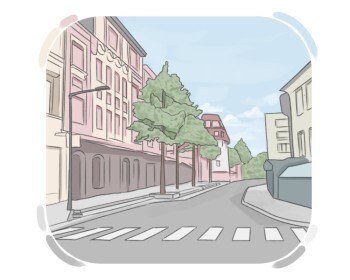
street
street
[Podstatné jméno]

a public path for vehicles in a village, town, or city, usually with buildings, houses, etc. on its sides

ulice,třída

ulice,třída

Ex: He parked his car on the street and walked to the nearby café. 

Zaparkoval své auto na ulici a došel do nedaleké kavárny.

Israel
Israel
[Podstatné jméno]

a country in Western Asia on the Mediterranean Sea

Izrael

Izrael

Ex: My brother lives in Tel Aviv, a vibrant city in Israel. 

Můj bratr žije v Tel Avivu, živém městě v Izraeli.

path
path
[Podstatné jméno]

the way or direction something or someone moves along

stezka,cesta

stezka,cesta

Ex: The delivery truck parked in the narrow alley, blocking the path of the pedestrians. 

Dodávkový vůz zaparkoval v úzké uličce a zablokoval cestu chodcům.

Jesus
Jesus
[Podstatné jméno]

the man whose followers believe to be the son of God and whose teachings are the foundation of the Christian religion

Ježíš,Kristus

Ježíš,Kristus

Ex: Jesus taught his followers to love their neighbors as themselves. 

Ježíš učil své následovníky, aby milovali své bližní jako sebe samé.

death
death
[Podstatné jméno]

the fact or act of dying

smrt,úmrtí

smrt,úmrtí

Ex: The family was deeply saddened by his death. 
cross
cross
[Podstatné jméno]

a representation of the structure on which Jesus Christ was executed, used as a symbol of Christianity

kříž,krucifix

kříž,krucifix

Ex: The large wooden cross was prominently displayed at the front of the church. 

Velký dřevěný kříž byl nápadně vystaven vpředu kostela.

Latin
Latin
[Podstatné jméno]

the language of ancient Rome that later developed into the Romance languages

latina

latina

Ex: Latin was widely used by educated Europeans for centuries. 
about
about
[Příslovce]

used to indicate that a number, amount, or measurement is approximate

Ex: Emily has been learning Spanish for about two years. 
to remember
to remember
[sloveso]

to honor and think about someone who has died, especially as part of a ceremony or tradition

pamatovat,vzpomínat

pamatovat,vzpomínat

Ex: We wear poppies to remember those who died in the war. 

Nosíme máky, abychom pamatovali na ty, kteří zemřeli ve válce.

to honor
to honor
[sloveso]

to show a lot of respect for someone or something

ctít,projevovat úctu

ctít,projevovat úctu

Ex: Families may honor their heritage by preserving and passing down cultural traditions. 

Rodiny mohou ctít své dědictví tím, že zachovávají a předávají kulturní tradice.

journey
journey
[Podstatné jméno]

the act of travelling between two or more places, especially when there is a long distance between them

cesta,putování

cesta,putování

Ex: Their journey across the country took them through diverse landscapes and cultures. 

Jejich cesta napříč zemí je provedla rozmanitou krajinou a kulturami.

stop
stop
[Podstatné jméno]

a spot where something halts or pauses

zastávka,zastavení

zastávka,zastavení

Ex: The train's stop was just beyond the signal. 
to mark
to mark
[sloveso]

to highlight a specific aspect or characteristic through the use of a symbol

označit,zdůraznit

označit,zdůraznit

Ex: Mark the correct answer with a check. 
important
important
[Přídavné jméno]

having great value, significance, or influence

Ex: The meeting will cover several important issues. 
to pray
to pray
[sloveso]

to address God or another deity in worship, thanks, praise, or a request for help

modlit se, pomodlit se
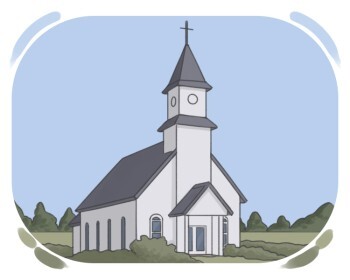
modlit se, pomodlit se

Ex: They prayed to God for guidance during the difficult time. 
church
church
[Podstatné jméno]

a building where Christians go to worship and practice their religion

kostel

kostel

Ex: They attended Sunday service at the local church with their family. 

Zúčastnili se nedělní bohoslužby v místním kostele se svou rodinou.

to die
to die
[sloveso]

to no longer be alive

zemřít, umřít

zemřít, umřít

Ex: Unfortunately, her pet fish died after being in poor health for a week. 

Bohužel její domácí ryba zemřela poté, co byla týden ve špatném zdravotním stavu.

tomb
tomb
[Podstatné jméno]

an overground or underground grave that is large in size and is often made of stone

hrobka,hrob

hrobka,hrob

Ex: They placed flowers at the entrance of the tomb to honor their loved one. 

Položili květiny u vchodu do hrobky, aby uctili svého blízkého.

Christian
Christian
[Podstatné jméno]

a person who believes in the teachings of Jesus or has been baptized

křesťan

křesťan

Ex: She was raised as a Christian. 
faith
faith
[Podstatné jméno]

strong belief in a particular god or religion

víra,přesvědčení

víra,přesvědčení

Ex: She found comfort in her religious faith. 
suffering
suffering
[Podstatné jméno]

physical or mental pain, distress, or unhappiness

utrpení, trápení

utrpení, trápení

Ex: Years of conflict brought widespread pain and suffering. 
special
special
[Přídavné jméno]

different or better than what is normal

zvláštní,speciální

zvláštní,speciální

Ex: That song holds a special place in her heart. 

Ta píseň má v jejím srdci zvláštní místo.

experience
experience
[Podstatné jméno]

the skill and knowledge we gain from doing, feeling, or seeing things

zkušenost

zkušenost

Ex: Her years of experience as a chef have made her an expert in the kitchen. 

Její roky zkušeností jako šéfkuchaře z ní udělaly odbornici v kuchyni.
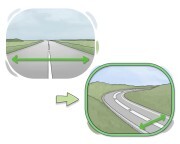
narrow
narrow
[Přídavné jméno]

having a limited distance between opposite sides

úzký,těsný

úzký,těsný

Ex: He squeezed through the narrow gap in the fence to access the abandoned property. 

Protáhl se úzkou mezerou v plotě, aby získal přístup k opuštěné nemovitosti.
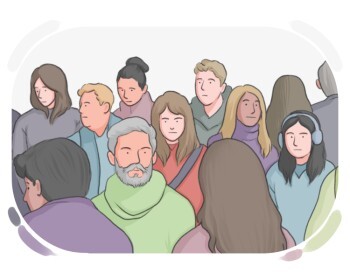
crowded
crowded
[Přídavné jméno]

(of a space) filled with things or people

přeplněný,nacpaný

přeplněný,nacpaný

Ex: The crowded bus was late due to heavy traffic. 

Přeplněný autobus měl zpoždění kvůli hustému provozu.

market
market
[Podstatné jméno]

a public place where people buy and sell groceries

trh,tržiště

trh,tržiště

Ex: He set up a stand at the market to sell homemade jams and preserves. 

Postavil stánek na trhu, aby prodával domácí džemy a konzervy.

alive
alive
[Přídavné jméno]

filled with energy, excitement, and vitality

živý,čilý

živý,čilý

Ex: The classroom was alive with the excitement of the upcoming field trip. 

Třída byla živá vzrušením z nadcházejícího výletu.
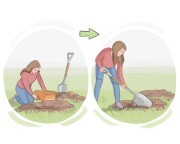
to bury
to bury
[sloveso]

to put a dead person or animal beneath the ground

pohřbít,zakopat

pohřbít,zakopat

Ex: The family buries their beloved pet in the backyard. 

Rodina pohřbívá svého milovaného mazlíčka na dvorku.

to visit
to visit
[sloveso]

to go somewhere for a short time, especially to see something

navštívit,zavítat

navštívit,zavítat

Ex: During their vacation, they planned to visit famous landmarks and historical sites in the city. 

Během své dovolené plánovali navštívit slavné památky a historická místa ve městě.

holy week
holy week
[Podstatné jméno]

the week before Easter

svatý týden,týden před Velikonocemi

svatý týden,týden před Velikonocemi

Good Friday
Good Friday
[Podstatné jméno]

Friday before Easter

Velký pátek,Svatý pátek

Velký pátek,Svatý pátek

to carry
to carry
[sloveso]

to hold someone or something and take them from one place to another

nést,přepravovat

nést,přepravovat

Ex: He carried the boxes upstairs. 
tradition
tradition
[Podstatné jméno]

a specific practice of long standing

tradice,zvyk

tradice,zvyk

Ex: According to tradition, the oldest member gives the first toast. 
LanGeek
Stáhnout aplikaci LanGeek