Baguette

Baguette

Ciabatta

Ciabatta

Tortilla

Tortilla

Lavash

Lavash

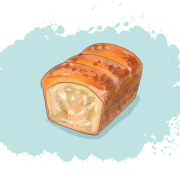
Babka

Babka

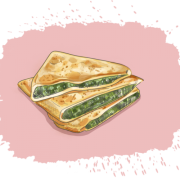
Yufka

Yufka

Pita

Pita

Bun

Bun

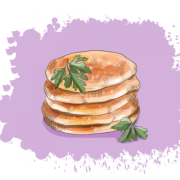
Bolani

Bolani

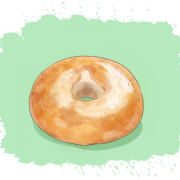
Bagel

Bagel

Rusk

Rusk

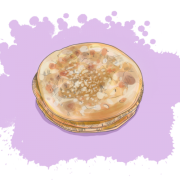
Chapati

Chapati

Sourdough

Sourdough

Damper

Damper

Breadstick

Breadstick

Zopf

Zopf

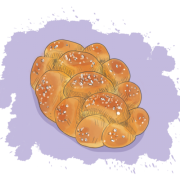
Challah

Challah

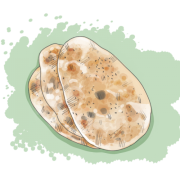
Naan

Naan

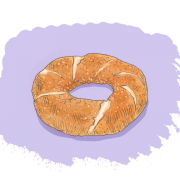
Simit

Simit

Brioche

Brioche

Bread

Bread

Baguette - Food and Drinks

40 chapters
levelbeginner

Learn English through easy and interesting readings about bread, discovering different types and traditions from around the world!

Vocabulary
1.
sandwich
[n]
/ˈsændwɪʧ/
2.
stick
[n]
/stɪk/
3.
inch
[n]
/ɪnʧ/
4.
round
[adj]
/raʊnd/
5.
thick
[adj]
/θɪk/
6.
creation
[n]
/kɹiˈeɪʃən/
7.
bake
[v]
/beɪk/
8.
ingredient
[n]
/ˌɪnˈɡɹidiənt/
9.
flour
[n]
/ˈfɫaʊɝ/, /ˈfɫaʊɹ/
10.
water
[n]
/ˈwɑːtɚ/
11.
yeast
[n]
/ˈjist/
12.
salt
[n]
/sɔːlt/
13.
dough
[n]
/ˈdoʊ/
14.
rise
[v]
/raɪz/
15.
bakery
[n]
/ˈbeɪkɝi/
16.
culture
[n]
/ˈkʌltʃɚ/
17.
meal
[n]
/miːl/
18.
important
[adj]
/ɪmˈpɔrtənt/
19.
favorite
[adj]
/ˈfeɪvɚɪt/
20.
vegetable
[n]
/ˈvɛdʒtəbl/
21.
tasty
[adj]
/ˈteɪsti/
22.
meal
[n]
/miːl/
23.
competition
[n]
/ˌkɑmpəˈtɪʃən/
24.
Grand Prix
[n]
/ɡɹˈænd pɹˈiː/
25.
year
[n]
/jɪr/
26.
winner
[n]
/ˈwɪnɚ/
27.
prize
[n]
/praɪz/
28.
choose
[v]
/tʃuːz/
29.
baguette
[n]
/ˌbæˈɡɛt/
30.
bread
[n]
/brɛd/
31.
popular
[adj]
/ˈpɑpjələr/
32.
France
[n]
/fræns/
33.
thin
[adj]
/θɪn/
34.
crisp
[adj]
/ˈkɹɪsp/
35.
crust
[n]
/ˈkɹəst/
36.
all over the (world|globe)
[phrase]
/ˈɔːl ˌoʊvɚ ðə wˈɜːld ɔːɹ ɡlˈoʊb/
37.
enjoy
[v]
/ɪnˈʤɔɪ/
38.
cheese
[n]
/tʃiːz/
39.
butter
[n]
/ˈbʌtɚ/
40.
jam
[n]
/dʒæm/

1.
sandwich
[n]
/ˈsændwɪʧ/
2.
stick
[n]
/stɪk/
3.
inch
[n]
/ɪnʧ/
4.
round
[adj]
/raʊnd/
5.
thick
[adj]
/θɪk/
6.
creation
[n]
/kɹiˈeɪʃən/
7.
bake
[v]
/beɪk/
8.
ingredient
[n]
/ˌɪnˈɡɹidiənt/
9.
flour
[n]
/ˈfɫaʊɝ/, /ˈfɫaʊɹ/
10.
water
[n]
/ˈwɑːtɚ/
11.
yeast
[n]
/ˈjist/
12.
salt
[n]
/sɔːlt/
13.
dough
[n]
/ˈdoʊ/
14.
rise
[v]
/raɪz/
15.
bakery
[n]
/ˈbeɪkɝi/
16.
culture
[n]
/ˈkʌltʃɚ/
17.
meal
[n]
/miːl/
18.
important
[adj]
/ɪmˈpɔrtənt/
19.
favorite
[adj]
/ˈfeɪvɚɪt/
20.
vegetable
[n]
/ˈvɛdʒtəbl/
21.
tasty
[adj]
/ˈteɪsti/
22.
meal
[n]
/miːl/
23.
competition
[n]
/ˌkɑmpəˈtɪʃən/
24.
Grand Prix
[n]
/ɡɹˈænd pɹˈiː/
25.
year
[n]
/jɪr/
26.
winner
[n]
/ˈwɪnɚ/
27.
prize
[n]
/praɪz/
28.
choose
[v]
/tʃuːz/
29.
baguette
[n]
/ˌbæˈɡɛt/
30.
bread
[n]
/brɛd/
31.
popular
[adj]
/ˈpɑpjələr/
32.
France
[n]
/fræns/
33.
thin
[adj]
/θɪn/
34.
crisp
[adj]
/ˈkɹɪsp/
35.
crust
[n]
/ˈkɹəst/
36.
all over the (world|globe)
[phrase]
/ˈɔːl ˌoʊvɚ ðə wˈɜːld ɔːɹ ɡlˈoʊb/
37.
enjoy
[v]
/ɪnˈʤɔɪ/
38.
cheese
[n]
/tʃiːz/
39.
butter
[n]
/ˈbʌtɚ/
40.
jam
[n]
/dʒæm/
1.
sandwich
[n]
/ˈsændwɪʧ/
Sandwich
2.
stick
[n]
/stɪk/
Stock
3.
inch
[n]
/ɪnʧ/
Zoll
4.
round
[adj]
/raʊnd/
rund
5.
thick
[adj]
/θɪk/
dick
6.
creation
[n]
/kɹiˈeɪʃən/
Schöpfung
7.
bake
[v]
/beɪk/
backen
8.
ingredient
[n]
/ˌɪnˈɡɹidiənt/
Zutat
9.
flour
[n]
/ˈfɫaʊɝ/, /ˈfɫaʊɹ/
Mehl
10.
water
[n]
/ˈwɑːtɚ/
Wasser
11.
yeast
[n]
/ˈjist/
Hefe
12.
salt
[n]
/sɔːlt/
Salz
13.
dough
[n]
/ˈdoʊ/
Teig
14.
rise
[v]
/raɪz/
aufgehen
15.
bakery
[n]
/ˈbeɪkɝi/
Bäckerei
16.
culture
[n]
/ˈkʌltʃɚ/
Kultur
17.
meal
[n]
/miːl/
the food that we eat regularly during different times of day, such as breakfast, lunch, or dinner
18.
important
[adj]
/ɪmˈpɔrtənt/
wichtig
19.
favorite
[adj]
/ˈfeɪvɚɪt/
Lieblings-
20.
vegetable
[n]
/ˈvɛdʒtəbl/
Gemüse
21.
tasty
[adj]
/ˈteɪsti/
lecker
22.
meal
[n]
/miːl/
Mahlzeit
23.
competition
[n]
/ˌkɑmpəˈtɪʃən/
Wettbewerb
24.
Grand Prix
[n]
/ɡɹˈænd pɹˈiː/
Großer Preis
25.
year
[n]
/jɪr/
Jahr
26.
winner
[n]
/ˈwɪnɚ/
Sieger(in)
27.
prize
[n]
/praɪz/
Preis
28.
choose
[v]
/tʃuːz/
wählen
29.
baguette
[n]
/ˌbæˈɡɛt/
Baguette
30.
bread
[n]
/brɛd/
Brot
31.
popular
[adj]
/ˈpɑpjələr/
beliebt
32.
France
[n]
/fræns/
Frankreich
33.
thin
[adj]
/θɪn/
dünn
34.
crisp
[adj]
/ˈkɹɪsp/
knackig
35.
crust
[n]
/ˈkɹəst/
Kruste
36.
all over the (world|globe)
[phrase]
/ˈɔːl ˌoʊvɚ ðə wˈɜːld ɔːɹ ɡlˈoʊb/
in every part of the world
37.
enjoy
[v]
/ɪnˈʤɔɪ/
genießen
38.
cheese
[n]
/tʃiːz/
Käse
39.
butter
[n]
/ˈbʌtɚ/
Butter
40.
jam
[n]
/dʒæm/
Marmelade

1

Kapitel

star
Baguette 
Read a short passage about how a long, crispy loaf became a classic French bread. 
1.1
A baguette is a type of bread that is very popular in France.  It is long and thin with a crisp crust.  People all over the world enjoy eating baguettes.  They are often eaten with cheese, butter, or jams.  Sometimes, they are used to make sandwiches. 

Ein Baguette ist eine Art Brot, das in Frankreich sehr beliebt ist. Es ist lang und dünn mit einer knusprigen Kruste. Menschen auf der ganzen Welt genießen es, Baguettes zu essen. Sie werden oft mit Käse, Butter oder Marmeladen gegessen. Manchmal werden sie verwendet, um Sandwiches zu machen.

1.2
The word "baguette" means "stick" in French.  This name comes from the bread's long, stick-like shape.  Baguettes are usually about 26 inches long but can be shorter or longer. 

Das Wort "Baguette" bedeutet "Stock" auf Französisch. Dieser Name kommt von der langen, stockähnlichen Form des Brotes. Baguettes sind normalerweise etwa 26 Zoll lang, können aber kürzer oder länger sein.

1.3
Baguettes were first made in the 1920s in France.  Before this, French breads were round and thick.  The creation of the baguette changed how people enjoyed bread.  Its shape and size made it easy to bake and eat. 

Baguettes wurden erstmals in den 1920er Jahren in Frankreich hergestellt. Davor waren französische Brote rund und dick. Die Erfindung des Baguettes veränderte die Art und Weise, wie Menschen Brot genossen. Seine Form und Größe machten es einfach zu backen und zu essen.

ThumbnailPhoto
1.4
Making a baguette involves simple ingredients: flour, water, yeast, and salt.  The dough is kneaded and then shaped into long pieces.  These pieces are left to rise.  This is when the dough becomes bigger and softer.  After rising, the dough is baked until the outside is golden and crispy. 

Die Herstellung eines Baguettes erfordert einfache Zutaten: Mehl, Wasser, Hefe und Salz. Der Teig wird geknetet und dann zu langen Stücken geformt. Diese Stücke werden gehen gelassen. In dieser Zeit wird der Teig größer und weicher. Nach dem Gehen wird der Teig gebacken, bis die Außenseite goldbraun und knusprig ist.

1.5
People in France buy baguettes fresh from bakeries almost every day.  In French culture, having fresh bread like this at meals is very important.  Baguettes are part of daily life in France. 

Menschen in Frankreich kaufen fast jeden Tag frische Baguettes in Bäckereien. In der französischen Kultur ist es sehr wichtig, solch frisches Brot zu den Mahlzeiten zu haben. Baguettes sind Teil des täglichen Lebens in Frankreich.

1.6
A fun way to enjoy a baguette is to fill it with your favorite ingredients.  You can put in meats, cheeses, or vegetables.  This makes a tasty meal that is easy to carry and eat. 

Eine lustige Art, ein Baguette zu genießen, ist es, es mit Ihren Lieblingszutaten zu füllen. Sie können Fleisch, Käse oder Gemüse hineinlegen. Dies macht eine leckere Mahlzeit, die leicht zu tragen und zu essen ist.

1.7
Fun fact: There is a special competition in France called the "Grand Prix de la Baguette."  Every year, bakers from all over Paris make their best baguettes.  A group of judges tastes them and chooses the best one.  The winner gets a prize and becomes very famous.  This shows how important baguettes are to French people. 

**Interessante Tatsache**: In Frankreich gibt es einen besonderen Wettbewerb namens "Grand Prix de la Baguette". Jedes Jahr backen Bäcker aus ganz Paris ihre besten Baguettes. Eine Gruppe von Juroren verkostet sie und wählt das beste aus. Der Gewinner erhält einen Preis und wird sehr berühmt. Dies zeigt, wie wichtig Baguettes für die Franzosen sind.

1. Baguette

1. Baguette

Bread


100%
1.

Which one is TRUE?

A

Baguettes are usually short and round.

B

Baguettes are often used for sandwiches.

C

Baguettes are made with milk and eggs.

D

Baguettes are only eaten on holidays.

2.

What does the word "baguette" mean in French?

A

Bread

B

Stick

C

Roll

D

Crumb

3.

Fill in the blanks with the correct words (Three options are extra).

A baguette is a type of

.

The dough is shaped into

pieces.

Baguettes are often eaten with

.

The outside of a baguette is

.

bread
long
butter
crispy
mustard
cake
flat
4.

Sort the steps of making a Baguette in the correct order:

knead and shape the dough
let the dough rise
bake until golden
use flour, water, yeast, and salt
5.

Which one is FALSE?

A

Baguettes were first made in the 1920s.

B

Baguettes are popular in France.

C

The dough does not need to rise before baking.

D

Baguettes are baked until golden and crispy.

6.

Why is the Grand Prix de la Baguette important?

A

It celebrates how important baguettes are in French life

B

It helps bakers sell baguettes worldwide

C

It gives free bread to all of France

D

It is a race for the fastest bakery

patternpatternpatternpatternpatternpattern