pattern

1000 Most Common English Words - Most Common English Words 201–250

Study 50 useful English words from the Top 1000 list and strengthen your everyday communication skills.

Revisión

Tarjetas de memoria

formas

Ortografía

Cuestionario

Empezar a aprender
1000 Most Common English Words
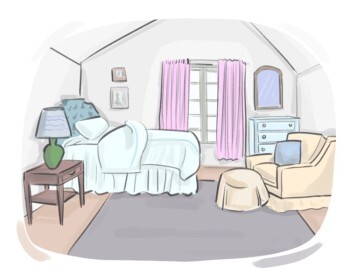
room
room
[Sustantivo]

a space in a building with walls, a floor, and a ceiling where people do different activities

habitación

habitación

Ex: I have a big room with a window. 
car
car
[Sustantivo]

a road vehicle that has four wheels, an engine, and a small number of seats for people

coche, carro
coche, carro

Ex: I drive my car to work every day. 
to believe
to believe
[Verbo]

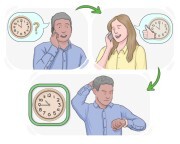
to accept something to be true even without proof

creer
creer

Ex: I believed her excuses for missing the meeting. 
late
late
[Adjetivo]

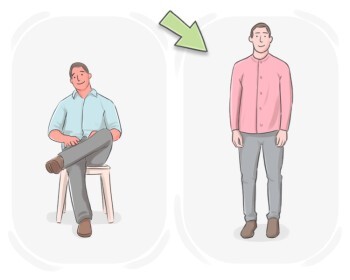
doing or happening after the time that is usual or expected

tarde, atrasado
tarde, atrasado

Ex: The late delivery of the package inconvenienced the recipient. 
to stand
to stand
[Verbo]

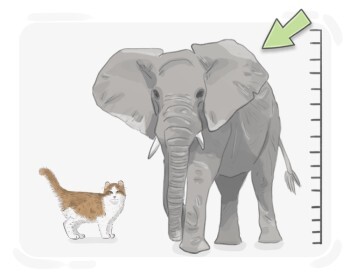
to be upright on one's feet

estar de pie
estar de pie

Ex: He likes to stand on the balcony to feel the breeze. 
big
big
[Adjetivo]

above average in size or extent

grande

grande

Ex: They live in a big house. 
to meet
to meet
[Verbo]

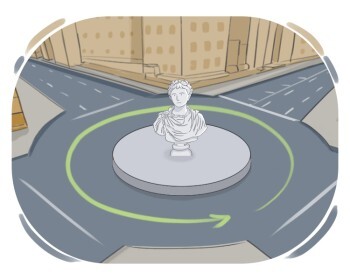
to come together as previously scheduled for social interaction or a prearranged purpose

encontrarse, reunirse
encontrarse, reunirse

Ex: We will meet at the coffee shop for a chat tomorrow. 
round
round
[Adjetivo]

having a circular shape, often spherical in appearance

redondo

redondo

Ex: The round table provided ample seating for guests, its smooth surface encouraging conversation. 
to return
to return
[Verbo]

to go or come back to a person or place

regresar

regresar

Ex: After a long vacation, it's time to return home. 
close
close
[Adjetivo]

near in distance

cercano

cercano

Ex: The close proximity of the two houses made them ideal for neighbors. 
idea
idea
[Sustantivo]

a suggestion or thought about something that we could do

idea
idea

Ex: Sarah proposed a brilliant idea for the upcoming fundraiser 
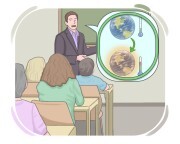
subject
subject
[Sustantivo]

a branch or an area of knowledge that we study at a school, college, or university

asignatura

asignatura

Ex: At university, Jane specialized in the subject of linguistics, studying various languages and their structures. 
to allow
to allow
[Verbo]

to let someone or something do a particular thing

permitir
permitir

Ex: She allowed her children to play in the park. 
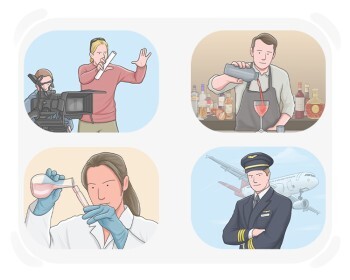
job
job
[Sustantivo]

the work that we do regularly to earn money

trabajo
trabajo

Ex: He enjoys his job because it allows him to be creative. 
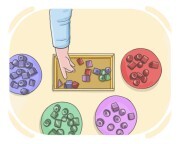
to sort
to sort
[Verbo]

to organize items by putting them into different groups based on their characteristics or other criteria

clasificar, ordenar
clasificar, ordenar

Ex: She sorted the laundry into different piles based on color and fabric type before washing them. 
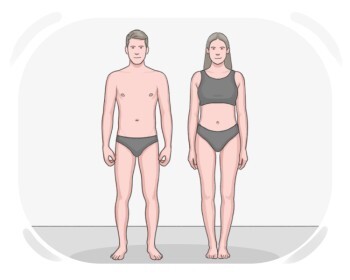
body
body
[Sustantivo]

our or an animal's hands, legs, head, and every other part together

cuerpo

cuerpo

Ex: She enjoys yoga because it helps her connect with her body and find inner balance. 
law
law
[Sustantivo]

a country's rules that all of its citizens are required to obey

ley
ley

Ex: Breaking the law can result in serious consequences. 
rate
rate
[Sustantivo]

the number of times something changes or happens during a specific period of time

tasa

tasa

Ex: The crime rate in the city has decreased significantly over the past year. 
enough
enough
[Adverbio]

to a degree or extent that is sufficient or necessary

lo suficiente, bastante
lo suficiente, bastante

Ex: The team had trained hard and believed they were fit enough for the upcoming match. 
enough
enough
[Determinante]

to a necessary amount

lo suficiente, bastante
lo suficiente, bastante

Ex: The soup wasn't hot enough to serve. 
to fall
to fall
[Verbo]

to quickly move from a higher place toward the ground

caerse

caerse

Ex: Be careful not to slip and fall on the wet floor. 
authority
authority
[Sustantivo]

a person or group that exercises administrative or controlling power over others

autoridad

autoridad

Ex: Local authorities regulate public services. 
fall
fall
[Sustantivo]

the season that comes after summer, when in most countries the color of the leaves change and they fall from the trees

otoño
otoño

Ex: Fall is the season when students go back to school after summer break. 
to close
to close
[Verbo]

to move something like a window or door into a position that people or things cannot pass through

cerrar
cerrar

Ex: After entering the room, I asked him to close the door behind him. 
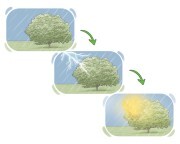
to happen
to happen
[Verbo]

to come into existence by chance or as a consequence

ocurrir

ocurrir

Ex: An unexpected storm can happen at any time of year. 
to matter
to matter
[Verbo]

to be important or have a great effect on someone or something

importar

importar

Ex: It doesn't matter what time you arrive; the event will still start at 7 PM. 
friend
friend
[Sustantivo]

someone we like and trust

amigo

amigo

Ex: David and Samantha became friends after meeting at a book club and discovered their shared passion for literature. 
matter
matter
[Sustantivo]

a situation or subject that needs to be dealt with or considered

problema

problema

Ex: Climate change is a pressing matter that requires immediate attention from global leaders. 
to increase

to become larger in amount or size

aumentar,  incrementar

aumentar, incrementar

Ex: The temperature is expected to increase throughout the day. 
minister
minister
[Sustantivo]

the person who is the head of a specific department within the government, responsible for managing policies, operations, and administration related to that department

ministro, secretario

ministro, secretario

Ex: As head of the Department of Finance, the minister oversees the country's economic policies and fiscal management. 
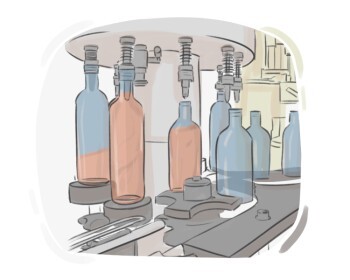
increase
increase
[Sustantivo]

a rise in something's amount, degree, size, etc.

aumento, incremento
aumento, incremento

Ex: The company reported an increase in sales this quarter. 
to produce
to produce
[Verbo]

to make something using raw materials or different components

producir

producir

Ex: How did you manage to produce a meal so quickly? 
to carry
to carry
[Verbo]

to hold someone or something and take them from one place to another

llevar

llevar

Ex: She used a backpack to carry her books to school. 
mind
mind
[Sustantivo]

the ability in a person that makes them think, feel, or imagine

mente

mente

Ex: She has a brilliant mind for solving puzzles. 
road
road
[Sustantivo]

a wide path made for cars, buses, etc. to travel along

carretera

carretera

Ex: They drove down a winding road to reach the countryside. 
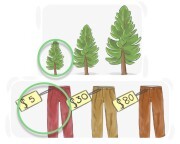
to mind
to mind
[Verbo]

(often used in negative or question form) to be upset, offended, or bothered by something

importar
importar

Ex: I don't mind if you borrow my book, just please return it when you're done. 
least
least
[Adverbio]

to the lowest extent

menos

menos

Ex: The best ideas often come to you when you least expect them. 
to claim
to claim
[Verbo]

to say that something is the case without providing proof for it

asegurar

asegurar

Ex: The controversial article regularly claims that a UFO sighting occurred last night. 
least
least
[Pronombre]

used to refer to something that is of the smallest degree, amount, or significance

lo menos, lo mínimo

lo menos, lo mínimo

Ex: Helping out is the least I can do to show my appreciation. 
whole
whole
[Adjetivo]

including every part, member, etc.

todo
todo

Ex: He ate the whole pizza by himself. 
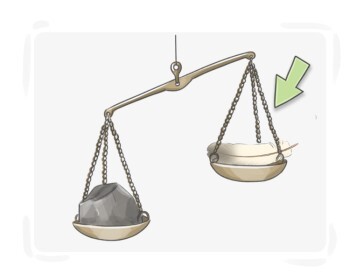
light
light
[Adjetivo]

having very little weight and easy to move or pick up

ligero
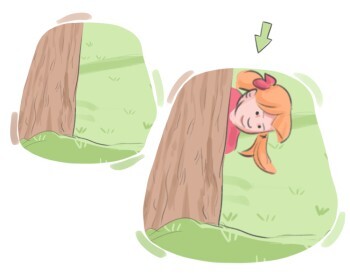
ligero

Ex: He carried a light backpack filled with his school supplies. 
to appear
to appear
[Verbo]

to become visible and noticeable

aparecer

aparecer

Ex: With the sun rising over the horizon, the outline of the mountains appeared in the distance. 
light
light
[Sustantivo]

a type of electromagnetic radiation that makes it possible to see, produced by the sun or another source of illumination

luz
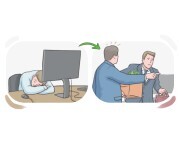
luz

Ex: The room was filled with bright light from the lamp. 
to cause
to cause
[Verbo]

to make something happen, usually something bad

causar, provocar
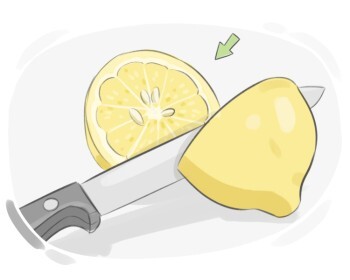
causar, provocar

Ex: Please don't cause any more problems in class. 
half
half
[Determinante]

an amount equal to one of two equal parts

medio

medio

Ex: We spent half the day cleaning. 
cause
cause
[Sustantivo]

an event, thing, or person that gives rise to something

causa
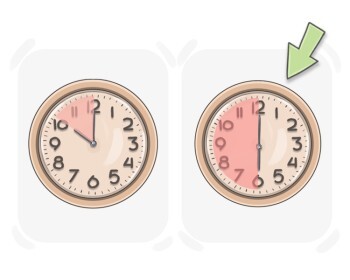
causa

Ex: The sudden drop in temperature was the cause of the heavy snowfall. 
half
half
[Sustantivo]

either one of two equal parts of a thing

media
media

Ex: I ate a sandwich and a half for lunch. 
low
low
[Adjetivo]

small or below average in degree, value, level, or amount

bajo

bajo

Ex: She was raising three kids on a low income. 
price
price
[Sustantivo]

the amount of money required for buying something

precio

precio

Ex: He checked the price of the flight online. 
half
half
[Adverbio]

to a partial or limited extent

a medias, parcialmente

a medias, parcialmente

Ex: The door was left half open during the storm. 
LanGeek
Descargar la aplicación LanGeek