pattern

1000 Most Common English Words - Most Common English Words 851–900

Learn 50 useful English words near the end of the Top 1000 list for stronger vocabulary skills.

Revisión

Tarjetas de memoria

formas

Ortografía

Cuestionario

Empezar a aprender
1000 Most Common English Words
title
title
[Sustantivo]

a name that is used to describe someone's position or status

título

título

Ex: After years of hard work, she was given the title "Senior Engineer." 
to strike
to strike
[Verbo]

to hit using hands or weapons

golpear, pegar
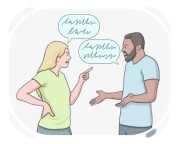
golpear, pegar

Ex: The blacksmith struck the hot metal with a hammer to shape it. 
argument
argument
[Sustantivo]

a discussion, typically a serious one, between two or more people with different views

argumento

argumento

Ex: His strong argument convinced the team to change their strategy. 
strike
strike
[Sustantivo]

a collective refusal to work by employees to protest conditions, pay, or policies

huelga, paro laboral

huelga, paro laboral

Ex: The workers organized a strike for higher wages. 
to object
to object
[Verbo]

to express disapproval of something

objetar

objetar

Ex: During the meeting, several members objected to the proposed changes in the company policy. 
seat
seat
[Sustantivo]

a place in a plane, train, theater, etc. that is designed for people to sit on, particularly one requiring a ticket

asiento

asiento

Ex: He checked his ticket to find the correct seat in the stadium. 
original
original
[Adjetivo]

existing at the start of a specific period or process

primario

primario

Ex: The gardens have recently been restored to their original glory. 
fish
fish
[Sustantivo]

an animal with a tail, gills and fins that lives in water

pez
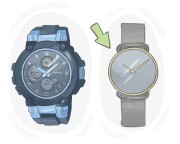
pez

Ex: My dad took me fishing, and we caught a big fish. 
basic
basic
[Adjetivo]

having the simplest form without extra complexity

facíl
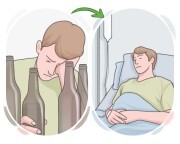
facíl

Ex: The basic design of the house focuses on functionality over decoration. 
to fish
to fish
[Verbo]

to catch or attempt to catch fish with special equipment such as a fishing line and a hook or net

pescar
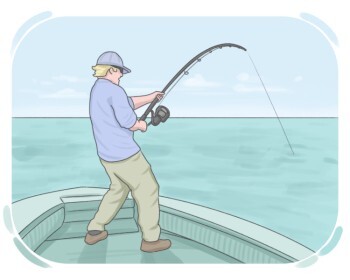
pescar

Ex: I love to fish on sunny days at the lake. 
to suffer
to suffer
[Verbo]

to experience and be affected by something bad or unpleasant

sufrir

sufrir

Ex: They suffered the consequences of their actions. 
ring
ring
[Sustantivo]

a small, round band of metal such as gold, silver, etc. that we wear on our finger, and is often decorated with precious stones

anillo

anillo

Ex: He bought a silver ring with a blue gemstone for his mother's birthday. 
responsibility
responsibility
[Sustantivo]

the obligation to perform a particular duty or task that is assigned to one

responsabilidad, obligación

responsabilidad, obligación

Ex: She accepted the responsibility of leading the project team. 
to ring
to ring
[Verbo]

to produce a clear and distinct sound that can be heard at a distance

sonar, repicar
sonar, repicar

Ex: The church bell rang loudly, its sound echoing across the town. 
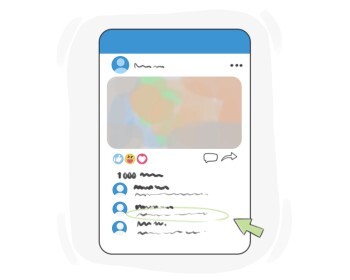
comment
comment
[Sustantivo]

a spoken or written remark that expresses an opinion or reaction

comentario
comentario

Ex: He replied to my comment with a detailed explanation. 
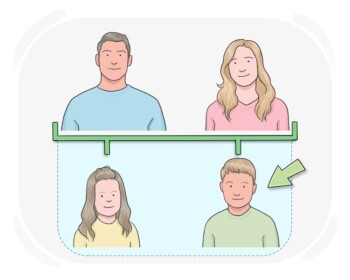
brother
brother
[Sustantivo]

a man who shares a mother and father with us

hermano

hermano

Ex: Emily's brother likes to play video games and watch sports on TV. 
original
original
[Sustantivo]

something that serves as a model or template for producing copies

original, modelo

original, modelo

Ex: The prototype functions as the original for mass production. 
to comment
to comment
[Verbo]

to express one's opinion about something or someone

comentar
comentar

Ex: After reading the article, she decided to comment on the author's perspective and add her own insights. 
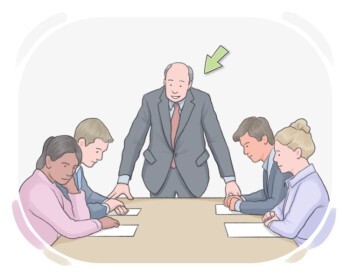
chairman
chairman
[Sustantivo]

someone who is in charge of a company, organization, etc., for the long term

presidente

presidente

Ex: The chairman of the board announced a new strategic direction for the company during the annual shareholders' meeting. 
to hit
to hit
[Verbo]

to strike someone or something with force using one's hand or an object

golpear, pegar

golpear, pegar

Ex: I accidentally hit my thumb with the hammer. 
judge
judge
[Sustantivo]

the official in charge of a court who decides on legal matters

juez
juez

Ex: The judge listened to both sides of the case before making a ruling. 
hit
hit
[Sustantivo]

something, such as a movie, play, song, etc. that is very popular and successful

éxito

éxito

Ex: Her first novel was a hit and sold millions of copies worldwide. 
to judge
to judge
[Verbo]

to form a decision or opinion based on what one knows

juzgar

juzgar

Ex: She judges the quality of the book based on its plot and character development. 
deep
deep
[Adjetivo]

having a great distance from the surface to the bottom

profundo
profundo

Ex: The ocean is incredibly deep, with some parts reaching depths of over 36,000 feet. 
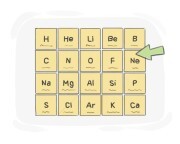
element
element
[Sustantivo]

a substance that is composed of only one type of atom, typically characterized by specific physical and chemical properties

elemento
elemento

Ex: Oxygen is an essential element for human respiration. 
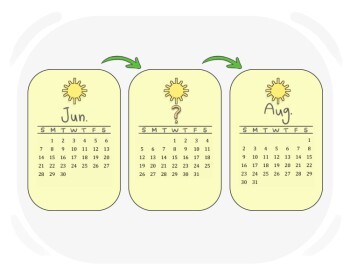
July
July
[Sustantivo]

the seventh month of the year, after June and before August

julio
julio

Ex: Fireworks displays are common in many countries during the month of July. 
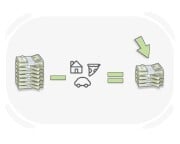
profit
profit
[Sustantivo]

the sum of money that is gained after all expenses and taxes are paid

beneficios

beneficios

Ex: The company reported a significant profit for the fiscal year, reflecting efficient operations and strong sales. 
to forget
to forget
[Verbo]

to not be able to remember something or someone from the past

olvidar

olvidar

Ex: It's easy to forget passwords, so it's essential to use a secure system. 
to profit
to profit
[Verbo]

to gain money or material benefits

beneficiarse, lucrar

beneficiarse, lucrar

Ex: Entrepreneurs aim to profit by creating value and meeting market demands. 
to avoid
to avoid
[Verbo]

to intentionally stay away from or refuse contact with someone

evitar

evitar

Ex: To prevent a confrontation, he tried to avoid his ex-girlfriend at the party. 
separate
separate
[Adjetivo]

not connected to anything, and forming a unit by itself

separado, aparte

separado, aparte

Ex: The hotel has separate rooms for guests traveling alone. 
to determine

to learn of and confirm the facts about something through calculation or research

determinar

determinar

Ex: Scientists regularly determine the chemical composition of substances in the laboratory. 
to separate

to divide or disconnect something from a larger whole

separar

separar

Ex: The manager separates recyclables from regular waste in the office. 
to address
to address
[Verbo]

to think about a problem or an issue and start to deal with it

abordar

abordar

Ex: The company needs to address the issue of employee turnover. 
soviet
soviet
[Adjetivo]

of or relating to or characteristic of the former Soviet Union or its people

soviético

soviético

address
address
[Sustantivo]

the place where someone lives or where something is sent

dirección

dirección

Ex: He memorized his girlfriend's address by heart. 
soviet
soviet
[Sustantivo]

an elected governmental council in a communist country (especially one that is a member of the Union of Soviet Socialist Republics)

soviet, consejo

soviet, consejo

campaign
campaign
[Sustantivo]

a series of organized activities that are intended to achieve a particular goal

campaña
campaña

Ex: The presidential campaign included rallies, debates, and advertising across the country. 
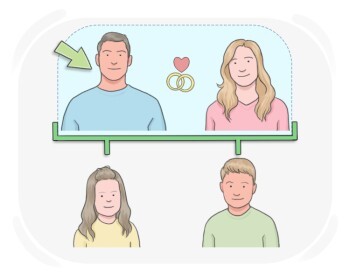
husband
husband
[Sustantivo]

the man you are officially married to

esposo, marido
esposo, marido

Ex: As a loving husband, he surprises his wife with romantic gestures on special occasions. 
to campaign

to promote or advertise something, typically in a sustained and organized way

hacer campaña, promocionar

hacer campaña, promocionar

Ex: The company decided to campaign its new product through various marketing channels. 
appropriate
appropriate
[Adjetivo]

suitable or acceptable for a given situation or purpose

adecuado, apropiado

adecuado, apropiado

Ex: Wearing casual attire is appropriate for a picnic. 
glass
glass
[Sustantivo]

a container that is used for drinks and is made of glass

vaso

vaso

Ex: Sarah enjoyed her milkshake in a thick glass with a straw. 
anyway
anyway
[Adverbio]

used when ending a conversation, or changing, or returning to a subject

bueno

bueno

Ex: Anyway, let’s get back to the main topic of our discussion. 
duty
duty
[Sustantivo]

an obligatory task that must be done as one's job

deber, obligación

deber, obligación

Ex: It is her duty to ensure the safety of all the employees. 
to tend
to tend
[Verbo]

to be likely to develop or occur in a certain way because that is the usual pattern

tender a

tender a

Ex: Some plants tend to thrive in direct sunlight, while others prefer shade. 
to suppose
to suppose
[Verbo]

to think or believe that something is possible or true, without being sure

suponer

suponer

Ex: I suppose she’ll be at the meeting since she confirmed her attendance earlier. 
discussion
discussion
[Sustantivo]

a conversation with someone about a serious subject

discusión

discusión

Ex: The team had a lengthy discussion about the company's future strategies. 
aspect
aspect
[Sustantivo]

a defining or distinctive feature of something

aspecto, característica

aspecto, característica

Ex: One important aspect of the project is meeting the deadline. 
object
object
[Sustantivo]

a non-living thing that one can touch or see

objeto

objeto

Ex: The sculpture in the museum is an ancient object made of marble. 
to transfer

to make a person or thing move from a place, situation, or person to another

trasladarse

trasladarse

Ex: The professor decided to transfer the student to a more advanced class. 
LanGeek
Descargar la aplicación LanGeek