pattern

Vocabulario Clave para Escritores - Margaret Atwood

Revisión

Tarjetas de memoria

formas

Ortografía

Cuestionario

Empezar a aprender
Key Writers Vocabulary
Canada
Canada
[Sustantivo]

the second largest country in the world that is in the northern part of North America

Canadá

Canadá

Ex: Canada celebrates its national day, Canada Day, on July 1st. 
wild
wild
[Adjetivo]

located in a dismal or remote area; desolate

salvaje, desolado
salvaje, desolado

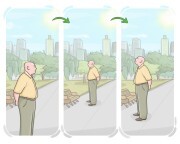
to spend
to spend
[Verbo]

to pass time in a particular manner or in a certain place

pasar, dedicar
pasar, dedicar

Ex: He spends his free time practicing the guitar. 
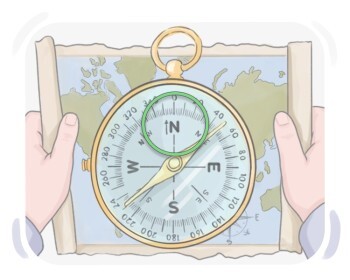
northern
northern
[Adjetivo]

positioned in the direction of the north

norte, norteño

norte, norteño

Ex: The northern star guides travelers in the night sky. 
Quebec
Quebec
[Sustantivo]

the largest province of Canada; a French colony from 1663 to 1759 when it was lost to the British

Quebec

Quebec

to study
to study
[Verbo]

to spend time to learn about certain subjects by reading books, going to school, etc.

estudiar
estudiar

Ex: She spends hours every day to study for her upcoming exams. 
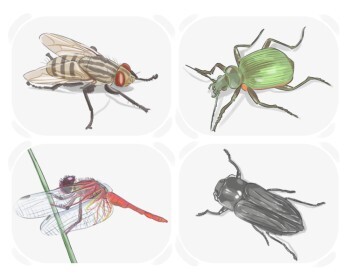
insect
insect
[Sustantivo]

a small creature such as a bee or ant that has six legs, and generally one or two pairs of wings

insecto, bicho

insecto, bicho

Ex: I was observing an insect crawling on the tree bark. 
forest
forest
[Sustantivo]

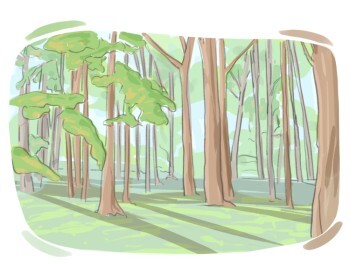
a vast area of land that is covered with trees and shrubs

bosque

bosque

Ex: I love the fresh scent of pine trees in the forest. 
close
close
[Adjetivo]

sharing a strong and intimate bond

cercano,  íntimo

cercano, íntimo

Ex: They have a close friendship that has lasted for years. 
connection
connection
[Sustantivo]

a relation by which things or people are associated or linked

conexión

conexión

Ex: She felt an instant connection with the new colleague who shared her passion for photography. 
to shape
to shape
[Verbo]

to give something a particular form

moldear, dar forma

moldear, dar forma

Ex: She used clay to shape a beautiful sculpture. 
college
college
[Sustantivo]

a university in which students can study up to a bachelor's degree after graduation from school

universidad

universidad

Ex: After completing high school, Sarah decided to attend a prestigious college to pursue her dream of becoming a biologist. 
toronto
toronto
[Sustantivo]

the provincial capital and largest city in Ontario (and the largest city in Canada)

Toronto, la capital provincial y la ciudad más grande de Ontario (y la ciudad más grande de Canadá)

Toronto, la capital provincial y la ciudad más grande de Ontario (y la ciudad más grande de Canadá)

the United States
the United States
[Sustantivo]

a country in North America that has 50 states

Estados Unidos

Estados Unidos

Ex: English is the primary language spoken in the United States. 
to publish
to publish
[Verbo]

to produce a newspaper, book, etc. for the public to purchase

publicar, editar

publicar, editar

Ex: The company published a new novel last month. 
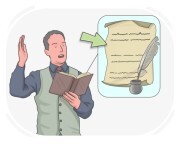
novel
novel
[Sustantivo]

a long written story that usually involves imaginary characters and places

novela
novela

Ex: She's reading a novel about a detective solving mysteries in a small town. 
poem
poem
[Sustantivo]

a written piece with particularly arranged words in a way that, usually rhyme, conveys a lot of emotion and style

poema

poema

Ex: She wrote a poem about the changing seasons that left everyone mesmerized. 
women's rights
women's rights
[Sustantivo]

the rights and entitlements claimed for women and girls worldwide, encompassing aspects such as bodily integrity, freedom from sexual violence, voting, equal pay, reproductive rights, and education

derechos de las mujeres, derechos de la mujer

derechos de las mujeres, derechos de la mujer

Ex: Women’s rights include the ability to vote, run for office, and actively participate in shaping policies and governance. 
technology
technology
[Sustantivo]

devices, equipment, and machinery produced using scientific knowledge

tecnología

tecnología

Ex: The company specializes in manufacturing cutting-edge technology, including smartphones and tablets. 
society
society
[Sustantivo]

people in general, considered as an extensive and organized group sharing the same laws

sociedad
sociedad

Ex: In modern society, technological advancements have drastically changed the way we communicate and interact. 
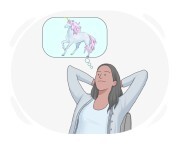
to imagine
to imagine
[Verbo]

to make or have an image of something in our mind

imaginar
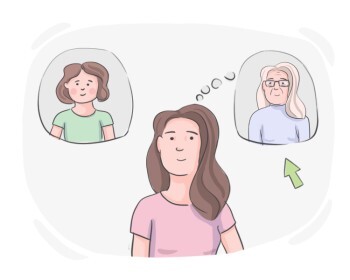
imaginar

Ex: Close your eyes and imagine a beautiful sunset over the ocean. 
future
future
[Sustantivo]

the time that will come after the present or the events that will happen then

futuro

futuro

Ex: She's excited about her future at the new job. 
to turn into

to make something change and become something else

convertir

convertir

Ex: His encouraging words turned her sadness into happiness. 
television show
television show
[Sustantivo]

a series of episodes broadcast on television that tells a story or provides entertainment, usually consisting of a specific genre or format

programa de televisión, serie de televisión

programa de televisión, serie de televisión

Ex: I love watching my favorite television show every evening after work. 
essay
essay
[Sustantivo]

a piece of writing that briefly analyzes or discusses a specific subject

ensayo

ensayo

Ex: She wrote an essay about climate change for her biology class. 
to win
to win
[Verbo]

to be awarded something such as a prize after winning a contest, bet, etc.

ganar, conseguir

ganar, conseguir

Ex: She won a scholarship to study abroad. 
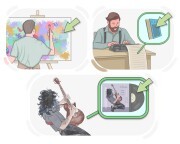
award
award
[Sustantivo]

a prize or money given to a person for their great performance

premio
premio

Ex: She received a lifetime achievement award for her work in cinema. 
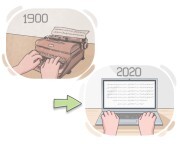
modern
modern
[Adjetivo]

related to the most recent time or to the present time

moderno
moderno

Ex: Advances in modern medicine have greatly improved life expectancy. 
work
work
[Sustantivo]

a painting, piece of music or book that is produced by a painter, musician, or writer

obra

obra

Ex: Each work in the artist's collection tells a unique story. 
to explore
to explore
[Verbo]

to investigate something to gain knowledge or understanding about it

explorar, investigar

explorar, investigar

Ex: The researchers explored the effects of climate change on local ecosystems, conducting experiments to gather data and analyze their findings. 
literature
literature
[Sustantivo]

written works that are valued as works of art, such as novels, plays and poems

literatura
literatura

Ex: Her personal library was filled with an extensive collection of world literature, from ancient epics to contemporary short stories. 
environment
environment
[Sustantivo]

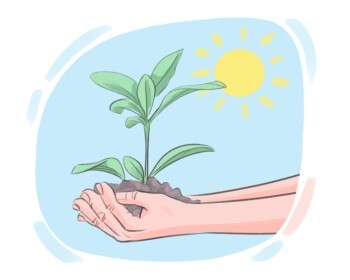
the natural world around us where people, animals, and plants live

entorno, medio ambiente
entorno, medio ambiente

Ex: Conserving water is beneficial for the environment. 
climate change
climate change
[Sustantivo]

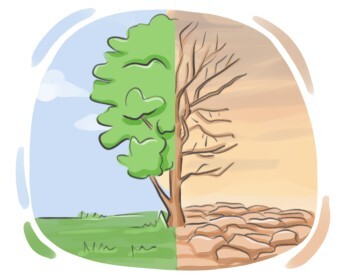
a permanent change in global or regional climate patterns, including temperature, wind, and rainfall

cambio climático

cambio climático

Ex: Climate change is a major concern for future generations. 
topic
topic
[Sustantivo]

a matter that is dealt with in a conversation, text, or study

tema, asunto

tema, asunto

Ex: The professor introduced the main topic of today's lecture: cultural anthropology. 
to sign
to sign
[Verbo]

to write one's name or mark on a document to indicate acceptance, approval, or endorsement of its contents

firmar

firmar

Ex: The author regularly signs copies of her books at book signings. 
LanGeek
Descargar la aplicación LanGeek