
Vocabulario de Científicos Clave - Jane Goodall
Revisión
Tarjetas de memoria
formas
Ortografía
Cuestionario


known by a lot of people

famoso, célebre
Los turistas acuden en masa a la ciudad para visitar monumentos famosos como la Torre Eiffel.

someone whose job or education is about science
científico
Ganó un premio por sus contribuciones como joven científico.

the largest country in the United Kingdom, located in Western Europe
Inglaterra
Inglaterra es conocida por su escena cultural diversa, con contribuciones a la literatura, la música y el arte a lo largo de la historia.

the capital and largest city of both England and the United Kingdom, situated in the southeastern region of the country
Londres
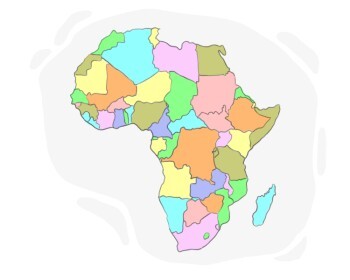
the second largest continent
África
El monte Kilimanjaro es el pico más alto de África.

a country located in East Africa, known for its wildlife, including Serengeti National Park and Mount Kilimanjaro, as well as its coastal city, Dar es Salaam
Tanzania, la Tanzania
Tanzania tiene un rico patrimonio cultural, con más de 120 grupos étnicos diferentes.
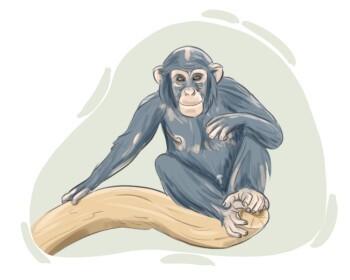
an intelligent ape, with mainly black fur, which has no tail and is native to the forests of western and central Africa
chimpancé
Los chimpancés se comunican a través de una variedad de vocalizaciones, gestos y expresiones faciales, formando vínculos estrechos dentro de sus grupos sociales.
originating from or created by nature, not made or caused by humans
natural
La mesa estaba elaborada con madera natural, mostrando sus patrones de veta orgánicos.

an exciting or unusual experience, often involving risk or physical activity
aventura
Su caminata en solitario por el desierto fue una prueba de resistencia y autodescubrimiento, una verdadera aventura.

to actively pay attention and observe in order to notice any changes or developments
observar
La enfermera vigilará al paciente durante la noche para monitorear su condición.
to become aware of something, often accidentally or through observation
descubrir, enterarse
Ella supo sobre la fiesta sorpresa cuando escuchó a sus amigos planeándola.
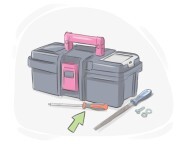
something such as a hammer, saw, etc. that is held in the hand and used for a specific job
herramienta
La herramienta más importante del chef en la cocina es un cuchillo afilado.
a long, thin object, often resembling a piece of wood, used for pointing, drawing attention, or performing specific actions
palo, varita
El director usó una vara para dirigir la orquesta.
to find out about or realize the existence, presence, or fact of something
descubrir, encontrar
Ella descubrió el senderismo el verano pasado y lo amó de inmediato.
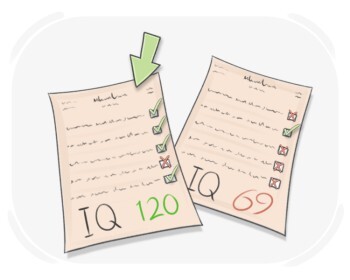
able to think and learn in a good and quick way
inteligente, quick to learn and understand
El empleado inteligente siempre se le ocurren ideas innovadoras.
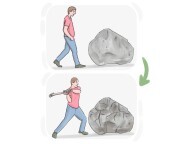
to find an answer or solution to a question or problem
resolver, solucionar
El científico realizó experimentos para resolver la pregunta científica.
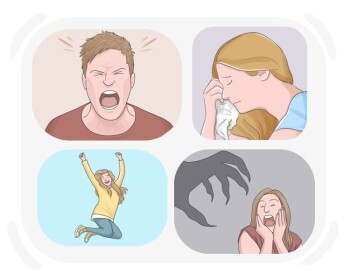
an emotional state or sensation that one experiences such as happiness, guilt, sadness, etc.
sentimiento
El sentimiento de emoción en el aire era palpable mientras la multitud esperaba el inicio del concierto.
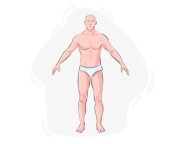
a person
ser humano
La invención de la rueda fue un avance significativo en la historia de la humanidad.
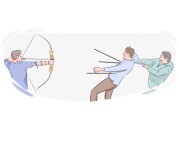
to prevent someone or something from being damaged or harmed
proteger
Nuestro objetivo es proteger los empleos de nuestros miembros.

a prize or money given to a person for their great performance
premio
El libro ganó varios premios literarios el año pasado.
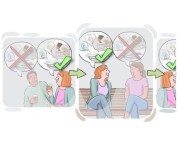
to hold an opinion that something is the case
creer, pensar
Estoy empezando a creer que la amabilidad realmente puede marcar la diferencia.

to admire someone because of their achievements, qualities, etc.
respetar
Ella respeta a su mentor y admira su dedicación e integridad.

under regular or usual circumstances
normalmente
Él normalmente lee un libro antes de acostarse.
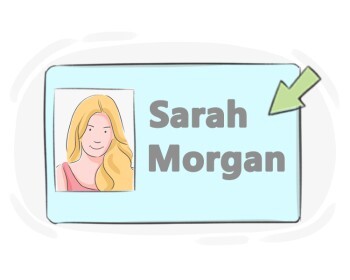
the word we call a person or thing
nombre
Por favor, escriba su nombre en el papel.
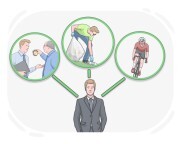
all the qualities that shape a person's character and make them different from others
personalidad
Su personalidad extrovertida lo hace popular en las fiestas.
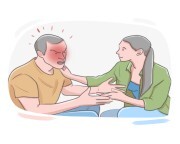
to be able to comprehend and empathize with someone else's feelings, problems etc.
entender, comprender
Entiendo cómo te sientes; es una situación difícil.
