pattern

Vocabulario de Científicos Clave - James Watt

Revisión

Tarjetas de memoria

Ortografía

Cuestionario

Empezar a aprender
Key Scientists Vocabulary
Scotland
Scotland
[Sustantivo]

a European country in the northern United Kingdom

Escocia
Escocia

Ex: Many tourists visit Scotland to experience its rich cultural heritage, including traditional music and dance. 

Muchos turistas visitan Escocia para experimentar su rico patrimonio cultural, incluyendo música y danza tradicionales.

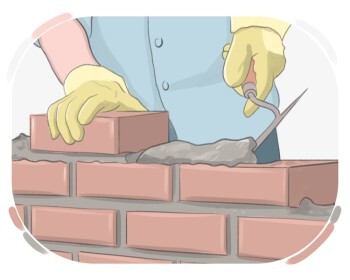
to build
to build
[Verbo]

to put together different materials such as brick to make a building, etc.

construir
construir

Ex: These cottages are built with timber and thatch. 

Estas cabañas están construidas con madera y paja.

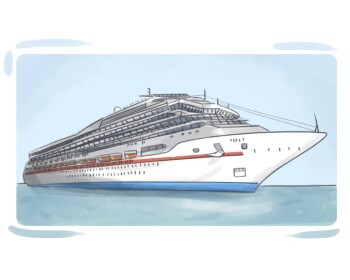
ship
ship
[Sustantivo]

a large boat, used for carrying passengers or goods across the sea

barco, navío
barco, navío

Ex: The ship sailed across the ocean, carrying cargo from one country to another. 

El barco navegó a través del océano, transportando carga de un país a otro.

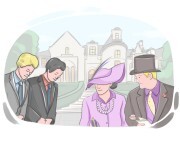
respected
respected
[Adjetivo]

admired and valued by others for one's qualities, achievements, or actions

respetado, estimado

respetado, estimado

Ex: The respected journalist was known for her unbiased reporting and insightful analysis. 

El periodista respetado era conocido por sus informes imparciales y su análisis perspicaz.
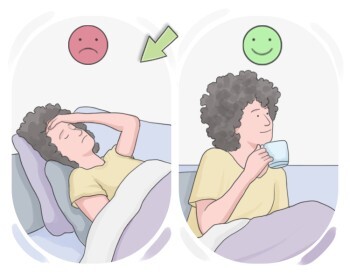
sick
sick
[Adjetivo]

not in a good and healthy physical or mental state

enfermo

enfermo

Ex: My father was so sick that he couldn't even get out of bed. 

Mi padre estaba tan enfermo que ni siquiera podía salir de la cama.

to teach
to teach
[Verbo]

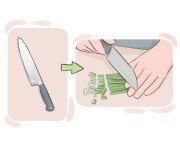
to assist or enable someone to acquire some knowledge, skills, or abilities

enseñar, instruir
enseñar, instruir

Ex: The coach teaches basketball skills to the players, demonstrating proper shooting technique. 

El entrenador enseña habilidades de baloncesto a los jugadores, demostrando la técnica adecuada de tiro.

to use
to use
[Verbo]

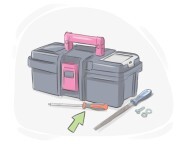
to do something with an object, method, etc. to achieve a specific result

usar, utilizar
usar, utilizar

Ex: I use my keys to unlock the door. 

Uso mis llaves para abrir la puerta.

tool
tool
[Sustantivo]

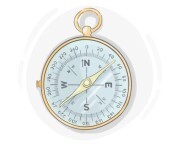
something such as a hammer, saw, etc. that is held in the hand and used for a specific job

herramienta
herramienta

Ex: The chef's most important tool in the kitchen is a sharp knife. 

La herramienta más importante del chef en la cocina es un cuchillo afilado.

compass
compass
[Sustantivo]

a device with a needle that always points to the north, used to find direction

brújula

brújula

Ex: She checked the compass to ensure they were heading north towards the mountain base camp. 

Ella revisó la brújula para asegurarse de que se dirigían al norte hacia el campamento base de la montaña.

business
business
[Sustantivo]

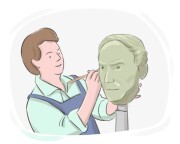
the activity of providing services or products in exchange for money

negocios
negocios

Ex: She invested her savings in a start-up business. 

Ella invirtió sus ahorros en un negocio emergente.

to create
to create
[Verbo]

to bring something into existence or make something happen

crear

crear

Ex: The scientists created a groundbreaking vaccine for the disease. 

Los científicos crearon una vacuna innovadora para la enfermedad.

steam engine
steam engine
[Sustantivo]

a machine that uses steam made from boiling water to produce power and make parts move

máquina de vapor, motor de vapor

máquina de vapor, motor de vapor

Ex: The steam engine changed travel and work in the 1800s. 

La máquina de vapor cambió los viajes y el trabajo en el siglo XIX.
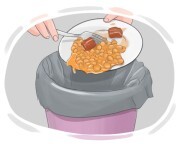
to waste
to waste
[Verbo]

to use something without care or more than needed

malgastar

malgastar

Ex: Instead of recycling, he chose to waste paper by throwing it in the regular trash. 

En lugar de reciclar, eligió desperdiciar papel tirándolo a la basura normal.

steam
steam
[Sustantivo]

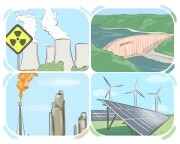
energy or power produced by the pressure of boiling water vapor

vapor
vapor

Ex: The turbines generated electricity using steam pressure. 

Las turbinas generaron electricidad utilizando la presión del vapor.

energy
energy
[Sustantivo]

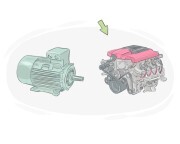
a source of power that can be used to produce heat, light, or to operate different machines

energía
energía

Ex: Wind turbines generate energy from the wind. 

Los aerogeneradores generan energía a partir del viento.

engine
engine
[Sustantivo]

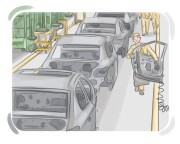
the part of a vehicle that uses a particular fuel to make the vehicle move

motor
motor

Ex: She studied mechanical engineering to learn how to design and build engines. 

Ella estudió ingeniería mecánica para aprender a diseñar y construir motores.

factory
factory
[Sustantivo]

a building or set of buildings in which products are made, particularly using machines

fábrica
fábrica

Ex: The textile factory employed many workers to produce clothing and fabrics. 

La fábrica textil empleaba a muchos trabajadores para producir ropa y telas.

cheap
cheap
[Adjetivo]

having a low price

barato

barato

Ex: The hotel room was cheap, but it lacked amenities. 

La habitación del hotel era barata, pero carecía de comodidades.

industrial revolution

the period of time in the 18th and 19th centuries that machines were used for the first time for mass production of goods, started in Britain

Revolución Industrial

Revolución Industrial

Ex: The invention of the steam engine by James Watt was a pivotal moment in the Industrial Revolution. 

La invención de la máquina de vapor por James Watt fue un momento crucial en la revolución industrial.

power unit
power unit
[Sustantivo]

a measure of electric power

unidad de potencia, unidad eléctrica

unidad de potencia, unidad eléctrica

LanGeek
Descargar la aplicación LanGeek