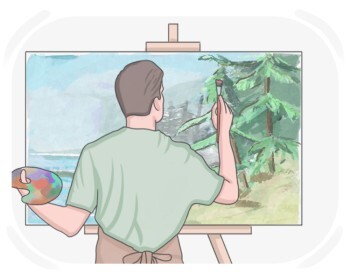
pattern

Vocabulario de Puntos de Referencia Culturales Clave - Louvre

Revisión

Tarjetas de memoria

Ortografía

Cuestionario

Empezar a aprender
Key Cultural Landmarks Vocabulary
louvre museum
louvre museum
[Sustantivo]

an art museum that is a famous tourist attraction in Paris

museo del Louvre

museo del Louvre

famous
famous
[Adjetivo]

known by a lot of people

famoso, célebre

famoso, célebre

Ex: Tourists flock to the city to visit famous landmarks such as the Eiffel Tower. 

Los turistas acuden en masa a la ciudad para visitar monumentos famosos como la Torre Eiffel.
museum
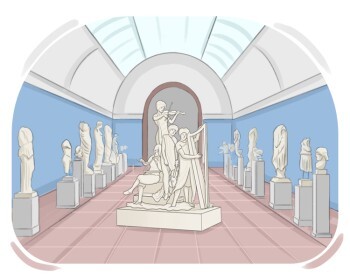
museum
[Sustantivo]

a place where important cultural, artistic, historical, or scientific objects are kept and shown to the public

museo

museo

Ex: I visited the museum to learn about ancient civilizations. 
paris
paris
[Sustantivo]

the capital and largest city of France; and international center of culture and commerce

París

París

Ex: The Seine River flows through Paris. 
France
France
[Sustantivo]

a country in Europe known for its famous landmarks such as the Eiffel Tower

Francia
Francia

Ex: Paris, the capital city of France, is home to iconic landmarks such as the Eiffel Tower and Notre-Dame Cathedral. 
building
building
[Sustantivo]

a structure that has walls, a roof, and sometimes many levels, like an apartment, house, school, etc.

edificio, construcción
edificio, construcción

Ex: The school building has a playground for the students. 
palace
palace
[Sustantivo]

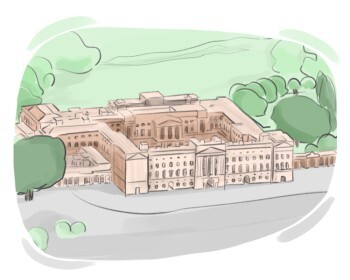
a large building that is the official home of a powerful or very important person such as a king, queen, pope, etc.

palacio
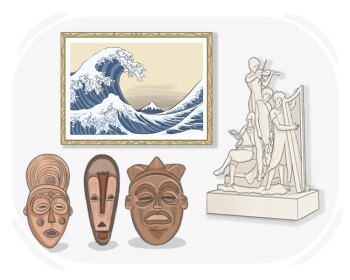
palacio

Ex: The ancient palace of the emperor stood as a testament to the grandeur of past civilizations, its ruins offering glimpses into history. 
work of art
work of art
[Sustantivo]

a creative product, such as a painting, sculpture, poem, or piece of music, that demonstrates strong imaginative or aesthetic appeal

obra de arte, pieza de arte

obra de arte, pieza de arte

Ex: The symphony was a work of art, with its complex harmonies and emotional depth captivating the audience. 

La sinfonía fue una obra de arte, con sus armonías complejas y profundidad emocional cautivando a la audiencia.
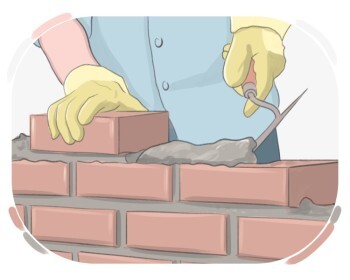
to build
to build
[Verbo]

to put together different materials such as brick to make a building, etc.

construir

construir

Ex: These cottages are built with timber and thatch. 
fortress
fortress
[Sustantivo]

a structure or town that has been designed for military defense against enemy attacks

fortaleza

fortaleza

Ex: The walls of the fortress were built thick and high to withstand sieges. 

Fortaleza

late
late
[Adjetivo]

existing or occurring near the end of a specified period of time

tardío, final

tardío, final

Ex: She finally completed her degree in her late twenties. 
century
century
[Sustantivo]

a period of one hundred years

siglo, centuria

siglo, centuria

Ex: The city celebrated its third century of existence last year. 
royal
royal
[Adjetivo]

relating to the king or queen or belonging to the monarchy

real

real

Ex: The royal chef prepared a special feast for the visiting dignitaries. 
public
public
[Sustantivo]

a society's ordinary people

público

público

Ex: The company's mission is to ensure that its products are accessible to the general public. 
over
over
[Preposición]

used to express exceeding a particular amount, level, or limit

más de, por encima de

más de, por encima de

Ex: The temperature rose over 35 degrees. 
painting
painting
[Sustantivo]

a picture created by paint

pintura

pintura

Ex: She gifted me a beautiful painting of a serene beach at sunset. 
to paint
to paint
[Verbo]

to produce a picture or design with paint

pintar

pintar

Ex: He enjoys painting abstract art, using bold colors and shapes. 
leonardo da vinci
leonardo da vinci
[Sustantivo]

Italian painter and sculptor and engineer and scientist and architect; the most versatile genius of the Italian Renaissance (1452-1519)

pintor y escultor e ingeniero y científico y arquitecto italiano; el genio más versátil del Renacimiento italiano (1452-1519), Leonardo da Vinci
pintor y escultor e ingeniero y científico y arquitecto italiano; el genio más versátil del Renacimiento italiano (1452-1519), Leonardo da Vinci

mysterious
mysterious
[Adjetivo]

difficult or impossible to comprehend or explain

misterioso

misterioso

Ex: The coded message found in the old diary was mysterious, its meaning eluding decipherment for decades. 

El mensaje codificado encontrado en el viejo diario era misterioso, su significado eludiendo el descifrado durante décadas.
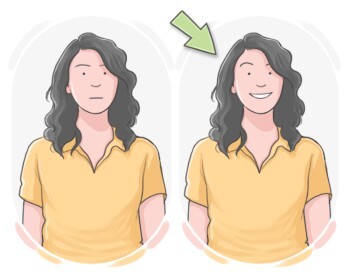
smile
smile
[Sustantivo]

an expression in which our mouth curves upwards, when we are being friendly or are happy or amused

sonrisa
sonrisa

Ex: Her smile brightened up the room, spreading joy to everyone around. 
statue
statue
[Sustantivo]

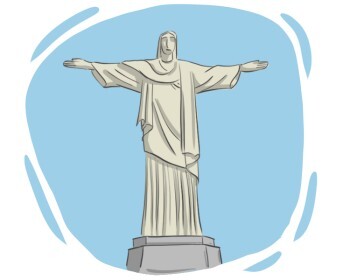
a three-dimensional figure of a person or animal, typically made from a hard material such as stone, metal, or wood

estatua
estatua

Ex: The city erected a statue in memory of the famous writer. 
object
object
[Sustantivo]

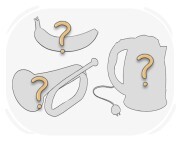
a non-living thing that one can touch or see

objeto
objeto

Ex: The telescope allowed astronomers to observe distant objects in the night sky. 
ancient
ancient
[Adjetivo]

related or belonging to a period of history that is long gone

antiguo

antiguo

Ex: The artifacts displayed in the museum date back to ancient times. 
Egypt
Egypt
[Sustantivo]

a country on the continent of Africa with a rich history, famous for its pyramids, temples, and pharaohs

Egipto

Egipto

Ex: I bought a beautiful handmade rug from Egypt. 
Greece
Greece
[Sustantivo]

a country in southeastern Europe on the southern part of the Balkan Peninsula

Grecia

Grecia

Ex: Greece shares a northern border with several Balkan countries. 
Rome
Rome
[Sustantivo]

the capital city of Italy, historically significant as the center of the Roman Empire and the seat of the Vatican

Roma

Roma

Ex: His ambition was so great that he often compared himself to the rulers of ancient Rome. 
glass
glass
[Sustantivo]

a hard material that is often clear and is used for making windows, bottles, etc.

vidrio

vidrio

Ex: Be careful, the broken glass on the floor could cut your feet. 
pyramid
pyramid
[Sustantivo]

a solid with a polygonal base and triangular faces that meet at a single point

pirámide

pirámide

Ex: She calculated the volume of the pyramid for homework. 

Ella calculó el volumen de la pirámide para la tarea.

entrance
entrance
[Sustantivo]

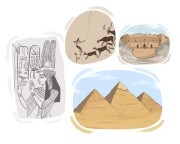
an opening like a door, gate, or passage that we can use to enter a building, room, etc.

entrada
entrada

Ex: The entrance to the park is through the main gate. 
metal
metal
[Sustantivo]

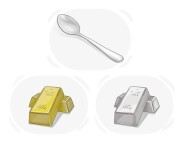
a usually solid and hard substance that heat and electricity can move through, such as gold, iron, etc.

metal
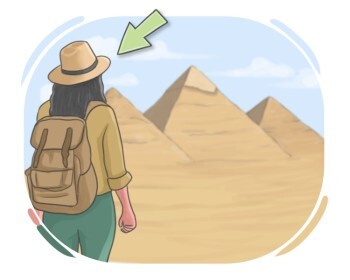
metal

Ex: Gold is a precious metal valued for its rarity and beauty. 
visitor
visitor
[Sustantivo]

someone who enters a place, such as a building, city, or website, for a particular purpose

visitante, turista
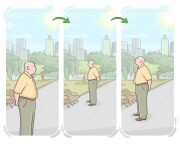
visitante, turista

Ex: During the conference, attendees networked with industry professionals and exchanged ideas with fellow visitors. 
to spend
to spend
[Verbo]

to pass time in a particular manner or in a certain place

pasar, dedicar
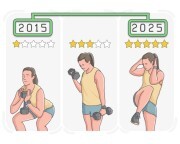
pasar, dedicar

Ex: His retirement years were spent traveling the world. 
to take
to take
[Verbo]

to need a specific amount of time to do something or for something to be done or happen

tardar, llevar

tardar, llevar

Ex: Cooking a homemade meal from scratch can take more time than ordering takeout. 
LanGeek
Descargar la aplicación LanGeek