pattern

Vocabulario de Monumentos Modernos Clave - Arco de la Puerta

Revisión

Tarjetas de memoria

formas

Ortografía

Cuestionario

Empezar a aprender
Key Modern Landmarks Vocabulary
famous
famous
[Adjetivo]

known by a lot of people

famoso, célebre

famoso, célebre

Ex: Tourists flock to the city to visit famous landmarks such as the Eiffel Tower. 

Los turistas acuden en masa a la ciudad para visitar monumentos famosos como la Torre Eiffel.

monument
monument
[Sustantivo]

a structure, statue, or other object built to commemorate a person or important event

monumento

monumento

Ex: Thousands of visitors come to see the national monument each year. 
the United States
the United States
[Sustantivo]

a country in North America that has 50 states

Estados Unidos

Estados Unidos

Ex: The history of the United States includes significant events like the Civil War. 
to shape
to shape
[Verbo]

to give something a particular form

moldear, dar forma

moldear, dar forma

Ex: The carpenter used a saw to shape the wood into a curve. 
shiny
shiny
[Adjetivo]

bright and smooth in a way that reflects light

brillante

brillante

Ex: The shiny surface of the polished marble floor reflected the overhead lights. 

La superficie brillante del suelo de mármol pulido reflejaba las luces del techo.
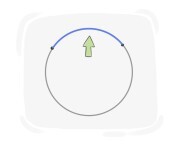
arch
arch
[Sustantivo]

something that forms or resembles a curved arch shape

arco
arco

Ex: Daniel admired the natural arch formed by the rocks. 
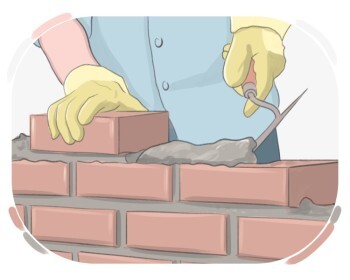
to build
to build
[Verbo]

to put together different materials such as brick to make a building, etc.

construir
construir

Ex: These cottages are built with timber and thatch. 
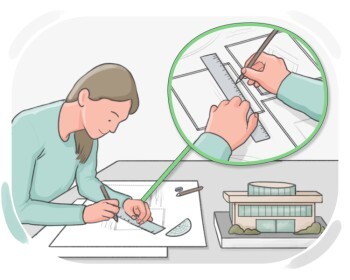
architect
architect
[Sustantivo]

a person whose job is to design buildings and often oversee their construction

arquitecto
arquitecto

Ex: Daniel works as an architect in Chicago. 
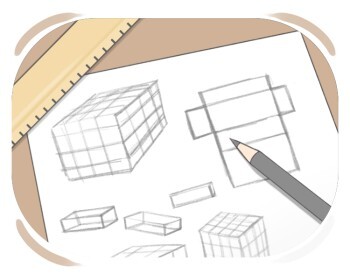
to design
to design
[Verbo]

to make drawings according to which something will be constructed or produced

diseñar

diseñar

Ex: By the time the project was due, they had already designed the entire product. 
to remember

to keep something in one's mind, particularly an important fact

recordar, tener presente

recordar, tener presente

Ex: You need to remember that she is an introvert and may need some alone time. 
to move
to move
[Verbo]

to change one's place of residence or work

mudarse, trasladarse
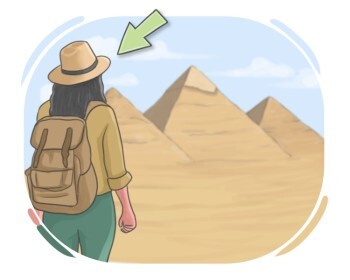
mudarse, trasladarse

Ex: We'll be moving to a different office building next month. 
visitor
visitor
[Sustantivo]

someone who enters a place, such as a building, city, or website, for a particular purpose

visitante, turista
visitante, turista

Ex: During the conference, attendees networked with industry professionals and exchanged ideas with fellow visitors. 
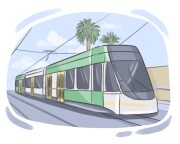
tram
tram
[Sustantivo]

a vehicle that is powered by electricity and moves on rails in a street, used for transporting passengers

tranvía

tranvía

Ex: The city's new tram system reduced traffic congestion by providing a reliable alternative to cars and buses. 

El nuevo sistema de tranvía de la ciudad redujo la congestión del tráfico al proporcionar una alternativa confiable a los automóviles y autobuses.
to take
to take
[Verbo]

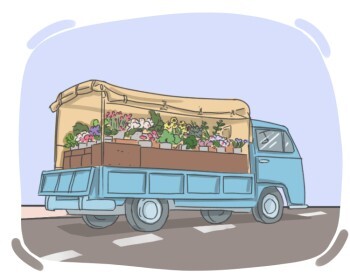
to move or carry a thing or person from one location to a different one

llevarse
llevarse

Ex: He took the suitcase from the car and carried it up the stairs. 
ride
ride
[Sustantivo]

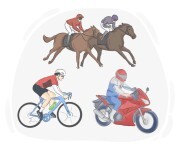
a journey on a horse, bicycle, automobile, or machine

montar
montar

Ex: After a long day of hiking, they hitched a ride back to the campground with a friendly passerby. 
to take
to take
[Verbo]

to need a specific amount of time to do something or for something to be done or happen

tardar, llevar
tardar, llevar

Ex: Cooking a homemade meal from scratch can take more time than ordering takeout. 
steel
steel
[Sustantivo]

a type of hard metal that is made of a mixture of iron and carbon, used in construction of buildings, vehicles, etc.

acero, metal duro

acero, metal duro

Ex: The car's chassis was made from a blend of steel and aluminum. 
to shine
to shine
[Verbo]

to reflect light and appear bright or glossy

brillar,  relucir

brillar, relucir

Ex: His new shoes shone in the afternoon sunlight. 
sun
sun
[Sustantivo]

the rays of the sun

rayo de sol, radiación solar
rayo de sol, radiación solar

Ex: She moved her chair out of the sun. 
national park
national park
[Sustantivo]

an area under the protection of a government, where people can visit, for its wildlife, beauty, or historical sights

parque nacional

parque nacional

Ex: National parks are home to diverse wildlife and ecosystems. 

Los parques nacionales son hogar de una vida silvestre y ecosistemas diversos.
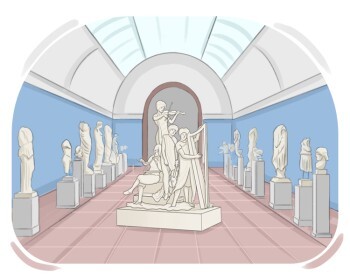
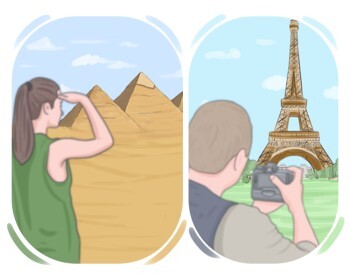
museum
museum
[Sustantivo]

a place where important cultural, artistic, historical, or scientific objects are kept and shown to the public

museo
museo

Ex: I visited the museum to learn about ancient civilizations. 
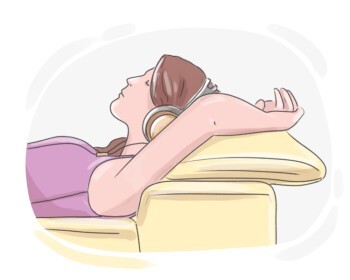
to relax
to relax
[Verbo]

to feel less worried or stressed

descansar
descansar

Ex: On Sundays, I usually relax and do nothing. 
to visit
to visit
[Verbo]

to go somewhere for a short time, especially to see something

visitar

visitar

Ex: The tourists visited the zoo to see exotic animals from around the world. 
tourist
tourist
[Sustantivo]

someone who visits a place or travels to different places for pleasure

turista

turista

Ex: She worked as a tour guide, assisting tourists in understanding the history of the city. 
symbol
symbol
[Sustantivo]

something that represents an idea, quality, or concept beyond its literal meaning

símbolo, emblema
símbolo, emblema

Ex: The old bridge remains a symbol of unity between the two towns. 
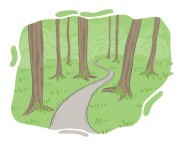
path
path
[Sustantivo]

a way or track that is built or made by people walking over the same ground

camino
camino

Ex: She walked along the path every morning. 
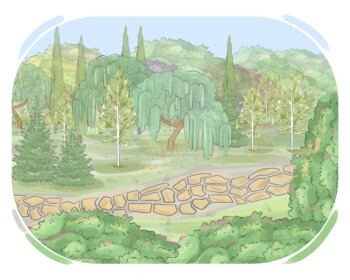
garden
garden
[Sustantivo]

a piece of land where flowers, trees, and other plants are grown

jardín

jardín

Ex: She enjoys sharing the fruits of her garden with neighbors and friends. 
landmark
landmark
[Sustantivo]

a structure or a place that is historically important

monumento

monumento

Ex: Visitors flock to the Acropolis in Athens to admire the ancient temples and absorb its historical significance. 

Los visitantes acuden en masa al Acrópolis en Atenas para admirar los templos antiguos y absorber su significado histórico.
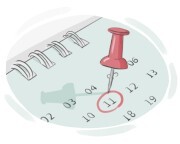
to remind
to remind
[Verbo]

to make a person remember an obligation, task, etc. so that they do not forget to do it

recordar

recordar

Ex: Last week, she reminded the team about the important client meeting. 
spirit
spirit
[Sustantivo]

a person's emotional state, especially relating to pleasure, morale, or dejection

ánimo, estado de ánimo

ánimo, estado de ánimo

Ex: The surprise party lifted everyone's spirits. 
adventure
adventure
[Sustantivo]

an unusual, exciting, or potentially dangerous experience or activity

aventura
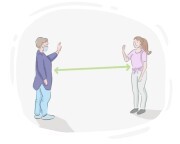
aventura

Ex: The children went on an adventure through the woods behind their house. 
distance
distance
[Sustantivo]

the length of the space that is between two places or points

distancia
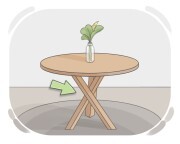
distancia

Ex: The marathon runner trained to improve her endurance and cover longer distances. 
leg
leg
[Sustantivo]

the vertical supports that are attached to the seat or base of a piece of furniture, such as a chair or table, and provide stability and support

pata, pie
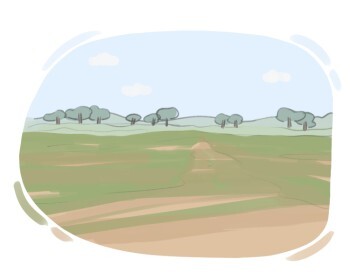
pata, pie

Ex: She tightened a loose screw in the desk leg. 
ground
ground
[Sustantivo]

the surface layer of earth that is solid and people walk on

suelo

suelo

Ex: The children played soccer on the grassy ground. 
to stand up to

to endure harsh conditions without being significantly damaged

resistir a, aguantar

resistir a, aguantar

Ex: The house was built to stand up to extreme weather conditions. 

La casa fue construida para resistir condiciones climáticas extremas.
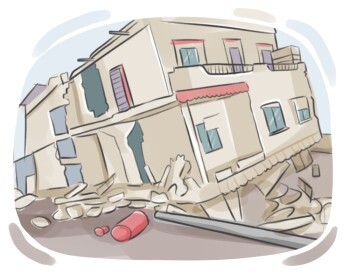
earthquake
earthquake
[Sustantivo]

the sudden movement and shaking of the earth's surface, usually causing damage

terremoto

terremoto

Ex: The earthquake triggered a tsunami warning. 

El terremoto provocó una alerta de tsunami.

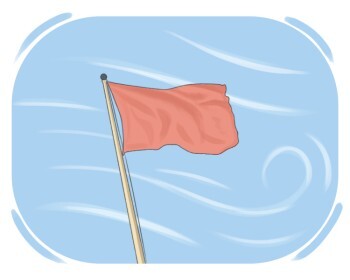
strong
strong
[Adjetivo]

(of wind, tide, or waves) having great power or force

fuerte, potente
fuerte, potente

Ex: They couldn't surf because the waves were too strong. 
wind
wind
[Sustantivo]

air that moves quickly or strongly in a current as a result of natural forces

viento

viento

Ex: She tied her hair back because of the strong wind. 
LanGeek
Descargar la aplicación LanGeek