pattern

Vocabulario de Plazas Famosas Clave - Plaza de Mayo

Revisión

Tarjetas de memoria

formas

Ortografía

Cuestionario

Empezar a aprender
Key Famous Squares Vocabulary
famous
famous
[Adjetivo]

known by a lot of people

famoso, célebre

famoso, célebre

Ex: Tourists flock to the city to visit famous landmarks such as the Eiffel Tower. 

Los turistas acuden en masa a la ciudad para visitar monumentos famosos como la Torre Eiffel.
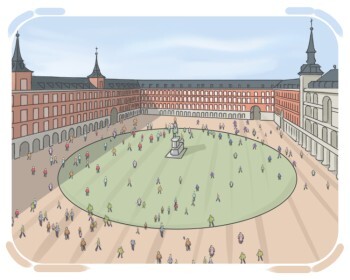
square
square
[Sustantivo]

an open piece of land in a city or town that is four-sided and is usually surrounded by buildings

plaza
plaza

Ex: The historical square was surrounded by charming cafes and shops, attracting tourists from afar. 
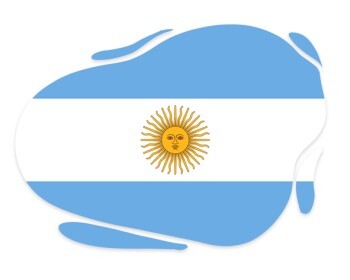
Argentina
Argentina
[Sustantivo]

a country in southern South America, bordered by Chile, Bolivia, Paraguay, Brazil, Uruguay, and the South Atlantic Ocean

Argentina
Argentina

Ex: Argentina shares a long western border with Chile. 
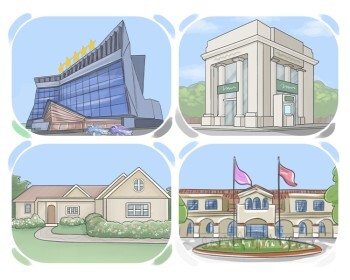
building
building
[Sustantivo]

a structure that has walls, a roof, and sometimes many levels, like an apartment, house, school, etc.

edificio, construcción
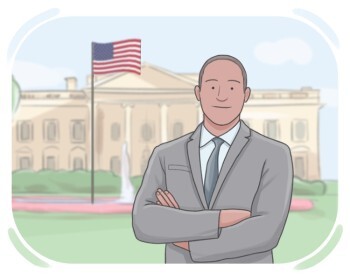
edificio, construcción

Ex: The school building has a playground for the students. 
president
president
[Sustantivo]

the leader of a country that has no king or queen

presidente

presidente

Ex: The president signed the new legislation into law. 
office
office
[Sustantivo]

a designated room where an individual typically works, often at a desk, to carry out their professional tasks and responsibilities

oficina, despacho
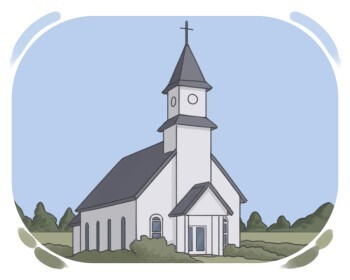
oficina, despacho

Ex: She prefers working in her office because it's quieter than the open workspace. 
church
church
[Sustantivo]

a building where Christians go to worship and practice their religion

iglesia
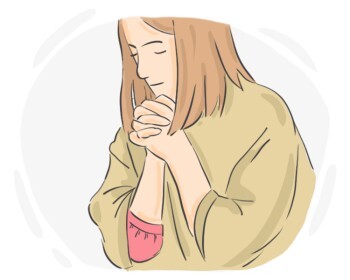
iglesia

Ex: They celebrated Easter at the church, singing hymns and participating in the religious ceremony. 
to pray
to pray
[Verbo]

to address God or another deity in worship, thanks, praise, or a request for help

rezar
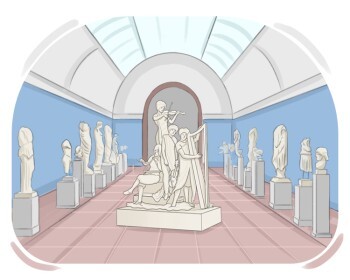
rezar

Ex: People gathered at the church to pray together. 
museum
museum
[Sustantivo]

a place where important cultural, artistic, historical, or scientific objects are kept and shown to the public

museo
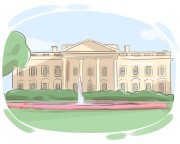
museo

Ex: I visited the museum to learn about ancient civilizations. 
government
government
[Sustantivo]

the group of politicians in control of a country or state

gobierno
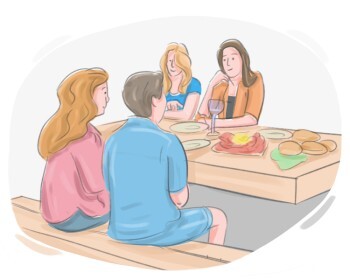
gobierno

Ex: The government is responsible for ensuring that laws are followed and citizens' rights are protected. 
to meet
to meet
[Verbo]

to come together as previously scheduled for social interaction or a prearranged purpose

encontrarse, reunirse

encontrarse, reunirse

Ex: We should meet at the theater before the movie starts. 
independence
independence
[Sustantivo]

the state of being free from the control of others

independencia
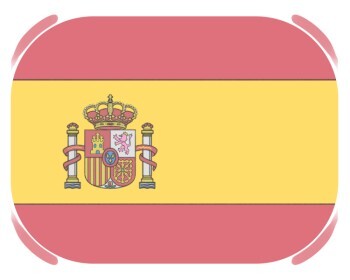
independencia

Ex: She valued her independence and preferred to make decisions on her own. 
Spain
Spain
[Sustantivo]

a country in southwest Europe

España

España

Ex: Real Madrid and FC Barcelona are two popular football teams from Spain. 
moment
moment
[Sustantivo]

a particular or exact point in time

momento

momento

Ex: The moment of truth arrived, and she had to decide. 
to celebrate

to do something special such as dancing or drinking that shows one is happy for an event

celebrar
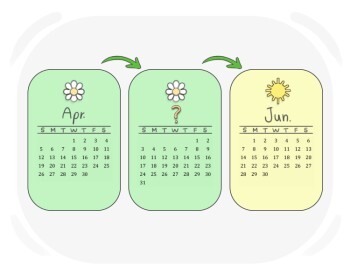
celebrar

Ex: The city is celebrating its bicentennial with a series of grand events. 
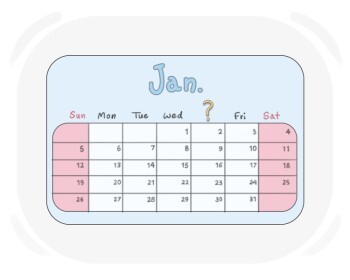
May
May
[Sustantivo]

the fifth month of the year, after April and before June

mayo
mayo

Ex: Mother's Day is celebrated in May to honor mothers. 
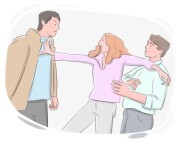
to support
to support
[Verbo]

to provide someone or something with encouragement or help

apoyar
apoyar

Ex: The government launched new programs to support small businesses during the economic downturn. 
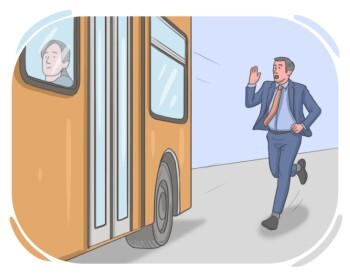
to lose
to lose
[Verbo]

to be deprived of or stop having someone or something

perder
perder

Ex: She began to lose interest in the project as it became more complicated. 
Thursday
Thursday
[Sustantivo]

the day that comes after Wednesday

jueves

jueves

Ex: Thursday is almost the weekend. 
to wear
to wear
[Verbo]

to have something such as clothes, shoes, etc. on your body

llevar
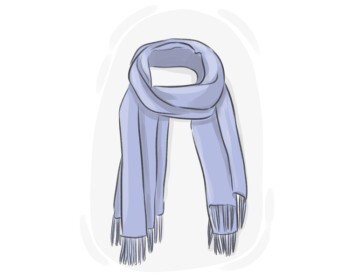
llevar

Ex: The students were instructed to wear their school uniforms every day. 
scarf
scarf
[Sustantivo]

a piece of cloth, often worn around the neck or head, which can be shaped in a square, rectangular, or triangular form

bufanda

bufanda

Ex: They gave each guest a warm scarf as a souvenir from the snowy mountain resort. 

Le dieron a cada invitado una bufanda cálida como recuerdo del resort de montaña nevada.
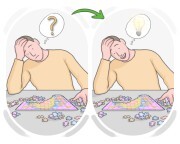
to find out

to get information about something after actively trying to do so

averiguar, obtener información investigando

averiguar, obtener información investigando

Ex: We will find out the results of the test after it's graded. 

Vamos a averiguar los resultados de la prueba después de que sea calificada.

circle
circle
[Sustantivo]

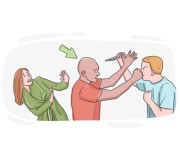
movement once around a course

vuelta, circuito
vuelta, circuito

Ex: The bird made several circles above the trees. 
brave
brave
[Adjetivo]

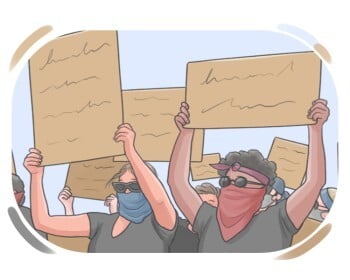
having or showing courage when facing danger, difficulty, or pain

valiente, valeroso
valiente, valeroso

Ex: Daniel tried to stay brave while waiting for the test results. 
to protest
to protest
[Verbo]

to show disagreement by taking action or expressing it verbally, particularly in public

protestar

protestar

Ex: Activists peacefully marched to protest racial injustice and advocate for equality. 
to come together

(of people) to form a united group

reunirse

reunirse

Ex: People from all walks of life came together in the park to celebrate the festival. 

Personas de todos los ámbitos de la vida se reunieron en el parque para celebrar el festival.

busy
busy
[Adjetivo]

(of a place) full of activity or people

ocupado

ocupado

Ex: The café was busy, with people chatting and working on their laptops. 
quiet
quiet
[Adjetivo]

with little or no noise

silencioso, tranquilo

silencioso, tranquilo

Ex: The quiet street was a welcome change from the bustling city. 
peaceful
peaceful
[Adjetivo]

free from conflict, violence, or disorder

pacífico

pacífico

Ex: Scientists made important breakthroughs during productive seasons of peaceful exploration, unhindered by conflicts at home. 

Los científicos lograron avances importantes durante las temporadas productivas de exploración pacífica, sin obstáculos por conflictos en casa.
pigeon
pigeon
[Sustantivo]

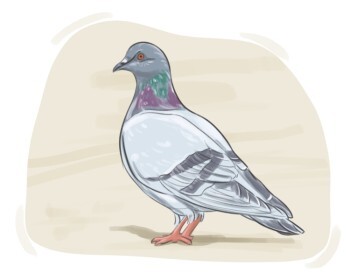
a bird with short legs and a short beak which typically has gray and white feathers

paloma

paloma

Ex: Pigeons gather in large flocks in city squares and parks, where they forage for food and roost in trees and on buildings. 

Las palomas se reúnen en grandes bandadas en las plazas y parques de la ciudad, donde buscan alimento y se posan en los árboles y edificios.
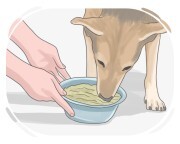
to feed
to feed
[Verbo]

to give food to a person or an animal

alimentar a, dar de comer a
alimentar a, dar de comer a

Ex: Please remember to feed the fish while I'm away on vacation. 
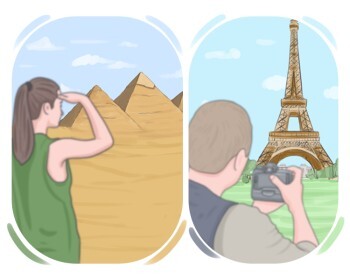
to visit
to visit
[Verbo]

to go somewhere for a short time, especially to see something

visitar
visitar

Ex: The tourists visited the zoo to see exotic animals from around the world. 
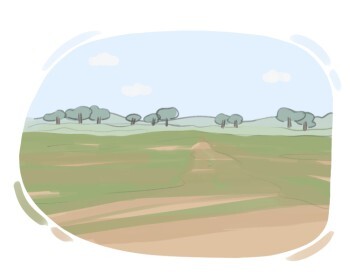
ground
ground
[Sustantivo]

the surface layer of earth that is solid and people walk on

suelo

suelo

Ex: The children played soccer on the grassy ground. 
LanGeek
Descargar la aplicación LanGeek