
Vocabulario del Transporte Marítimo - Submarino
Revisión
Tarjetas de memoria
Ortografía
Cuestionario

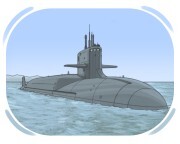
a warship that can operate both on and under water

submarino
Los miembros de la tripulación a bordo del submarino se someten a un entrenamiento riguroso para operar y mantener sus sistemas avanzados.
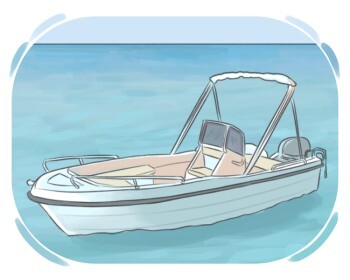
a type of small vehicle that is used to travel on water
bote

beneath the surface of a body of water
bajo el agua, submarino
El delfín desapareció bajo el agua antes de saltar con gracia al aire.
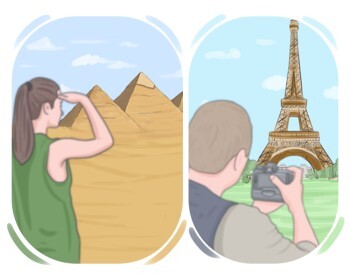
to visit places one has never seen before
explorar
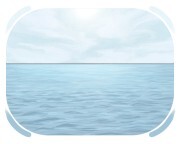
the vast body of salt water that covers most of Earth's surface
océano

the armed forces of a country
fuerzas armadas, militares

a flat part of a bicycle or machine that is pushed with the foot to make it move or operate. It is typically circular and part of the mechanism that drives motion
pedal, pedalier
Presionó el pedal con más fuerza para acelerar.
a machine that uses steam made from boiling water to produce power and make parts move
máquina de vapor, motor de vapor
La máquina de vapor cambió los viajes y el trabajo en el siglo XIX.
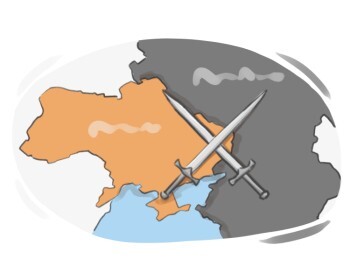
a state of armed fighting between two or more groups, nations, or states
guerra
the war that took place from the year 1914 to 1918 between the allies and the central powers
Primera Guerra Mundial
the war that took place from the year 1939 to 1945 between the axis and the allies
Segunda Guerra Mundial, II Guerra Mundial
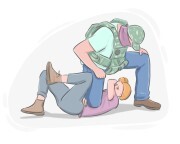
to act violently against someone or something to try to harm them
atacar
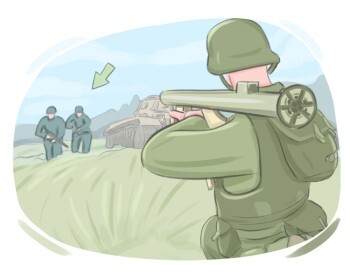
a country or its forces that one is fighting against in a war
enemigo
an internal-combustion engine that burns heavy oil
motor diésel, motor de gasóleo
a device that produces electricity; may have several primary or secondary cells arranged in parallel or series
pila eléctrica, batería eléctrica
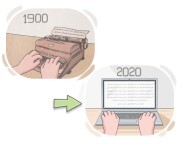
newly developed and incorporating new, modern methods or technology
avanzado
Los científicos desarrollaron métodos avanzados para rastrear los indicadores del cambio climático.
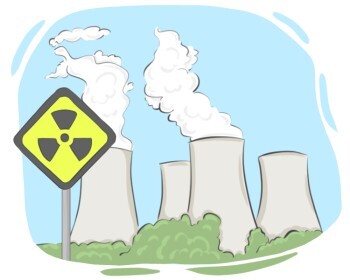
a type of energy generated by splitting atoms to release their stored energy
energía nuclear, potencia nuclear
Los científicos están investigando métodos más seguros para utilizar la energía nuclear.
to prevent someone or something from being damaged or harmed
proteger
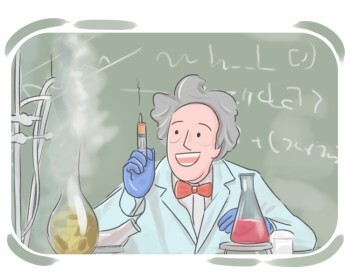
someone whose job or education is about science
científico
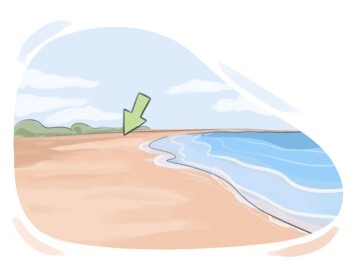
the earth's surface where it is not under water
tierra
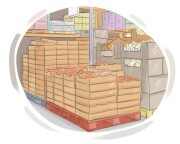
to keep something in a particular place for later use, typically in a systematic or organized manner
guardar

(plural) necessary things, such as food, medicines, clothes, etc. for a group of people
existencias
a deep, narrow, steep-sided depression on the ocean floor
fosa, zanja oceánica
Los oceanógrafos estudian la vida marina en las fosas.
| Vocabulario del Transporte Marítimo | |||
|---|---|---|---|
| Barco | Yate | Velero | Canoa |
| Kayak | Ferry | Barco | Remolcador |
| Submarino | Jet Ski | Barco Pontón | Bote de Remos |
| Barcaza | Transatlántico | Catamarán | Dinghy |
| Balsa | Góndola | Aerodeslizador | Goleta |
