
Vocabulario del Transporte Marítimo - Dinghy
Revisión
Tarjetas de memoria
formas
Ortografía
Cuestionario


a small boat made of rubber or wood that It is used for fun or to travel short distances

un bote, un dinghy
Llevó el dinghy a través de la arena hasta el agua.
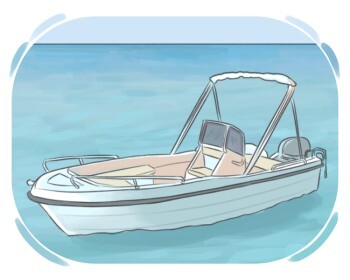
a type of small vehicle that is used to travel on water
bote
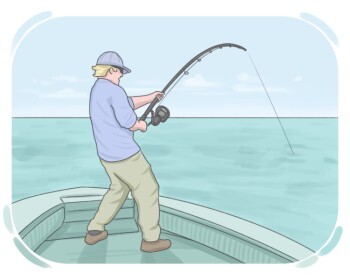
the activity of catching a fish with special equipment such as a fishing line and a hook or net
pesca
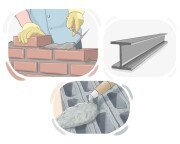
a substance from which things can be made
material
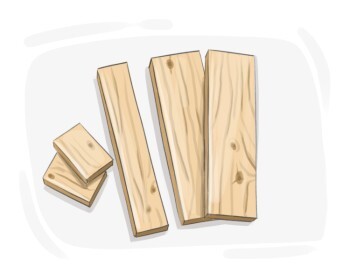
the hard material that the trunk and branches of a tree or shrub are made of, used for fuel or timber
bosque
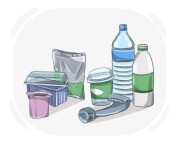
a light substance produced in a chemical process that can be formed into different shapes when heated
plástico

capable of being filled with air or gas, typically to expand in size or volume for various purposes
inflable, hinchable
El colchón inflable proporciona una superficie cómoda para dormir en viajes de camping.
a tool used by rowers to propel and steer a boat through the water
remo, paleta
Los remeros sincronizaron los movimientos de su remo para mantener la velocidad.
a long, thin object, often resembling a piece of wood, used for pointing, drawing attention, or performing specific actions
palo, varita
the part that is the most distant point of something
final, extremo
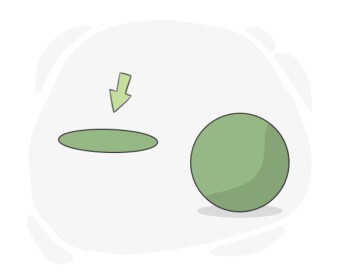
(of a surface) continuing in a straight line with no raised or low parts
plano
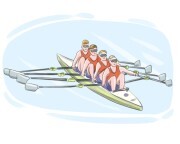
to move a boat or other watercraft through water using oars or paddles
remar, bogar
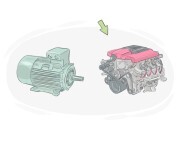
the part of a vehicle that uses a particular fuel to make the vehicle move
motor

a large sheet of fabric, typically canvas, designed to catch the wind and propel a sailing vessel forward
vela, vela mayor
to capture and harness the force of the wind, in order to generate motion or energy
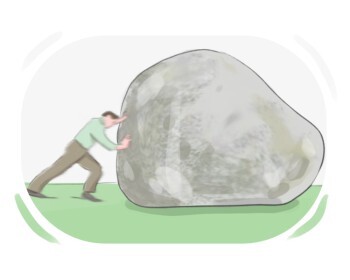
to use your hands, arms, body, etc. in order to make something or someone move forward or away from you
empujar
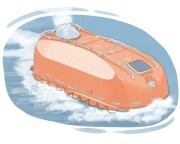
a boat used for saving people whose lives are at risk at sea
lancha de salvamento
Cada bote salvavidas del crucero está equipado con suministros de emergencia y dispositivos de comunicación.
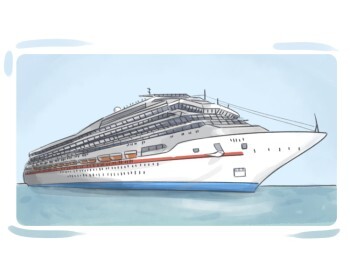
a large boat, used for carrying passengers or goods across the sea
barco, navío

to move someone or something downward or to a position closer to the ground
bajar, descender
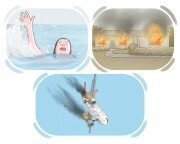
an unexpected and usually dangerous situation needing immediate attention or action
emergencia
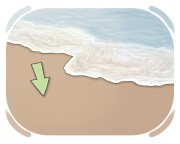
the land along the edge of a sea, lake, river, or other body of water
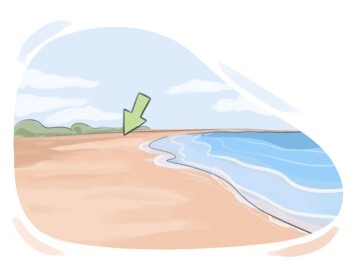
the earth's surface where it is not under water
tierra
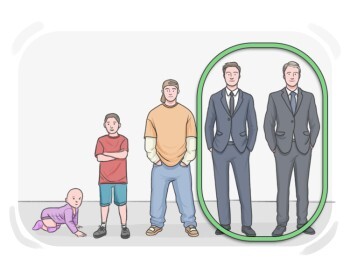
a fully grown man or woman
adulto
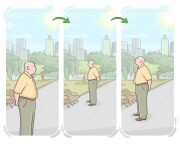
to pass time in a particular manner or in a certain place
pasar, dedicar
(of a vehicle) to behave or respond in a particular way when being driven or controlled
comportarse, responder
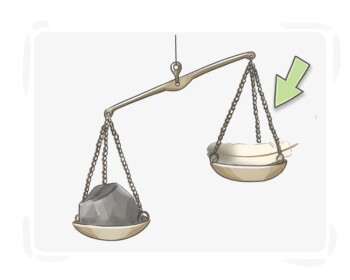
having very little weight and easy to move or pick up
ligero
to release and empty air or gas from a container, causing it to become less inflated
desinflar, vaciar el aire
El mecánico desinfló el neumático del coche antes de reparar el pinchazo.

to put something in a container or storage after using it, especially to keep it safe or for future use
guardar algo en un recipiente o lugar de almacenamiento después de usarlo, recoger cosas y guardarlas para usarlas después
Antes de mudarse, guardaron con cuidado todos los artículos frágiles.
in every part of the world
| Vocabulario del Transporte Marítimo | |||
|---|---|---|---|
| Barco | Yate | Velero | Canoa |
| Kayak | Ferry | Barco | Remolcador |
| Submarino | Jet Ski | Barco Pontón | Bote de Remos |
| Barcaza | Transatlántico | Catamarán | Dinghy |
| Balsa | Góndola | Aerodeslizador | Goleta |
