pattern

Vocabulario de Vehículos Especializados - Barrendero de Calles

Revisión

Tarjetas de memoria

formas

Ortografía

Cuestionario

Empezar a aprender
Specialized Vehicles Vocabulary
street sweeper
street sweeper
[Sustantivo]

a vehicle equipped with brushes and vacuums used to clean streets by removing dirt, leaves, and debris from the road surface

barrendero de calles, máquina barredora

barrendero de calles, máquina barredora

Ex: They scheduled the street sweeper to clear the neighborhood roads. 

Programaron el barrendero de calles para limpiar las carreteras del vecindario.
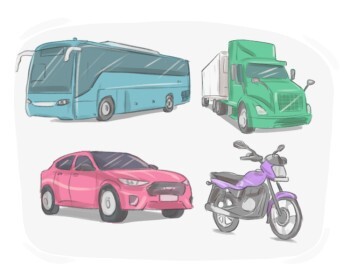
vehicle
vehicle
[Sustantivo]

a means of transportation used to carry people or goods from one place to another, typically on roads or tracks

vehículo
vehículo

Ex: You need a license to drive a vehicle. 
to clean
to clean
[Verbo]

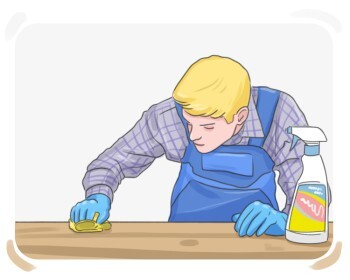
to make something have no bacteria, marks, or dirt

limpiar
limpiar

Ex: Sarah cleans the kitchen counters with a sponge. 
to pick up
to pick up
[Verbo]

to take and lift something or someone up

recoger, levantar

recoger, levantar

Ex: She picked up the newspaper from the porch in the morning. 

Ella recogió el periódico del porche por la mañana.
dirt
dirt
[Sustantivo]

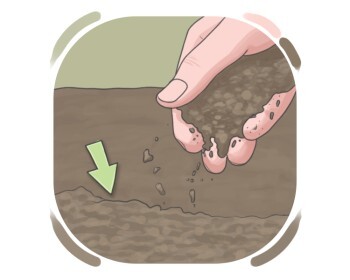
the part of the earth's surface consisting of humus and disintegrated rock

tierra, suelo

tierra, suelo

leaf
leaf
[Sustantivo]

a usually green part of a plant in which the photosynthesis takes place

hoja

hoja

Ex: She collected a few fallen leaves from the ground to use in a craft project for the fall season. 
trash
trash
[Sustantivo]

worthless, unwanted, and unneeded things that people throw away

basura, desechos

basura, desechos

Ex: He sorted the recyclables from the regular trash. 

Él clasificó los reciclables de la basura regular.

neat
neat
[Adjetivo]

tidy, carefully arranged, and in good order

ordenado, limpio

ordenado, limpio

Ex: Her handwriting is small and neat. 
tidy
tidy
[Adjetivo]

neat, clean, and arranged with everything in its proper place

Ex: Daniel left the kitchen tidy after making dinner. 
to invent
to invent
[Verbo]

to create or design something new that did not previously exist

inventar
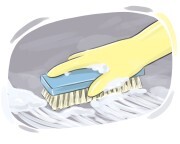
inventar

Ex: Engineers invented a new material that can withstand extreme heat. 
brush
brush
[Sustantivo]

a tool with a handle and a group of hair or thin pieces of plastic, etc. connected to it, used for cleaning

cepillo

cepillo

Ex: The maid employed a feather duster brush to remove dust from the antique furniture. 
to power
to power
[Verbo]

to supply with the needed energy to make something work

propulsar, alimentar
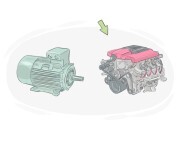
propulsar, alimentar

Ex: Wind turbines power the entire town, providing a sustainable energy source. 
engine
engine
[Sustantivo]

the part of a vehicle that uses a particular fuel to make the vehicle move

motor

motor

Ex: She studied mechanical engineering to learn how to design and build engines. 
to spin
to spin
[Verbo]

to turn around and around rapidly

girar

girar

Ex: The Earth spins on its axis once every twenty-four hours. 
to sweep
to sweep
[Verbo]

to clear away dirt, litter, or debris by using a sweeping motion, typically with a broom or similar tool

barrer, limpiar barriendo
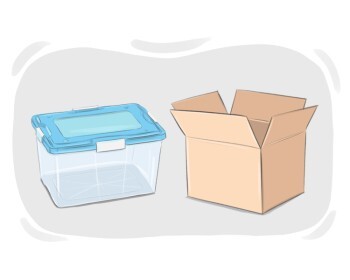
barrer, limpiar barriendo

Ex: She swept the sand away from the entrance to make it look tidy. 
container
container
[Sustantivo]

an object used for holding, storing, or carrying something

envase, recipiente
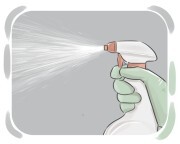
envase, recipiente

Ex: Daniel filled a large container with water. 
to spray
to spray
[Verbo]

to disperse a liquid or other substance in fine droplets or particles

rociar, pulverizar

rociar, pulverizar

Ex: The farmer sprayed pesticide across the field. 
dust
dust
[Sustantivo]

the fine, dry particles of matter, such as dirt, earth, or pollen, that can be easily carried by the wind

polvo, tierra

polvo, tierra

Ex: She sneezed as she brushed the dust off the windowsill. 
to collect
to collect
[Verbo]

to gather together things from different places or people

juntar

juntar

Ex: The scientist collected samples of soil and water from different locations for environmental analysis. 
to take away

to remove something from a particular place

llevar, quitar

llevar, quitar

Ex: The maid efficiently took away the used towels from the bathroom. 

La empleada doméstica retiró eficientemente las toallas usadas del baño.

parade
parade
[Sustantivo]

a public procession of people or vehicles held to celebrate or mark an event

Ex: The championship parade drew huge crowds downtown. 
festival
festival
[Sustantivo]

a series of performances of music, plays, movies, etc. typically taking place in the same location every year

festival

festival

Ex: The dance festival featured performances from around the world. 
market day
market day
[Sustantivo]

a specific day when people gather to buy, sell, or trade goods, often in an open area or town square

día de mercado, jornada de mercado

día de mercado, jornada de mercado

Ex: She saves her best fruits and vegetables for market day. 

Ella guarda sus mejores frutas y verduras para el día de mercado.

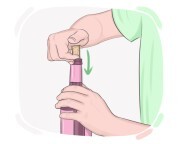
drain
drain
[Sustantivo]

a pipe or channel that carries away waste water or other liquids

desagüe
desagüe

Ex: The workers installed a new drain behind the building. 
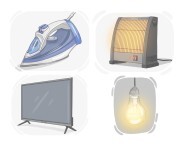
to block
to block
[Verbo]

to stop the flow or movement of something through somewhere

bloquear
bloquear

Ex: The drain was blocked by debris, causing water to overflow onto the street. 
electric
electric
[Adjetivo]

relating to, produced by, or using electricity

eléctrico, de la electricidad

eléctrico, de la electricidad

Ex: The electric mixer whirred as it blended the ingredients for the cake batter. 
quiet
quiet
[Adjetivo]

with little or no noise

silencioso, tranquilo

silencioso, tranquilo

Ex: The quiet street was a welcome change from the bustling city. 
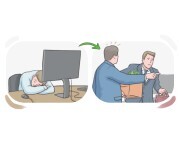
environment
environment
[Sustantivo]

the natural world around us where people, animals, and plants live

entorno, medio ambiente
entorno, medio ambiente

Ex: Pollution is a major threat to our environment. 
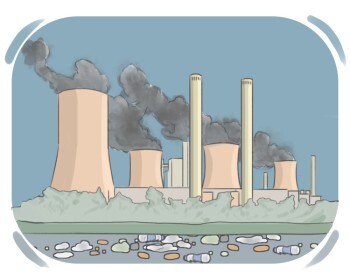
to cause
to cause
[Verbo]

to make something happen, usually something bad

causar, provocar
causar, provocar

Ex: Are you trying to cause a misunderstanding with your words? 
pollution
pollution
[Sustantivo]

a change in water, air, etc. that makes it harmful or dangerous

contaminación, polución

contaminación, polución

Ex: Due to the severe pollution, many species of birds no longer visit the area. 
LanGeek
Descargar la aplicación LanGeek
